
Guides
Can you trek Nepal alone? The 2026 rules, explained by people who live here
Solo permits for restricted areas opened up in March 2026, and a lot of people read that as the end of the guide rule. It was not. Here is what actually applies, and where you can still walk alone.
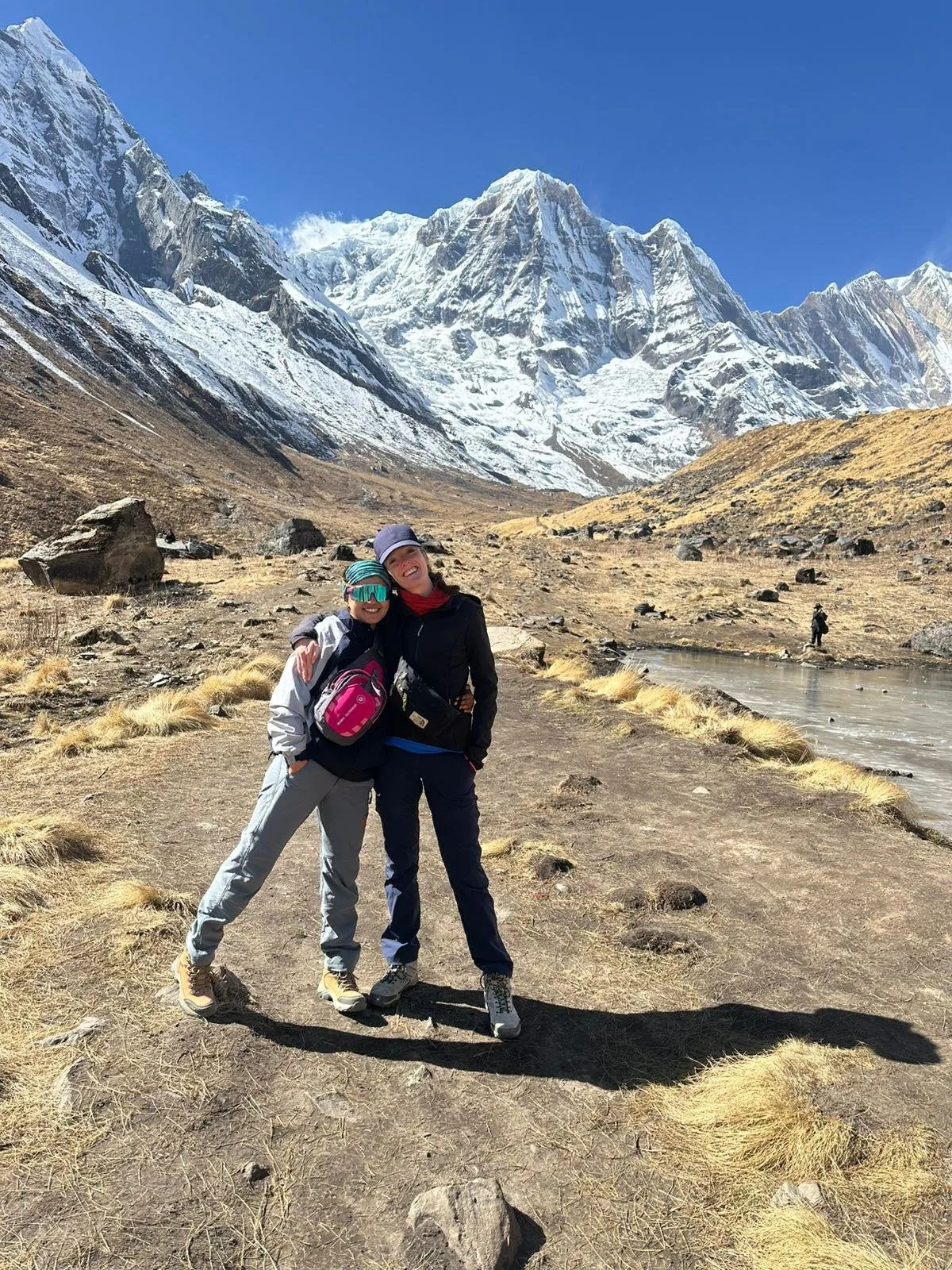
If you have been googling this, you have found three answers and no way to tell which one is current. One blog says Nepal banned solo trekking. Another says the ban was lifted in March. A third says it depends. We get this question on WhatsApp most weeks, usually from somebody who has already booked a flight, so here is the version we give them.
The short answer. For almost every trek people come to Nepal for, you need a licensed guide. That has been the rule since 1 April 2023 and it did not change in 2026. What did change in March 2026 was something much narrower, and it was reported in a way that made it sound like the opposite.
The rule, in one paragraph
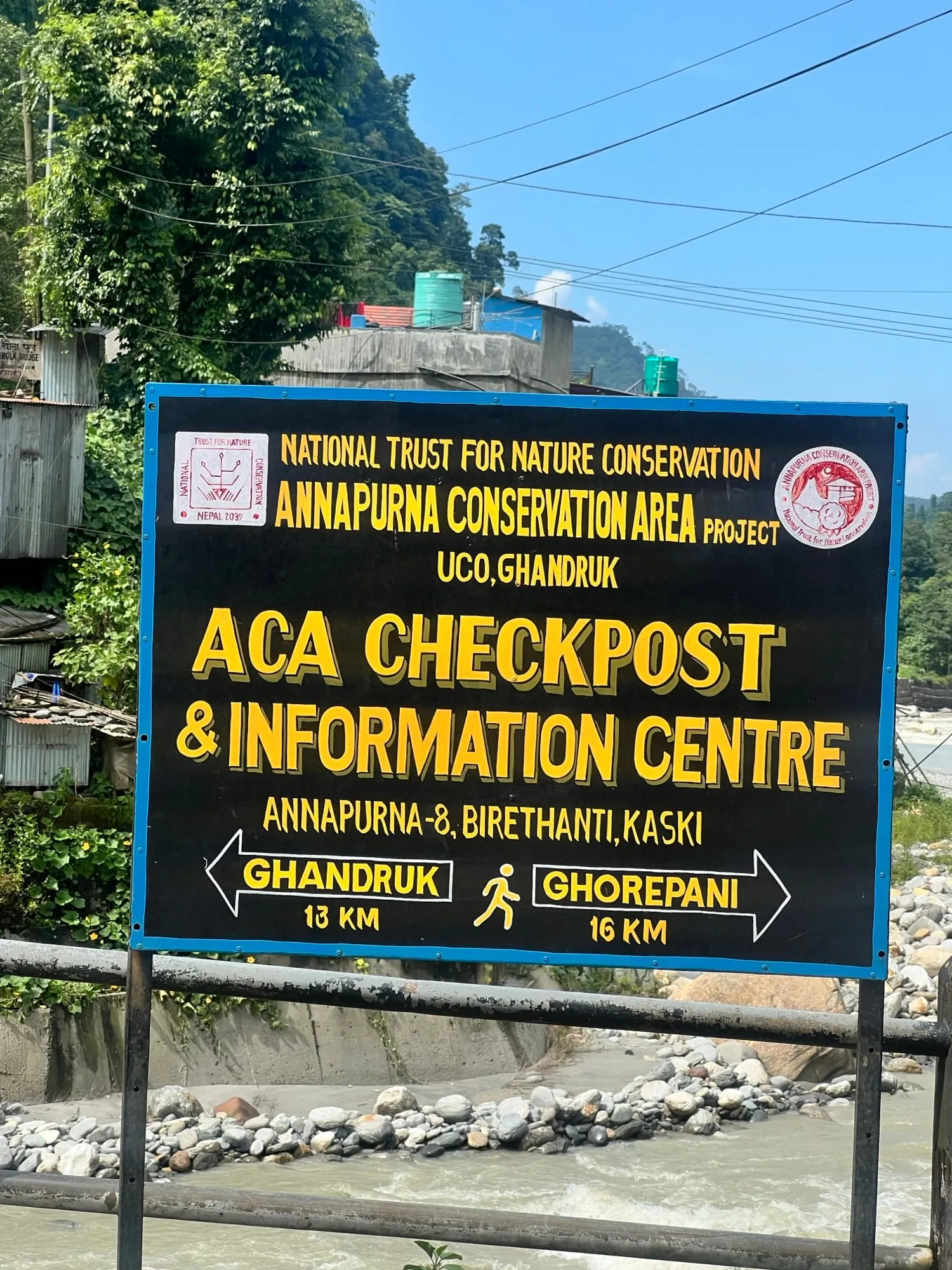
Foreign trekkers entering a national park, a conservation area or a restricted area must walk with a licensed Nepali guide, hired through a government-registered agency, and carry an agency-issued TIMS card. The Nepal Tourism Board revised the TIMS provision to this effect from 1 April 2023, and enforcement started at the end of that May.
The category language is doing a lot of work there, so to be concrete: the Annapurna Circuit and Annapurna Base Camp sit inside the Annapurna Conservation Area. Everest Base Camp and Gokyo sit inside Sagarmatha National Park. Langtang sits inside Langtang National Park. Those are the trips most people mean when they say trekking in Nepal, and every one of them needs a guide.
What actually changed in March 2026
Restricted areas are a separate system again, run by the Department of Immigration rather than the Tourism Board. Manaslu, Tsum Valley, Upper Mustang, Upper Dolpo, Nar Phu and Kanchenjunga are the ones most people have heard of.
Until this year a restricted-area permit carried a minimum group size of two. If you were travelling alone you had to find a stranger to put on your permit, or pay for a second person who did not exist, which is exactly as silly as it sounds. From 22 March 2026 one traveller can apply alone.
That is the change. The guide is still mandatory, the registered agency is still mandatory, and one guide may lead no more than seven trekkers.
So when a headline says solo trekking is now allowed in restricted areas, what it means is that you can hold the permit by yourself. It does not mean you can walk into Upper Mustang on your own. The odd part is that the one word that got easier is “solo”, in the one set of places where you are least likely to ever be alone.
Where you can genuinely walk by yourself
Outside the protected areas, nothing stops you. Day walks around Pokhara, Sarangkot and the ridges above Phewa Lake. Nagarkot and Dhulikhel out beyond Kathmandu. These are good days and nobody is going to ask you for a card.
The line is the park boundary, not the altitude and not the difficulty. A short walk that crosses into a conservation area is covered; a long hard day that stays outside one is not. If you cannot tell which side of that line your route falls on, ask before you pay for anything non-refundable.
Honestly, why we would still take a guide
This is where we stop reporting and start arguing, so weigh it accordingly. We are a trekking company. This is the part where we sell you something.
A guide is not there to find the path. On the Annapurna Circuit the path is obvious and you could follow it on your phone. What a guide does is everything else. They notice you have gone quiet at dinner and ask how your head feels, which is the altitude conversation happening two days before it becomes an emergency. They know which teahouse still has beds when the first three are full. They talk to the family running it in Nepali, and you are treated differently, and you are told things you would not otherwise be told.
Travellers tell us afterwards that they cannot imagine having done the trip without one. We hear it often enough that it is worth saying plainly rather than dressing up.
Two things we will not pretend. A guide does not make a mountain safe. And a licence by itself guarantees nothing, which is why the questions below are about the particular person walking with you rather than about the company’s website.
If what you wanted from solo trekking was quiet rather than paperwork, say so when you book. A private trek with one guide is a quiet walk. You set the pace between you, you stop where you want, and you are not roped to fourteen strangers and a flag. Most of our trekkers ask for some version of this and nobody here finds it a strange request.
What to ask before you pay anybody
- The agency’s government registration number, and your guide’s licence number. Not the company’s brochure. The guide’s licence.
- Which permits are inside the price and which ones you are buying yourself at the counter.
- For a restricted area, how they are handling the single-traveller permit, since it is new this year and not everyone has done one yet.
- What happens if you get ill or the weather closes the pass, and specifically who pays for the extra days.
- Whether the guide has walked your route, in your season.
If the rules change again
They might. This one has moved twice in three years, and the Khumbu municipality has gone its own way more than once. We update this page when something changes, and the date at the bottom is the last time somebody checked it properly.
If you are not sure what applies to your route, message us. We will tell you what we know even if you are booking with somebody else, because the alternative is you finding out at the checkpost in Dharapani.
Last checked 1 October 2026.