
Female Guided Treks
Supporting local community
Sustainable Tourism
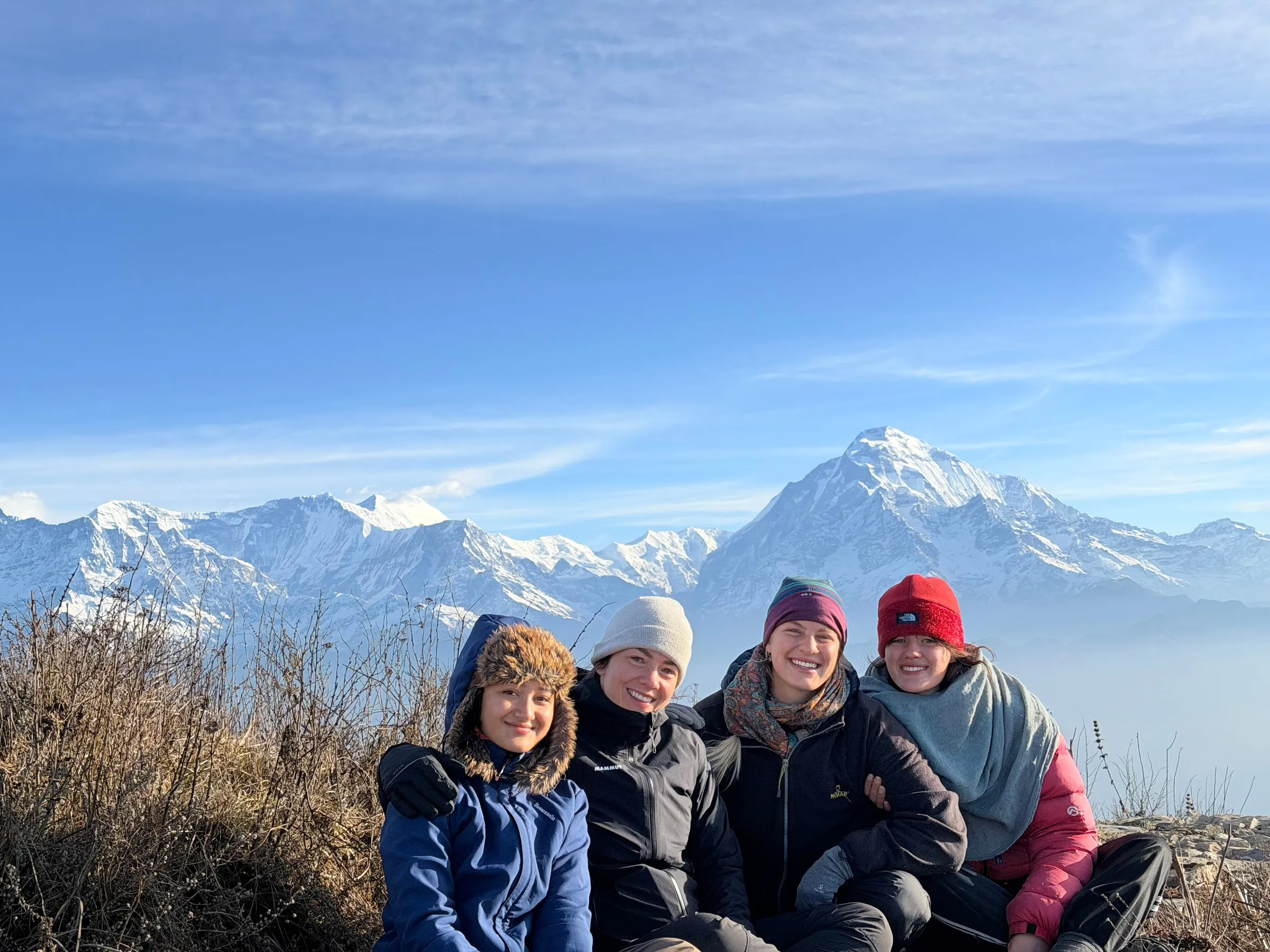
Join us for a private trek with a female guide or one of our small group departures.
Travel by season
Where to go in Nepal

Upcoming group treks
Trek with Purpose
People, not just places
We are a community of explorers, of wanderers, of the curious.
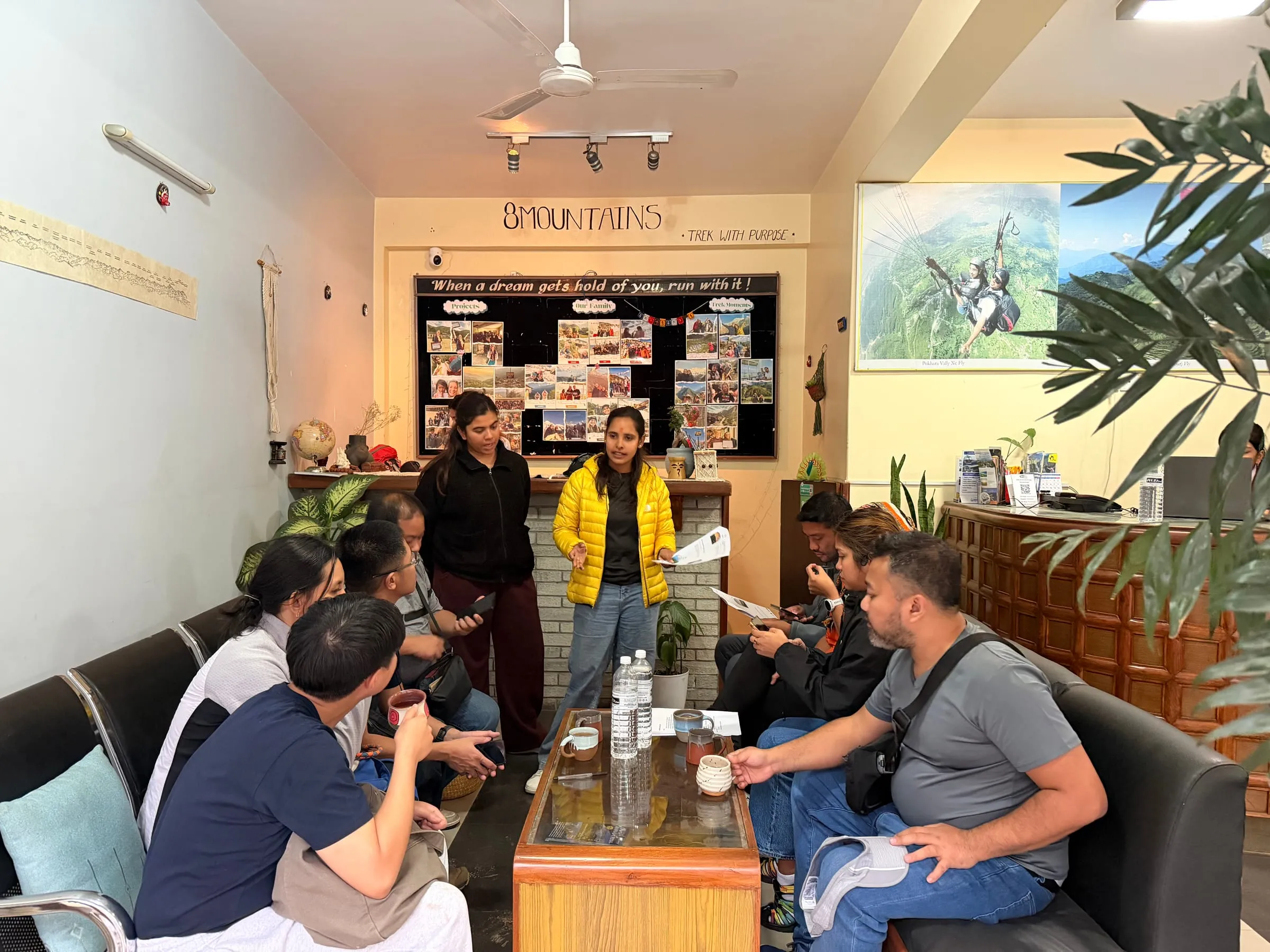
We are a group of determined Nepali female guides with a passion for giving and sharing the knowledge of the mountains. What started six years ago as an idea has grown into a vibrant community, connecting travellers, female guides and local people through meaningful journeys across Nepal.
People
Stories from our guides
Explore Our Treks
Warning: You may fall in love with
more than one trail
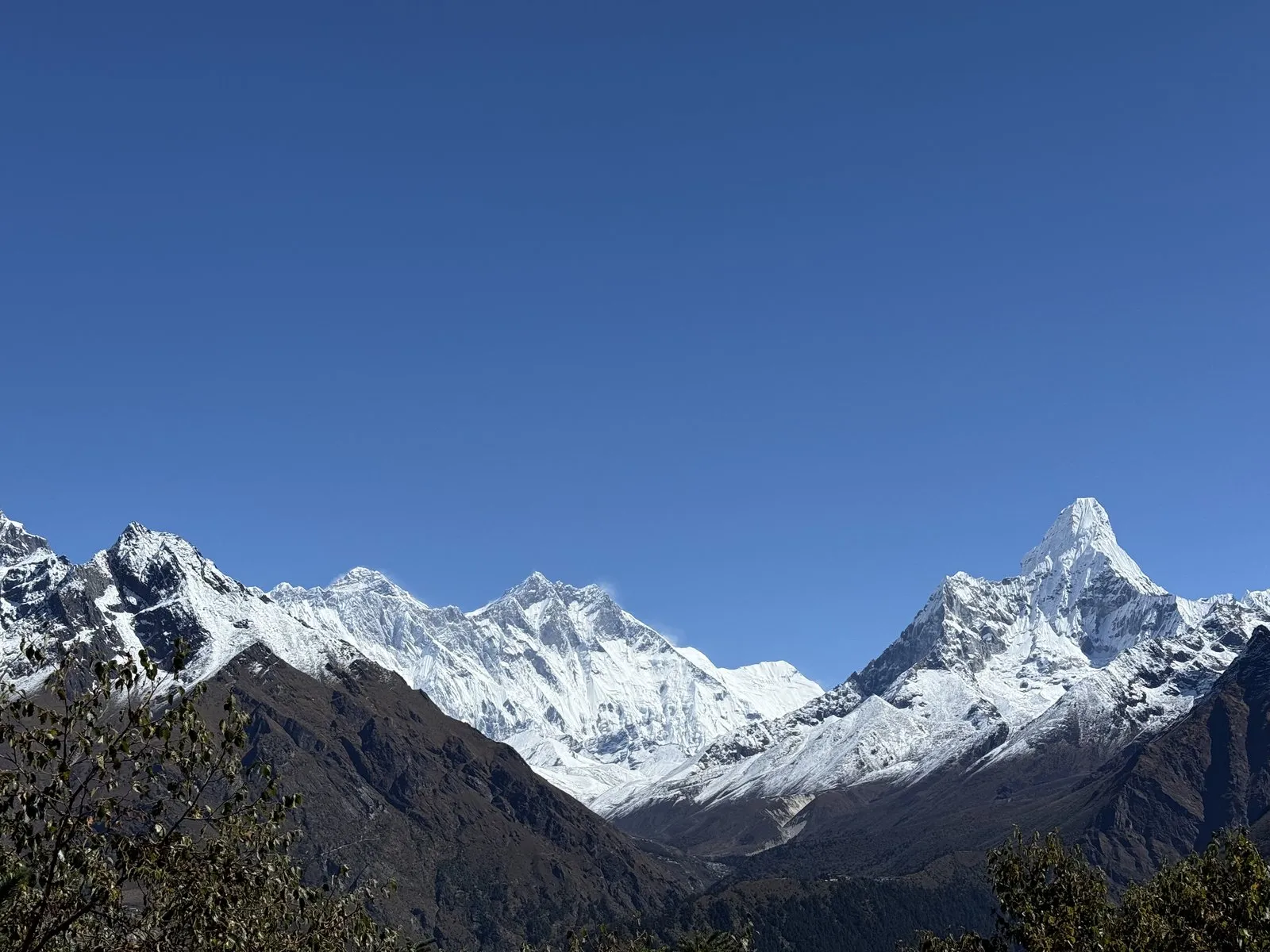
Everest, Khumbu
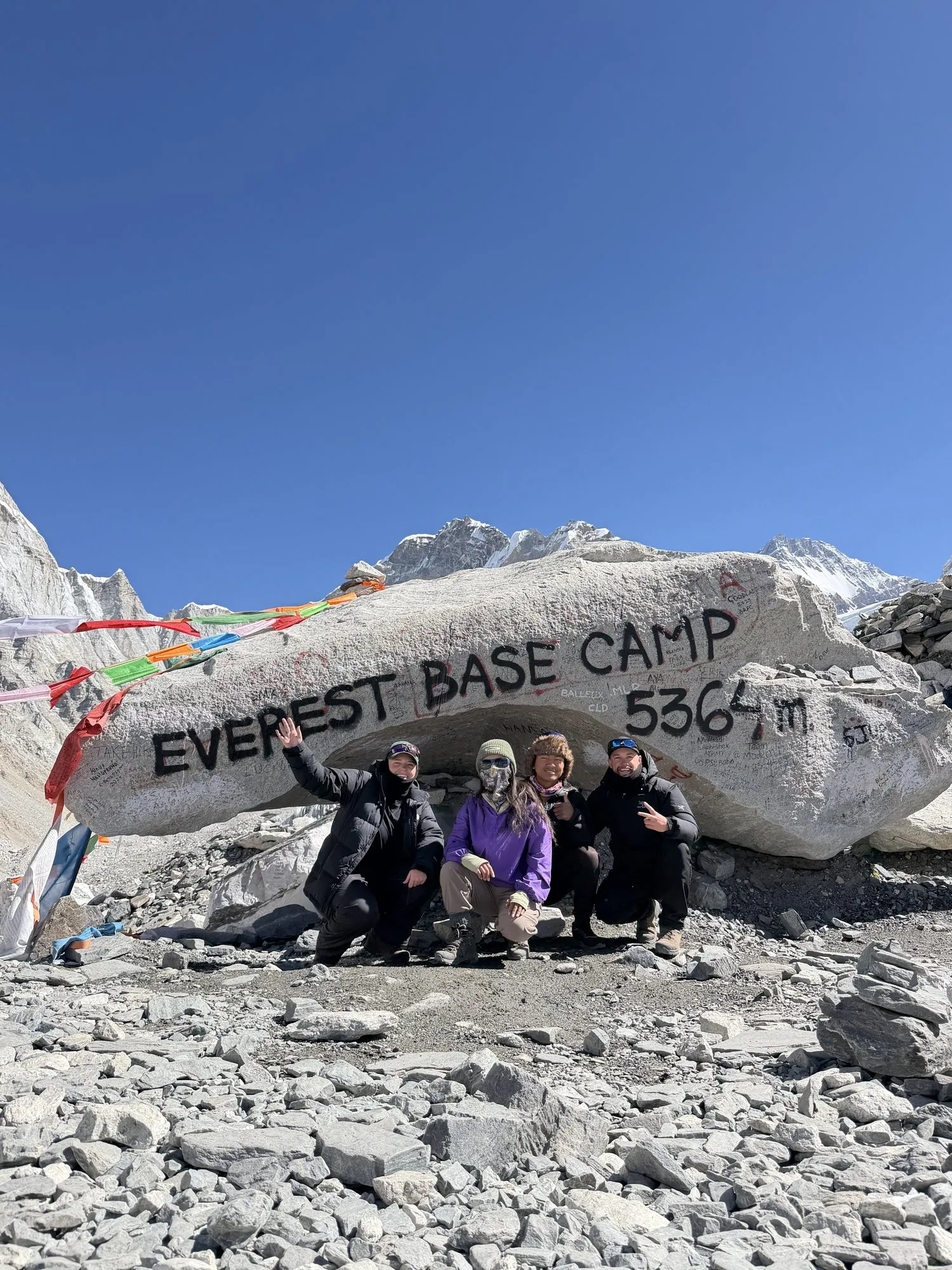
Everest Base Camp
Twelve days through Sherpa country to the foot of the Khumbu Icefall at 5,364 m, with two acclimatisation days built in because they are the part that matters.
- Days
- 12
- Max
- 5,364m
- Difficulty
Challenging
From €1,000 per person
Annapurna, Western Nepal
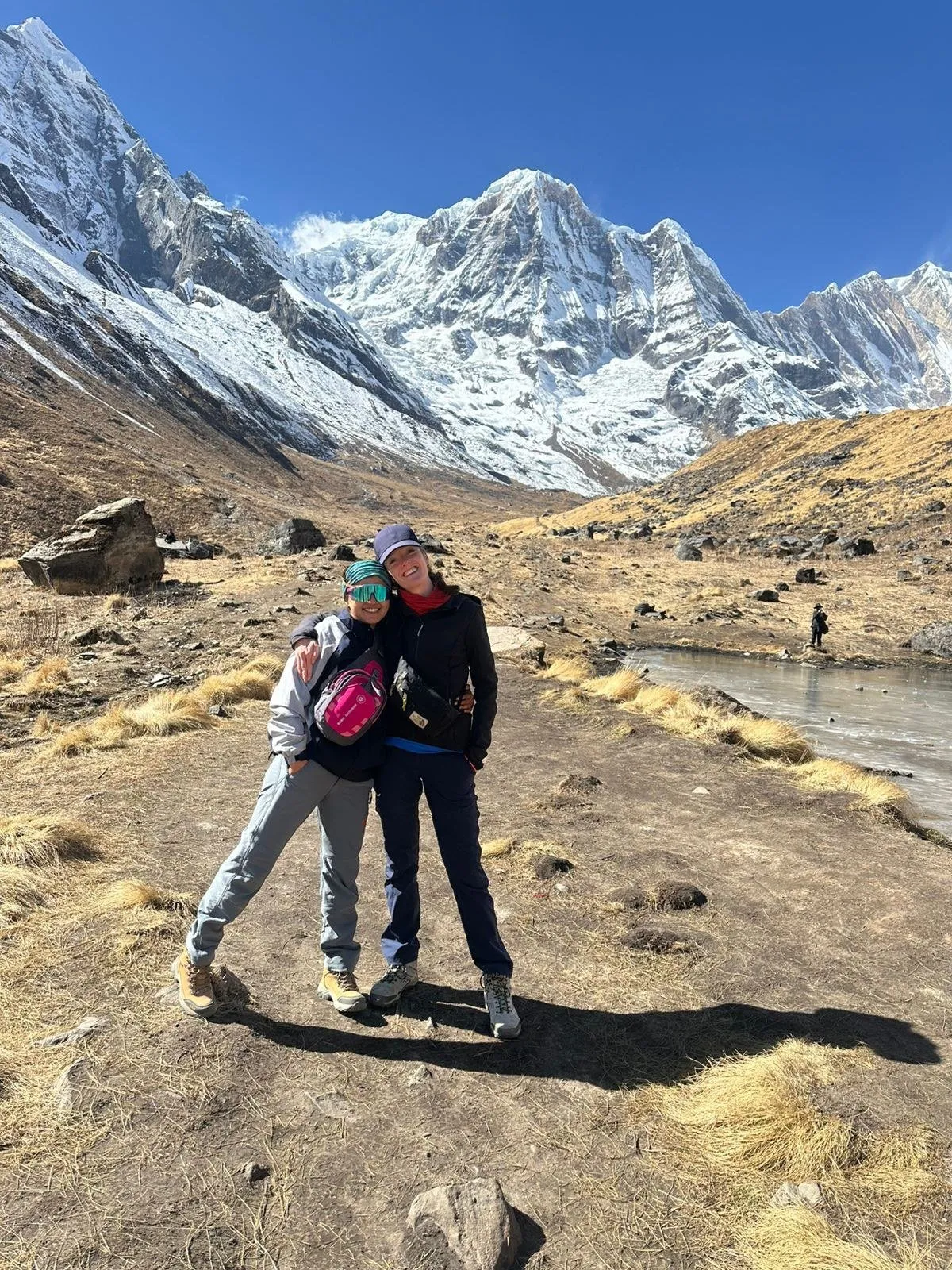
Annapurna Base Camp
Eight days that end inside a natural amphitheatre at 4,130 m, with Annapurna I, Machhapuchhre, Hiunchuli and Gangapurna standing all the way round you.
- Days
- 8
- Max
- 4,130m
- Difficulty
Moderate
From €600 per person
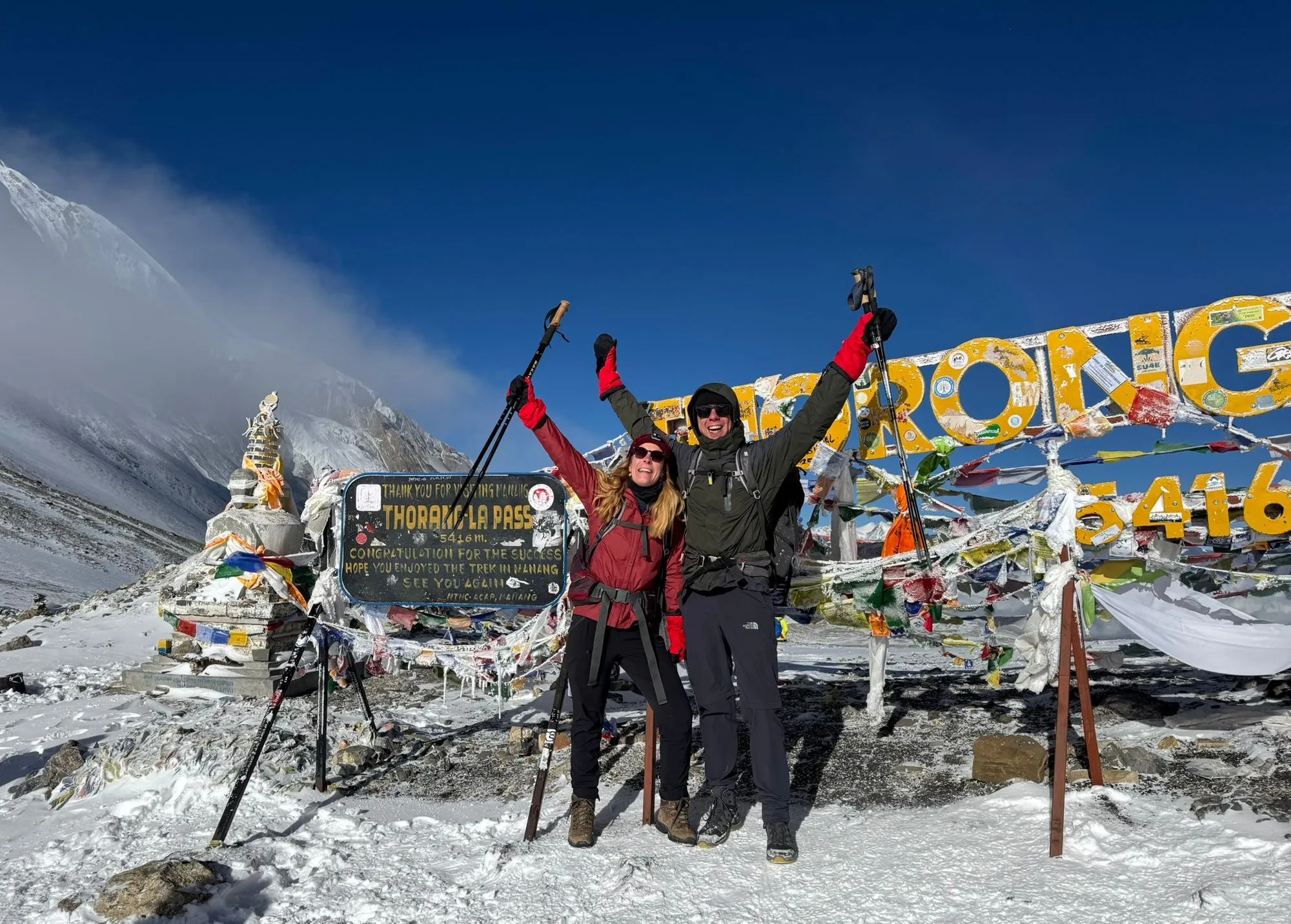
Group departure on Wed 4 November 2026
Annapurna, Western Nepal
Annapurna Circuit
Eleven days from subtropical valley to the Thorong La at 5,416 m, then down into the dry, wind-carved Mustang side. Often called a world in miniature, and it earns it.
- Days
- 11
- Max
- 5,416m
- Difficulty
Challenging
From €800 per person
Group departure on Thu 5 November 2026
Manaslu, Central Nepal
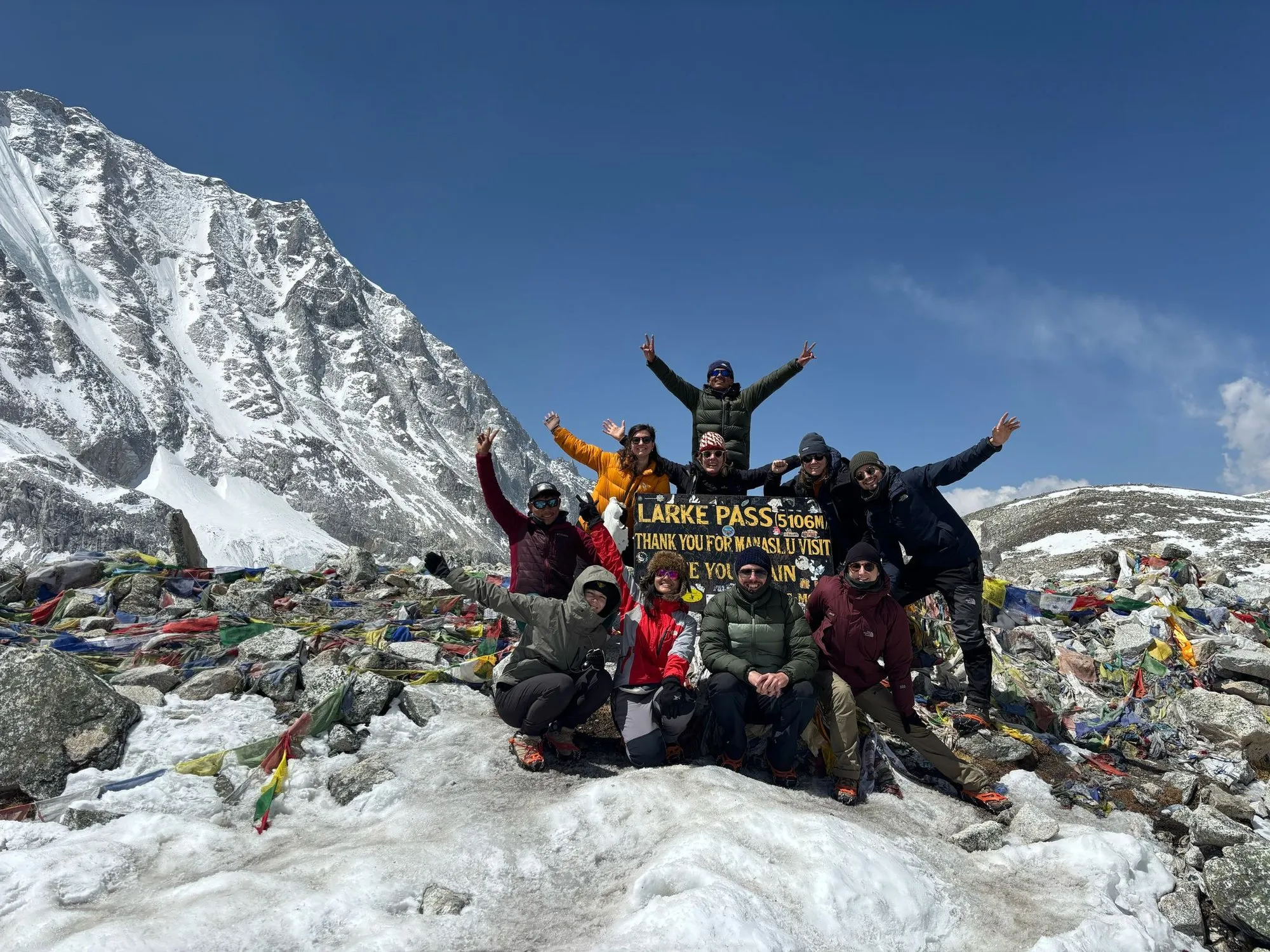
Manaslu Circuit
Twelve days around the eighth-highest mountain on earth, through Tibetan Buddhist villages to the Larkya La at 5,106 m. Far fewer people than the Annapurnas.
- Days
- 12
- Max
- 5,106m
- Difficulty
Strenuous
From €1,000 per person
Langtang, Rasuwa
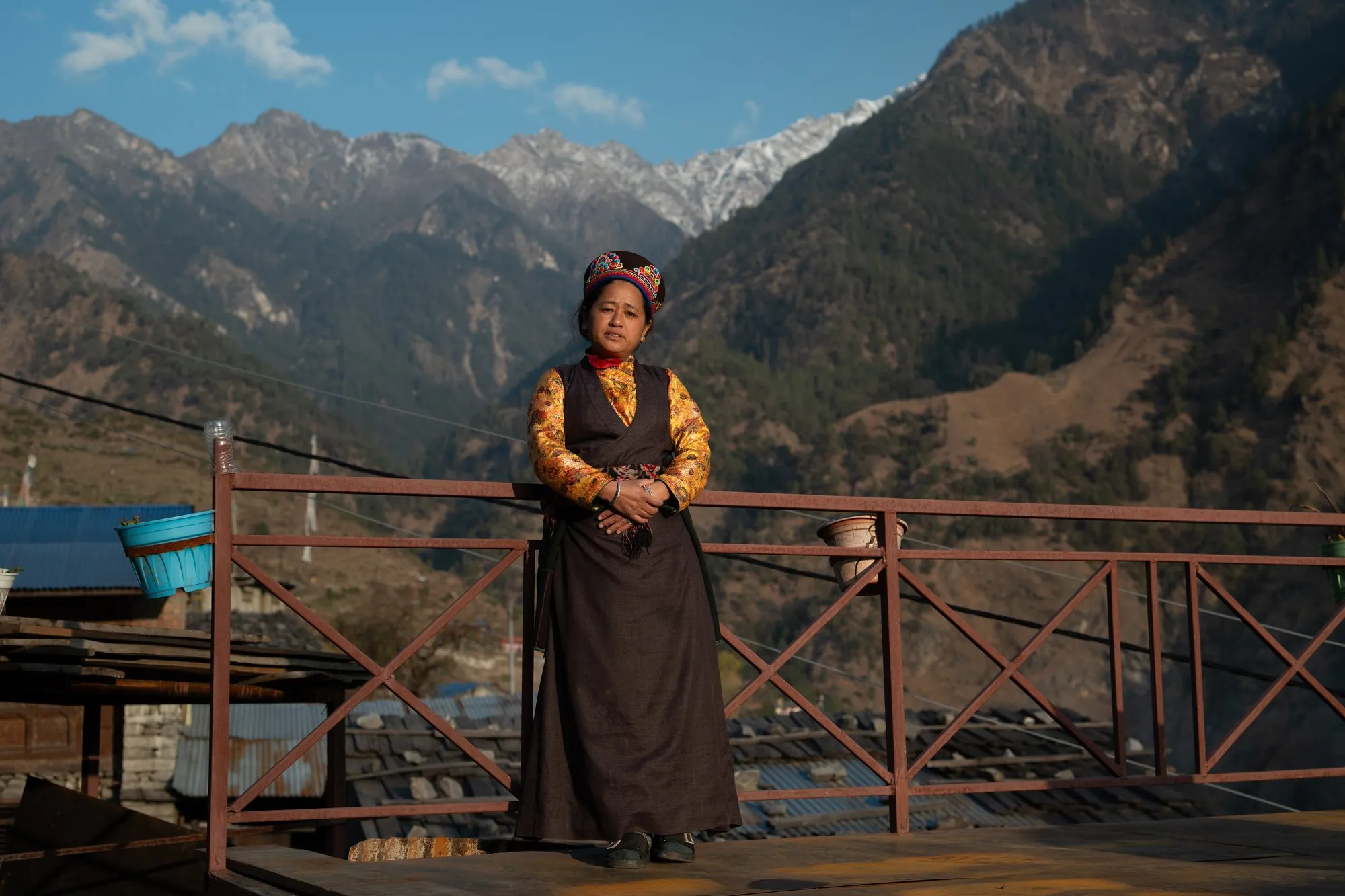
Langtang Valley
Seven days into the valley the yaks found first, rhododendron forest, a rebuilt village, a cheese factory at 3,870 m, and a sunrise from Kyanjin Ri.
- Days
- 7
- Max
- 4,773m
- Difficulty
Moderate
From €500 per person
Annapurna, Western Nepal
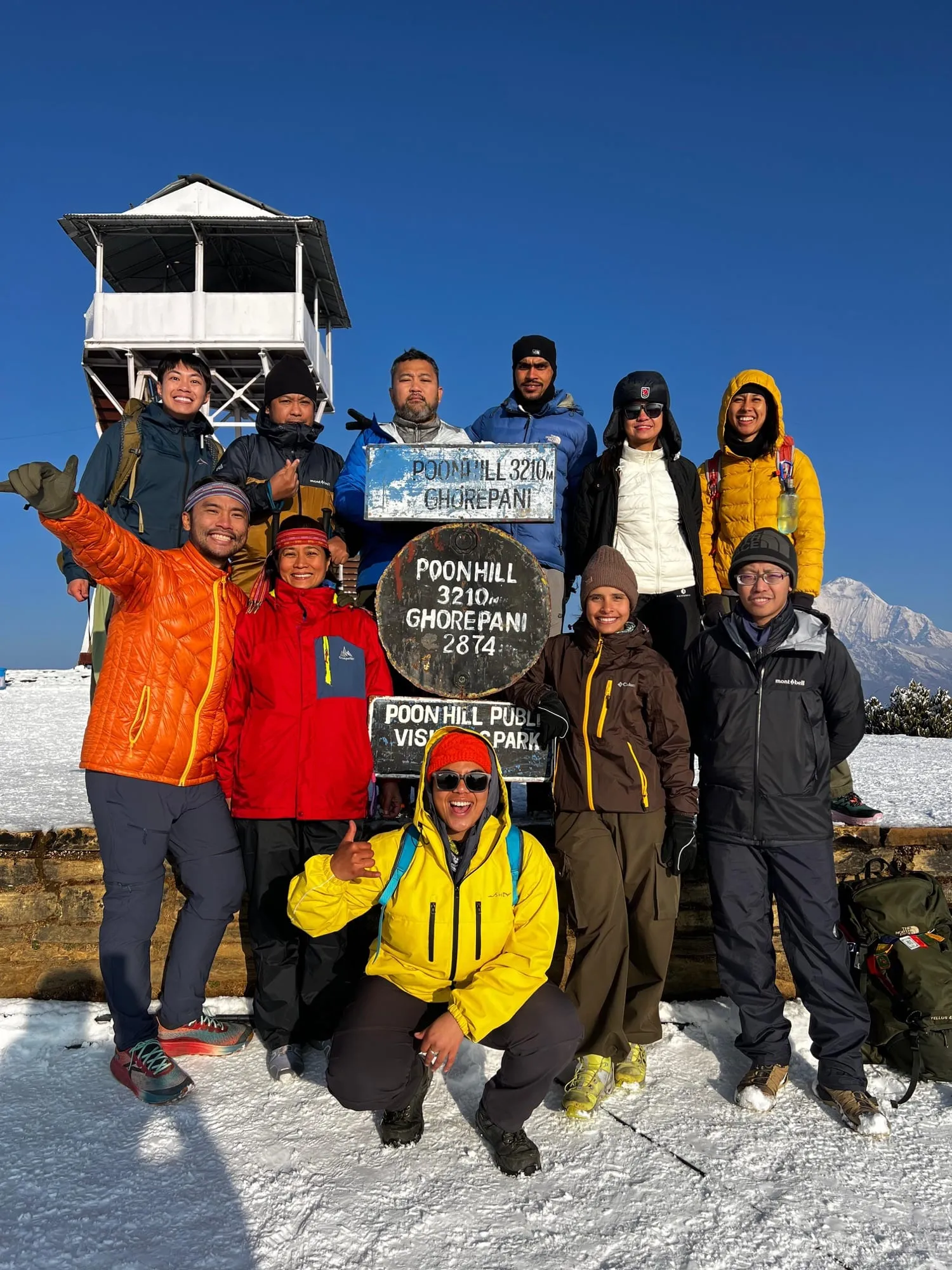
Ghorepani Poon Hill
Four days to the best-known sunrise in Nepal, over Annapurna and Dhaulagiri at once. Gurung and Magar villages, rhododendron forest, and no altitude to speak of.
- Days
- 4
- Max
- 3,210m
- Difficulty
Easy
From €280 per person
Group departure on Sat 7 November 2026
Annapurna, Western Nepal
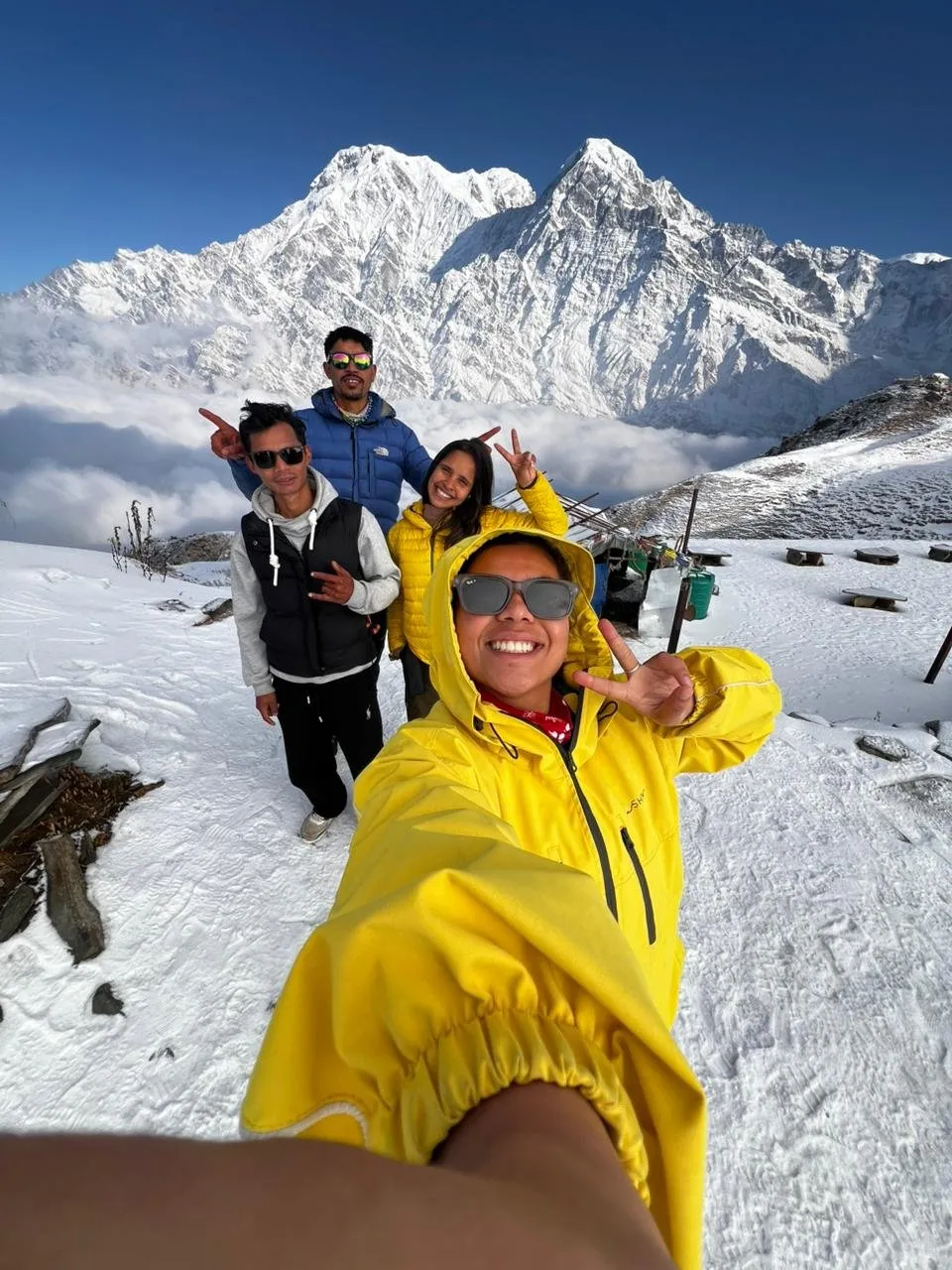
Mardi Himal
Five days on a quiet ridge above the Annapurnas, with Machhapuchhre close enough to feel. The shortest way to stand somewhere genuinely high.
- Days
- 5
- Max
- 4,200m
- Difficulty
Moderate
From €350 per person
Annapurna, Western Nepal
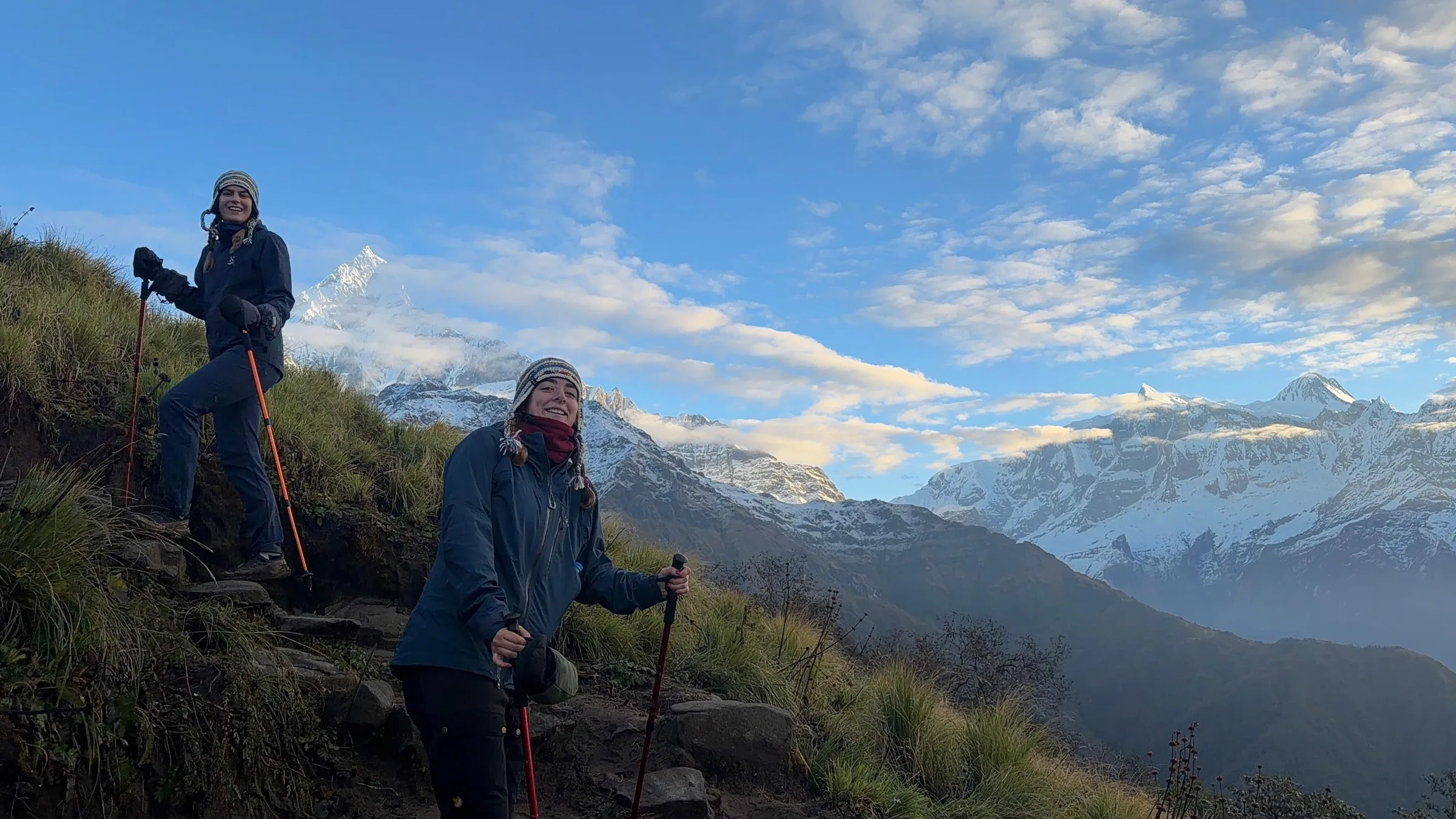
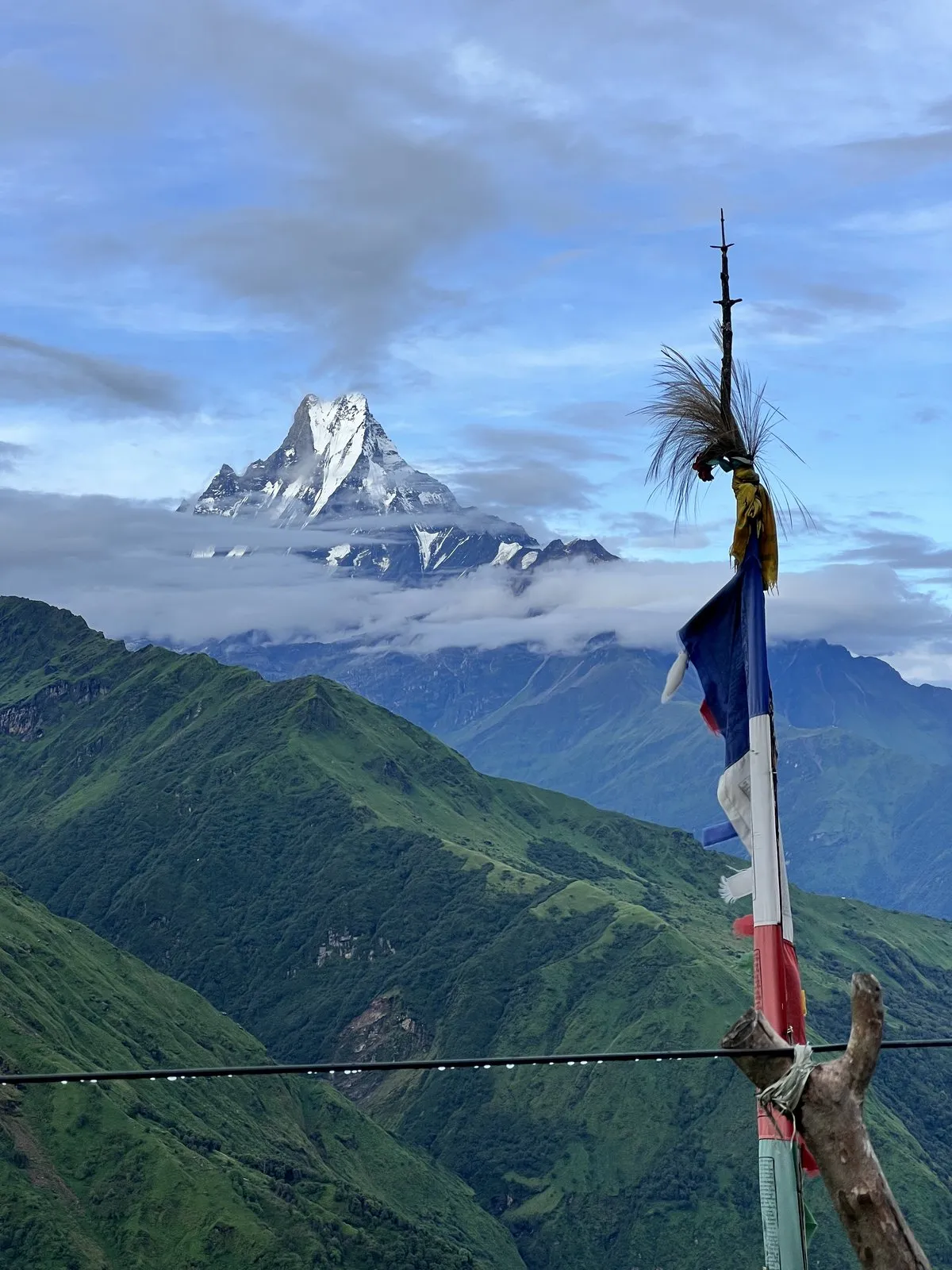
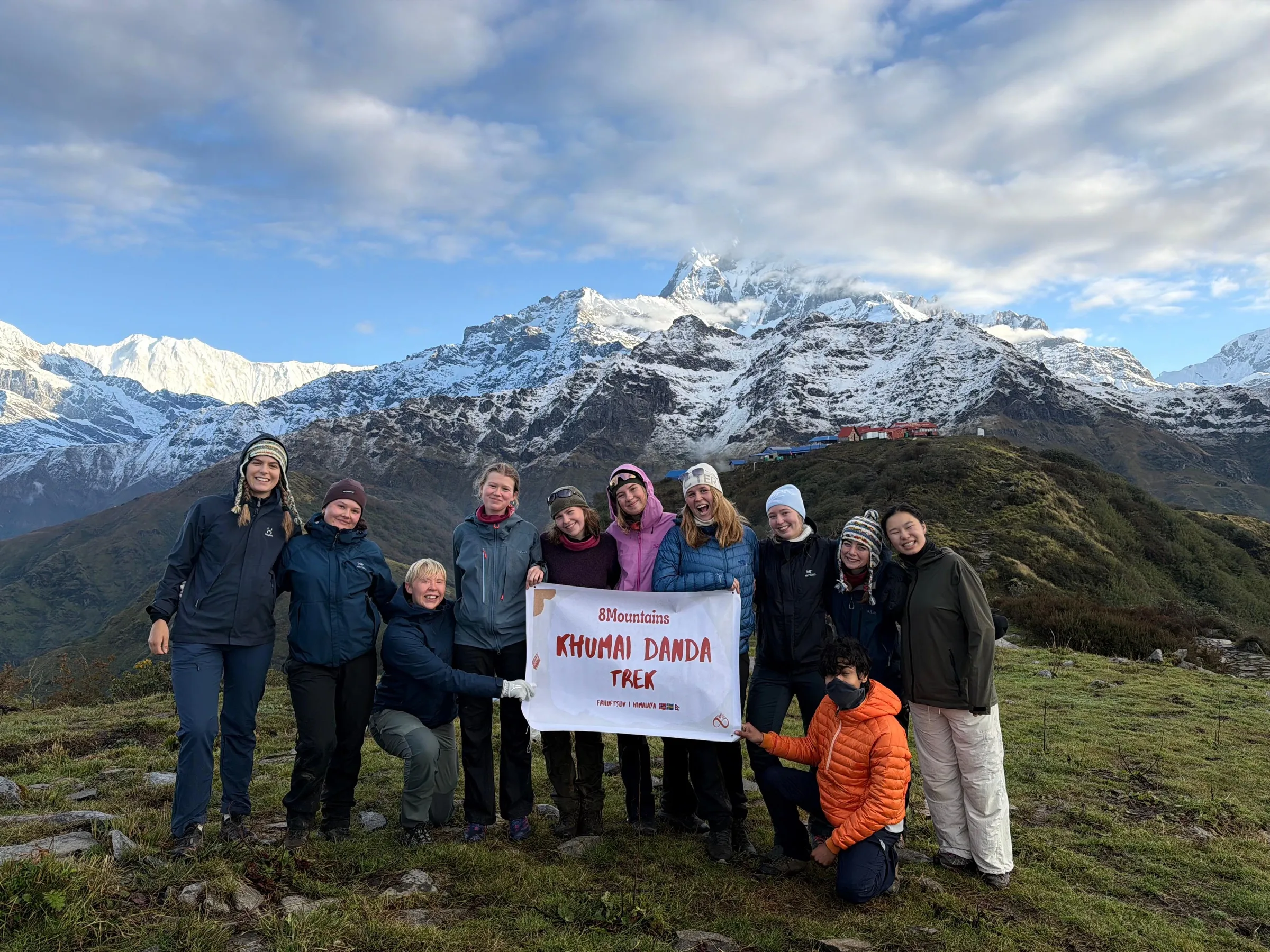
Khumai Danda
Three days from Pokhara onto a ridge that faces Machhapuchhre head on, with the Annapurna range running west from it. The shortest trek we run.
- Days
- 3
- Max
- 3,682m
- Difficulty
Moderate
From €250 per person
Everest, Khumbu
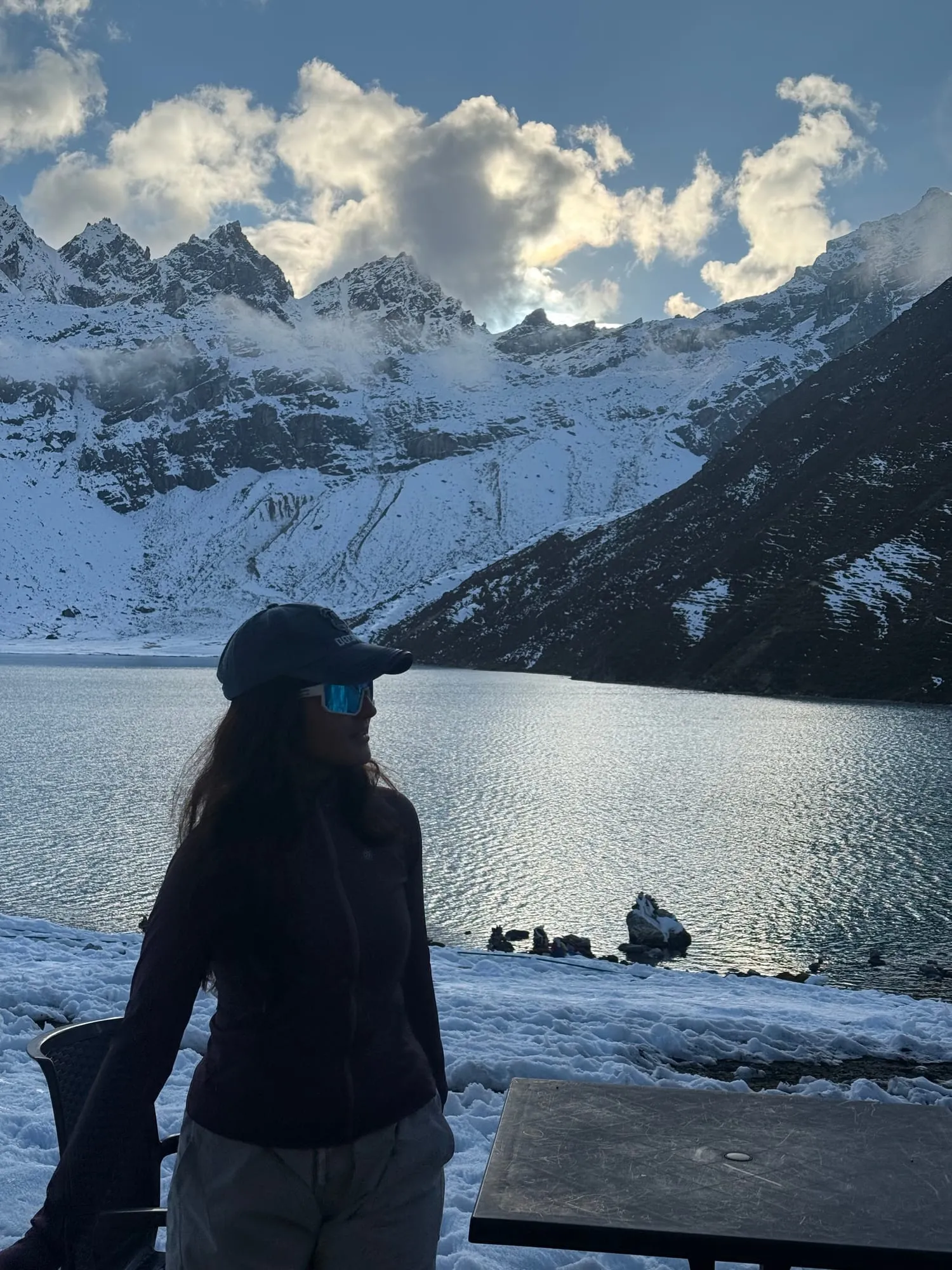
Gokyo Lakes
Twelve days to the turquoise lakes above 4,700 m and the summit of Gokyo Ri, where Everest, Lhotse, Makalu and Cho Oyu stand in one frame. Quieter than Base Camp.
- Days
- 12
- Max
- 5,357m
- Difficulty
Challenging
From €1,050 per person
Everest, Khumbu
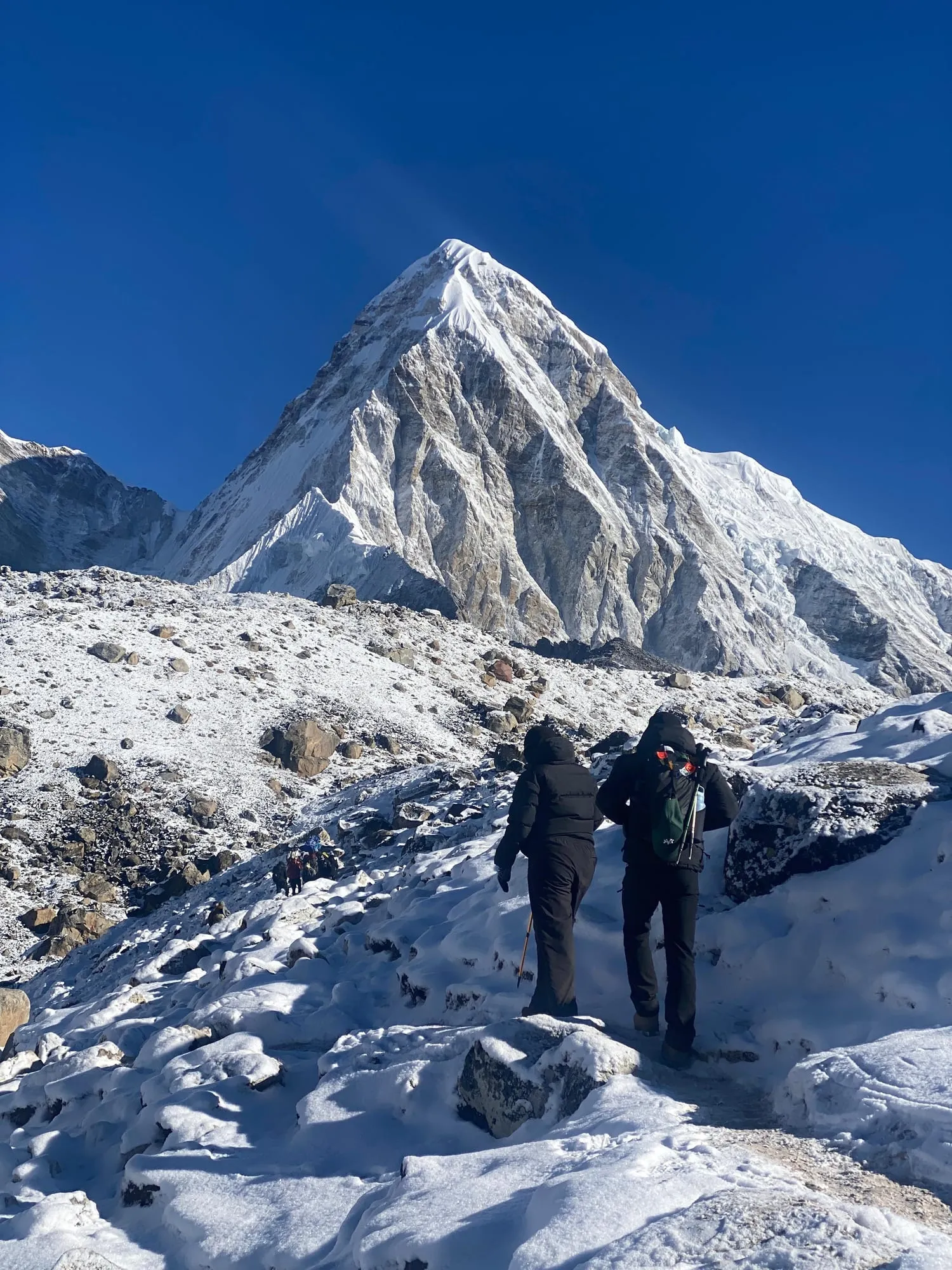
Everest Three Passes
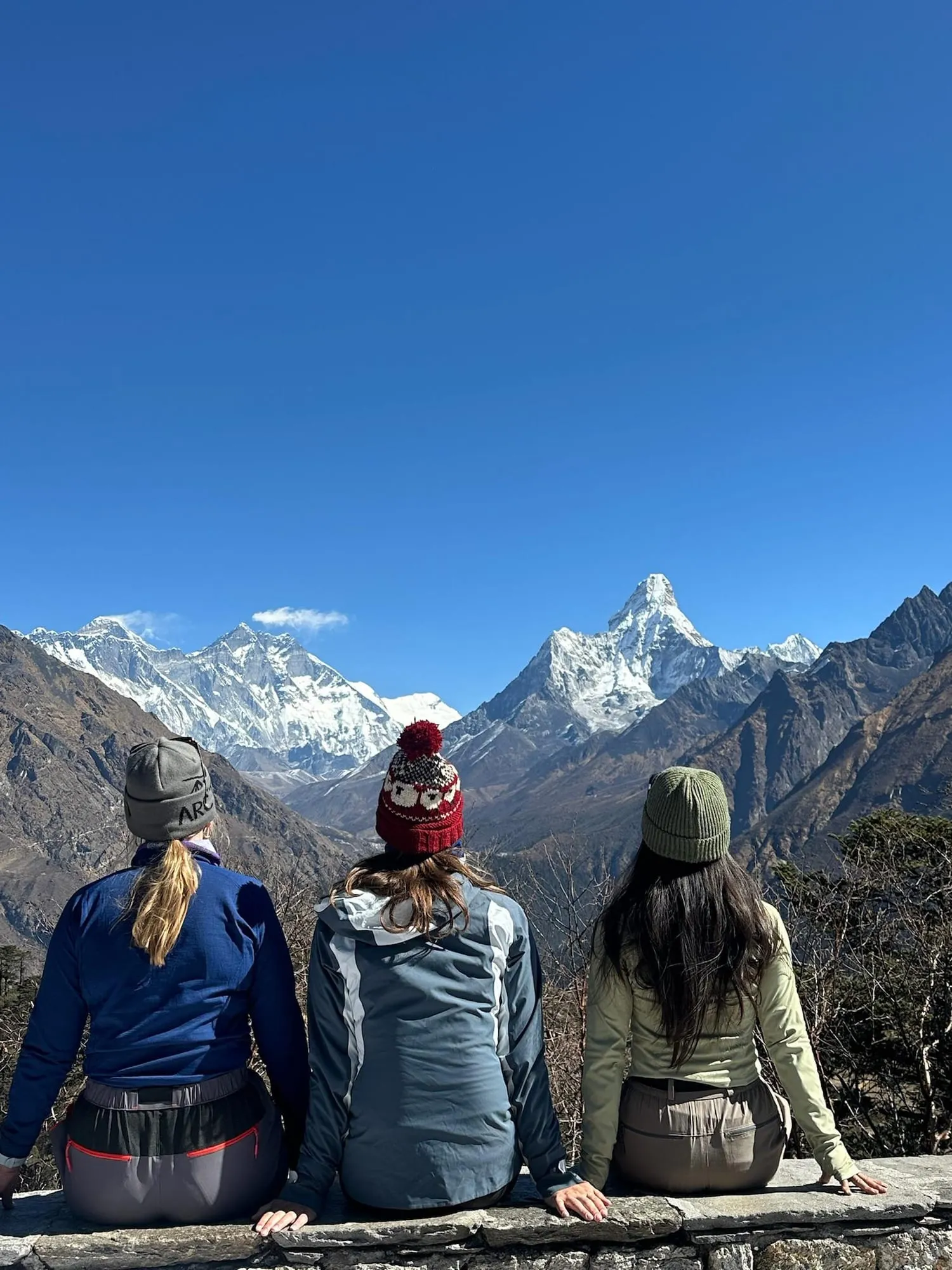
Eighteen days over the Kongma La, the Cho La and the Renjo La, taking in Everest Base Camp, Kala Patthar and the Gokyo lakes. The most complete circuit of the Khumbu there is.
- Days
- 18
- Max
- 5,545m
- Difficulty
Strenuous
From €1,700 per person
Everest, Khumbu
Everest Cho La Pass
Fifteen days linking Everest Base Camp and the Gokyo lakes over the Cho La at 5,420 m. A glacier crossing, Kala Patthar at sunrise, and two of the great Khumbu valleys in one walk.
- Days
- 15
- Max
- 5,545m
- Difficulty
Strenuous
From €1,400 per person
Everest, Hinku Valley
Mera Peak Climbing
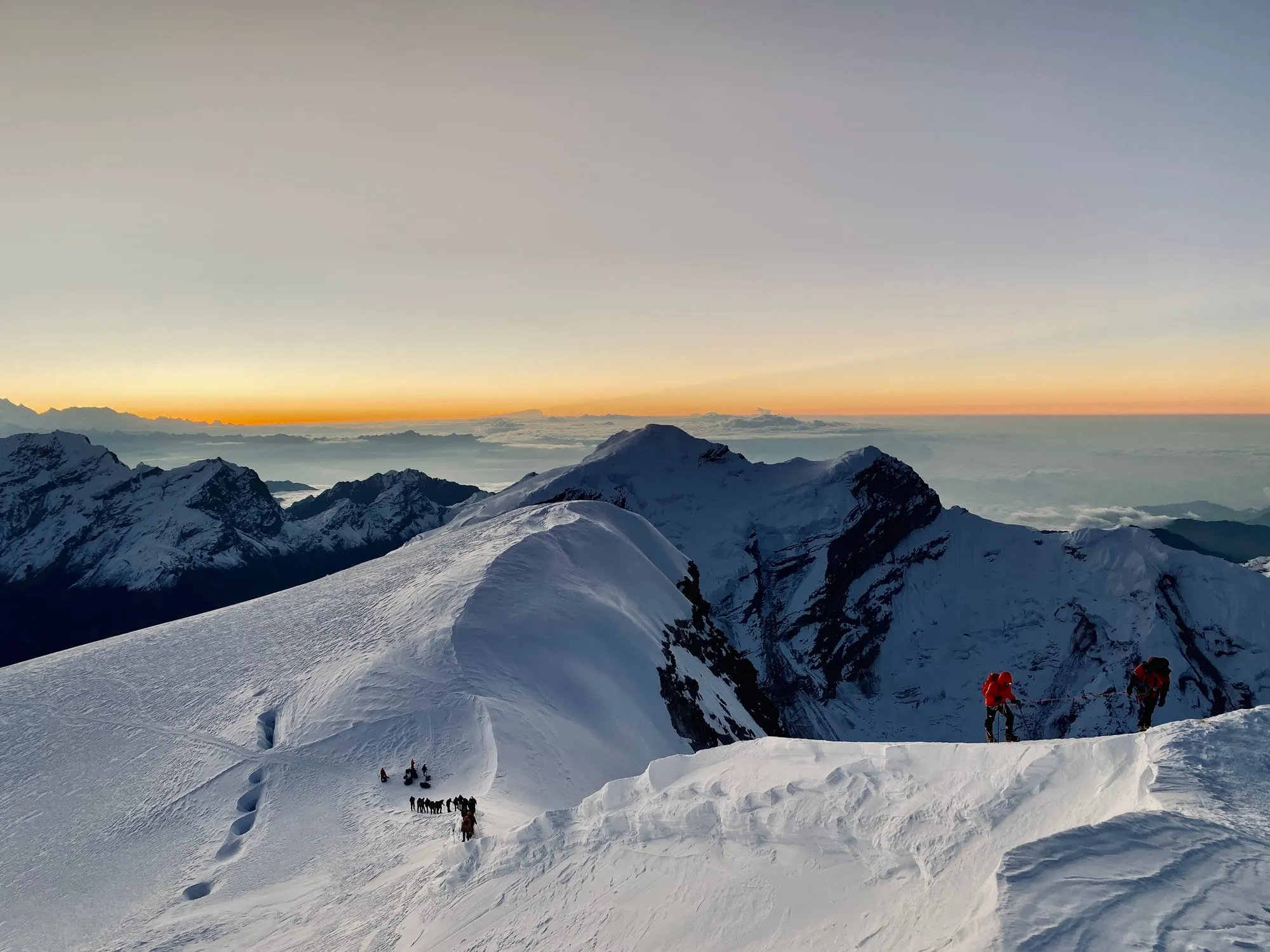
Sixteen days up Nepal's highest trekking peak at 6,476 m, through the remote Hinku Valley. Climbing training, a contingency day, and five 8,000 m peaks from the summit.
- Days
- 16
- Max
- 6,476m
- Difficulty
Strenuous
Inquire for prices
Group departure on Sat 7 November 2026
Annapurna, Western Nepal
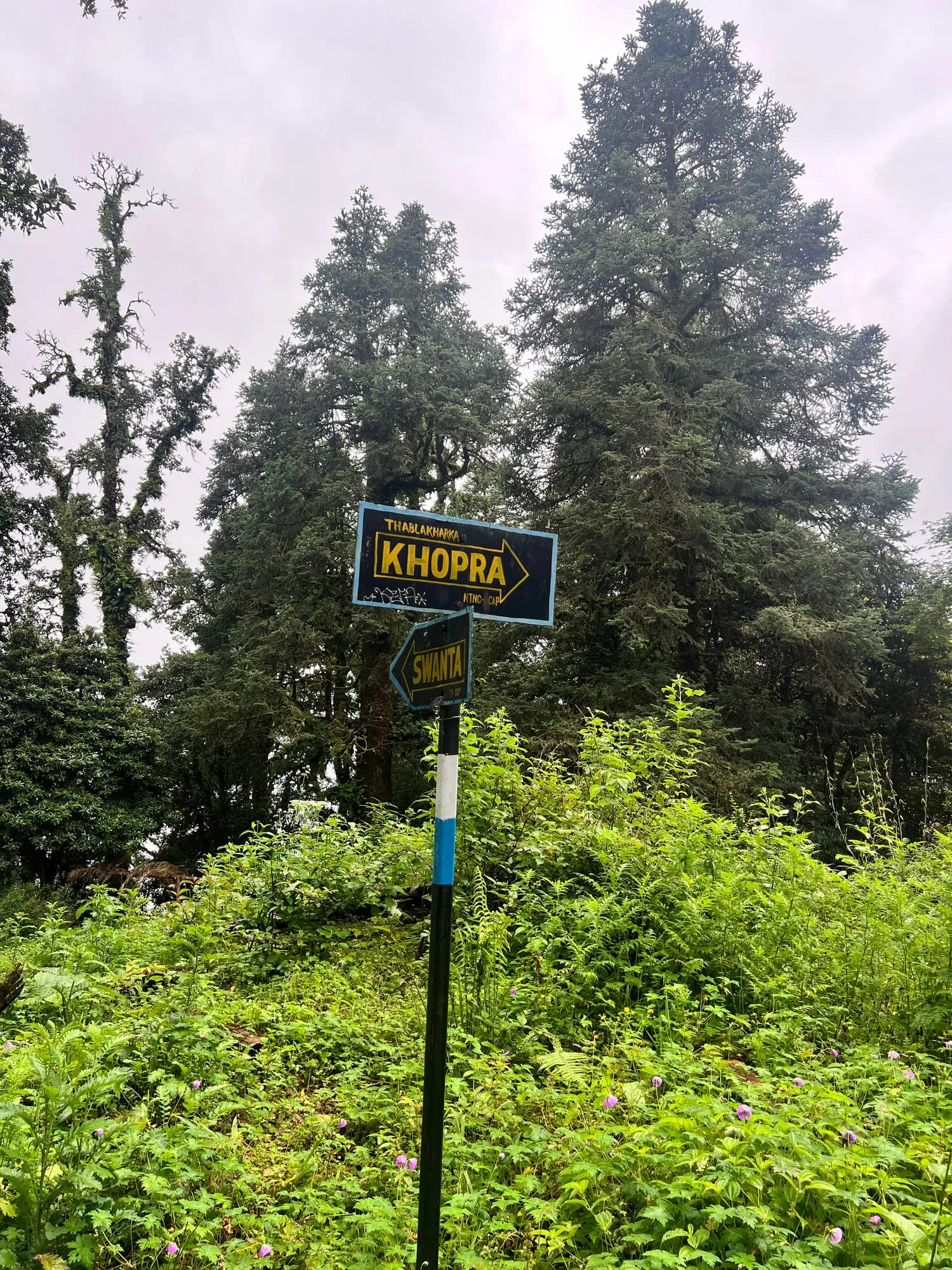
Khopra Danda
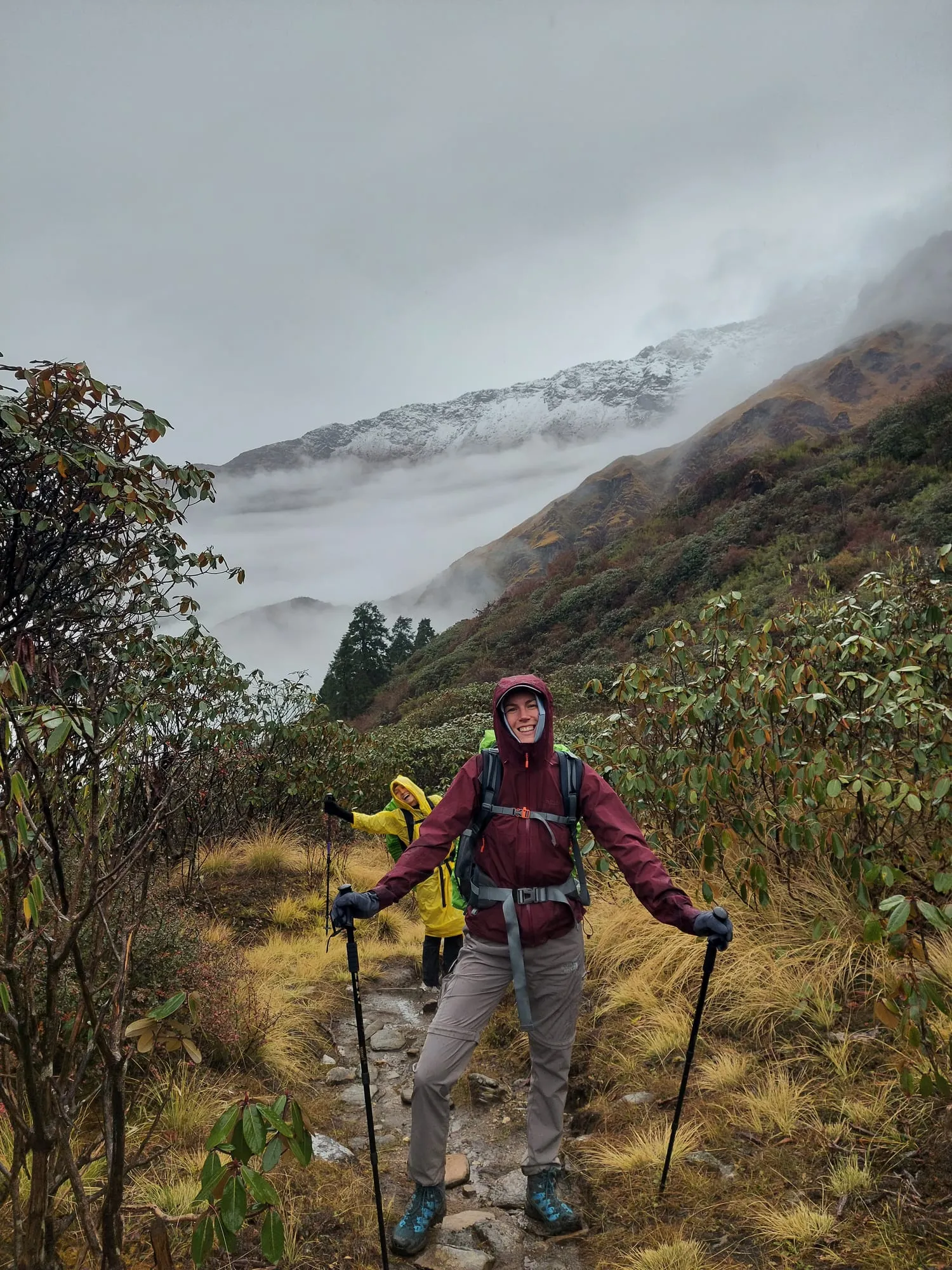
Seven days on a quiet ridge above the Annapurnas, with Dhaulagiri close enough to feel. Community-run lodges, and a fraction of the traffic on the Poon Hill trail below.
- Days
- 7
- Max
- 3,660m
- Difficulty
Moderate
From €550 per person
Nar Phu, Annapurna
Nar Phu Valley
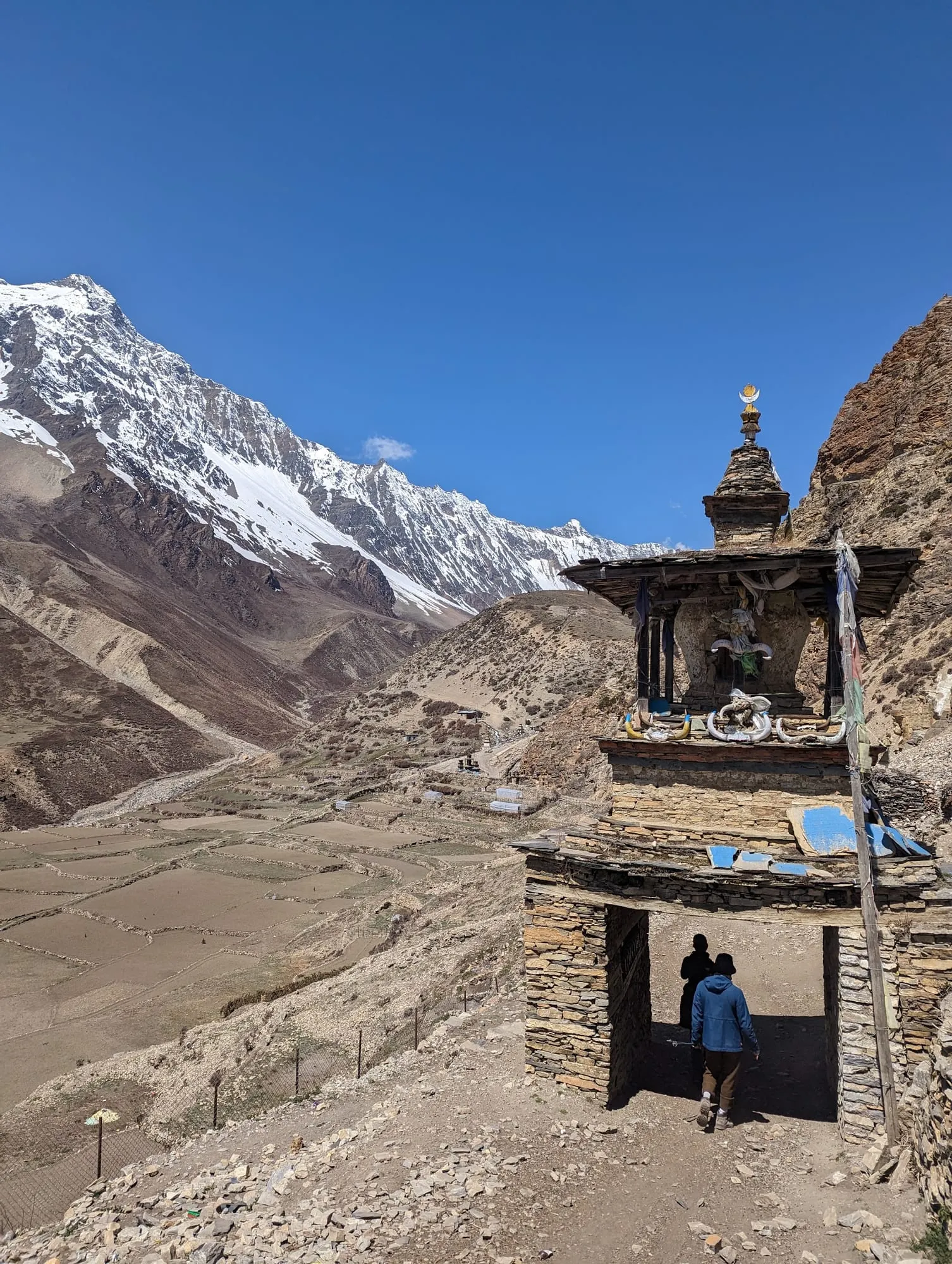
Eleven days in a restricted valley that only opened in 2002, walled Tibetan villages, meditation caves, and the Kang La at 5,320 m. You will meet more yaks than trekkers.
- Days
- 11
- Max
- 5,320m
- Difficulty
Challenging
From €1,000 per person
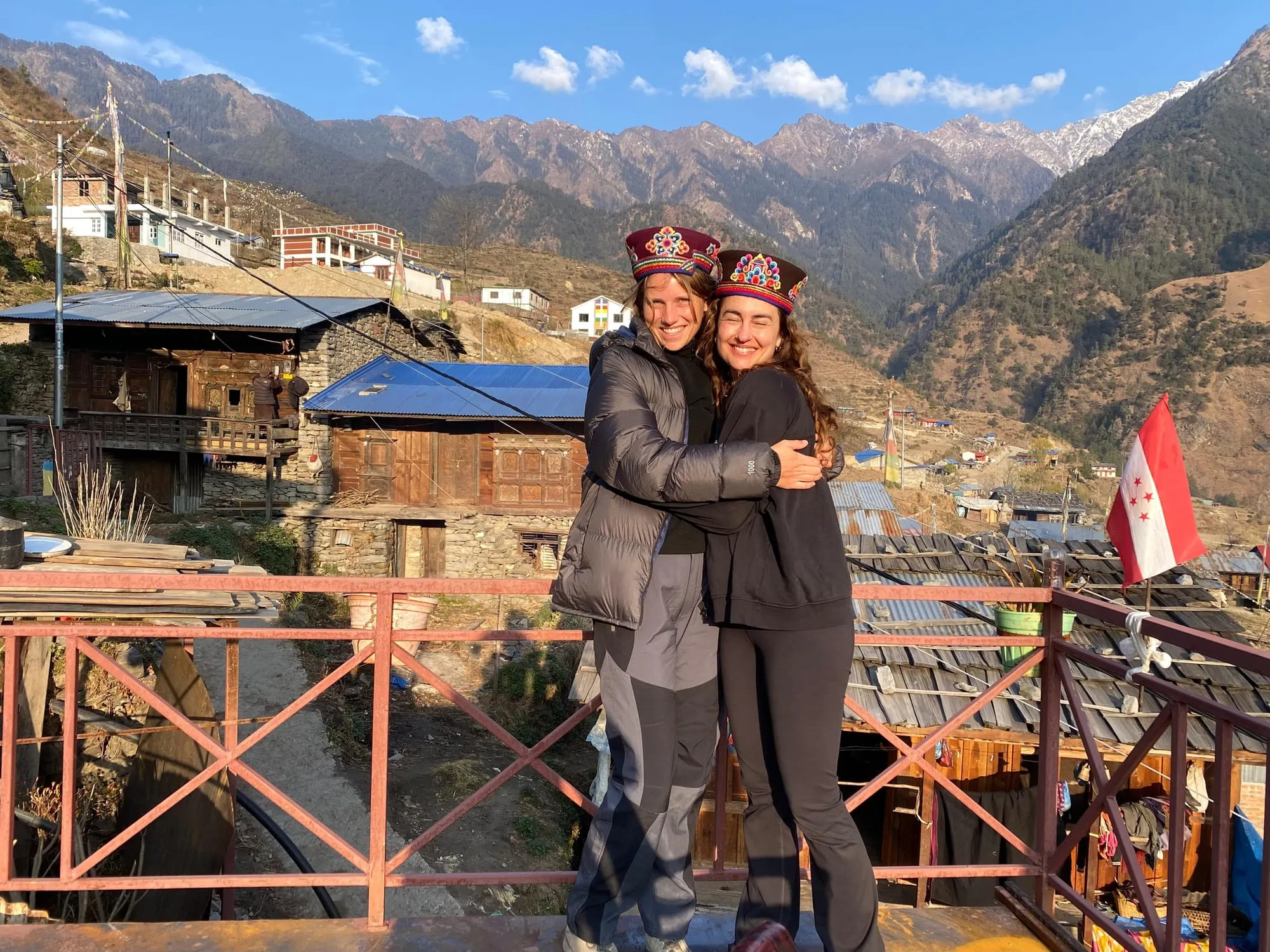
Langtang, Rasuwa
Tamang Heritage Trail
Seven days through Tamang villages in Rasuwa, on an old trade route to Tibet. Hot springs, homestays and Ganesh Himal. A trek where the culture is the point, not the altitude.
- Days
- 7
- Max
- 3,165m
- Difficulty
Moderate
From €550 per person
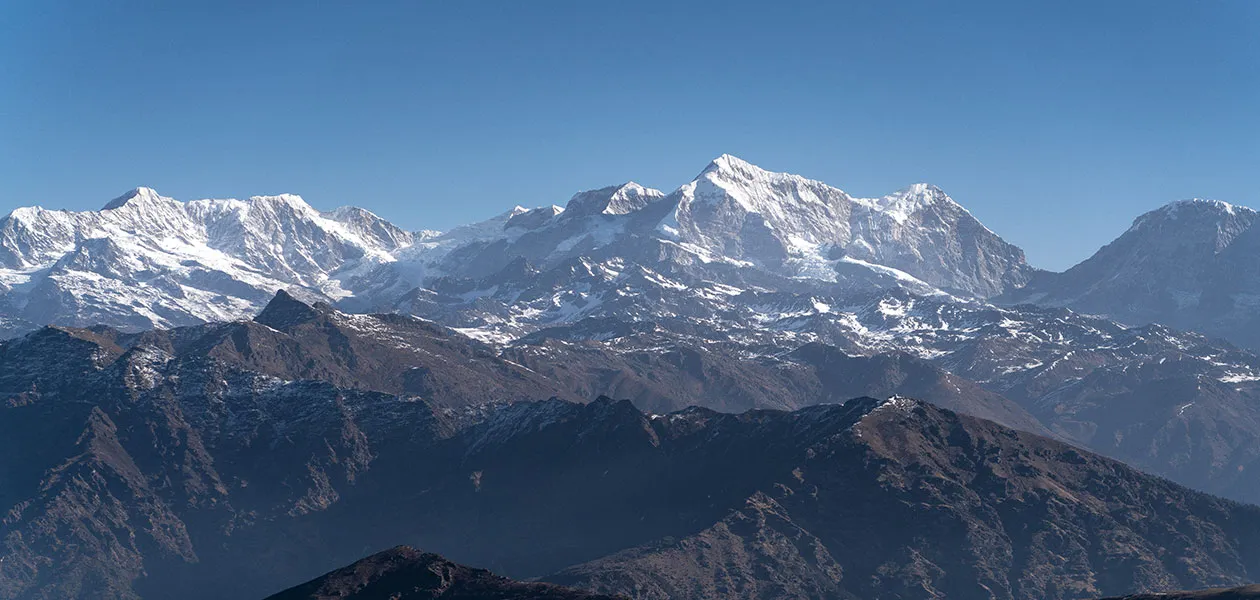
Everest, Solukhumbu
Pikey Peak
Six days in Solukhumbu for one of the widest Everest views in Nepal, on a trail almost nobody walks. Sherpa villages, monasteries and a sunrise ridge.
- Days
- 6
- Max
- 3,065m
- Difficulty
Moderate
From €500 per person
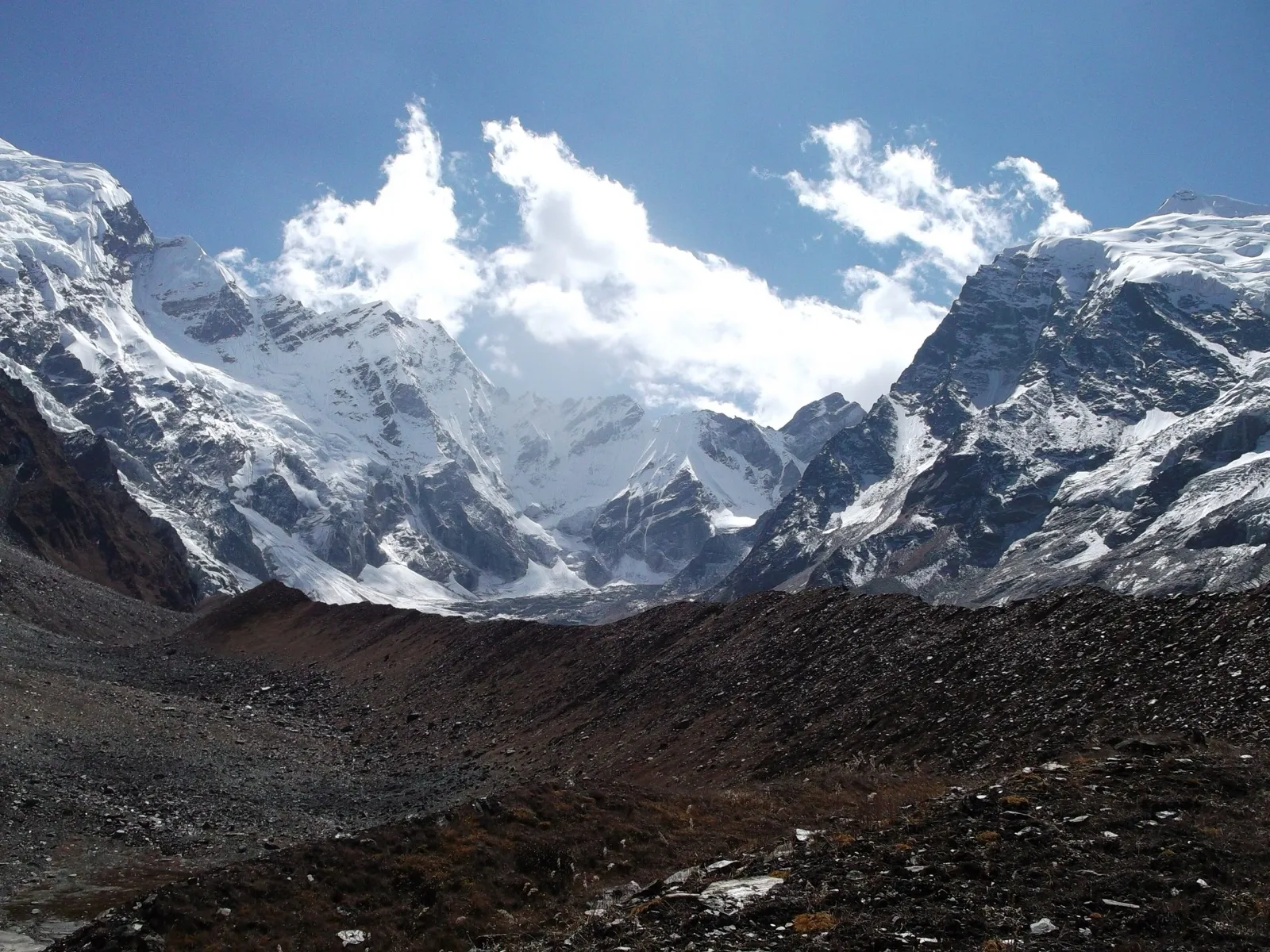
Far Western Himalaya
Api Himal and Naupata
For travellers ready to go far west, Api Himal combines a serious trek with community hosted beginnings in Naupata.
- Days
- 10
- Max
- 4,200m
- Difficulty
Strenuous
Inquire for prices
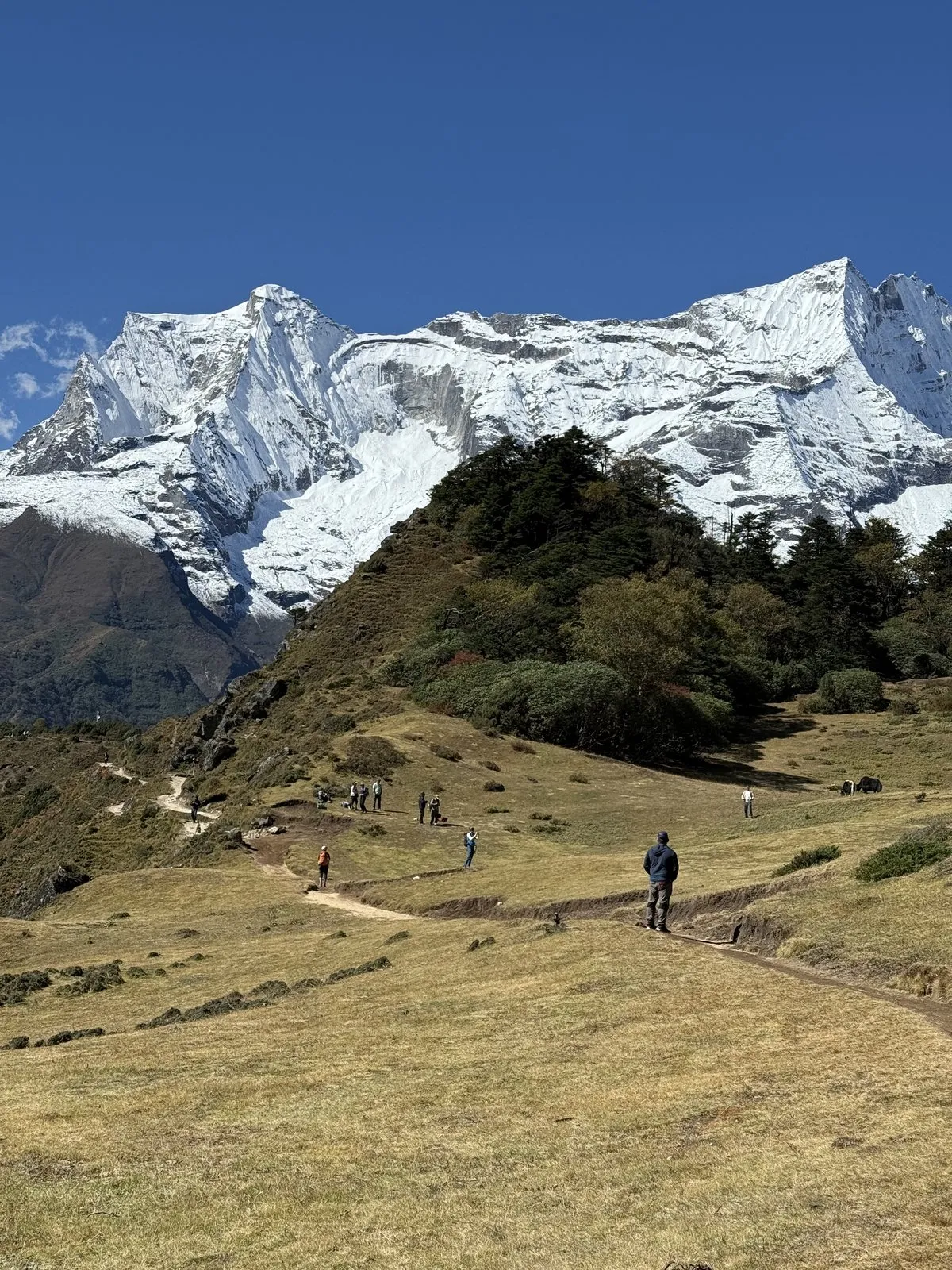
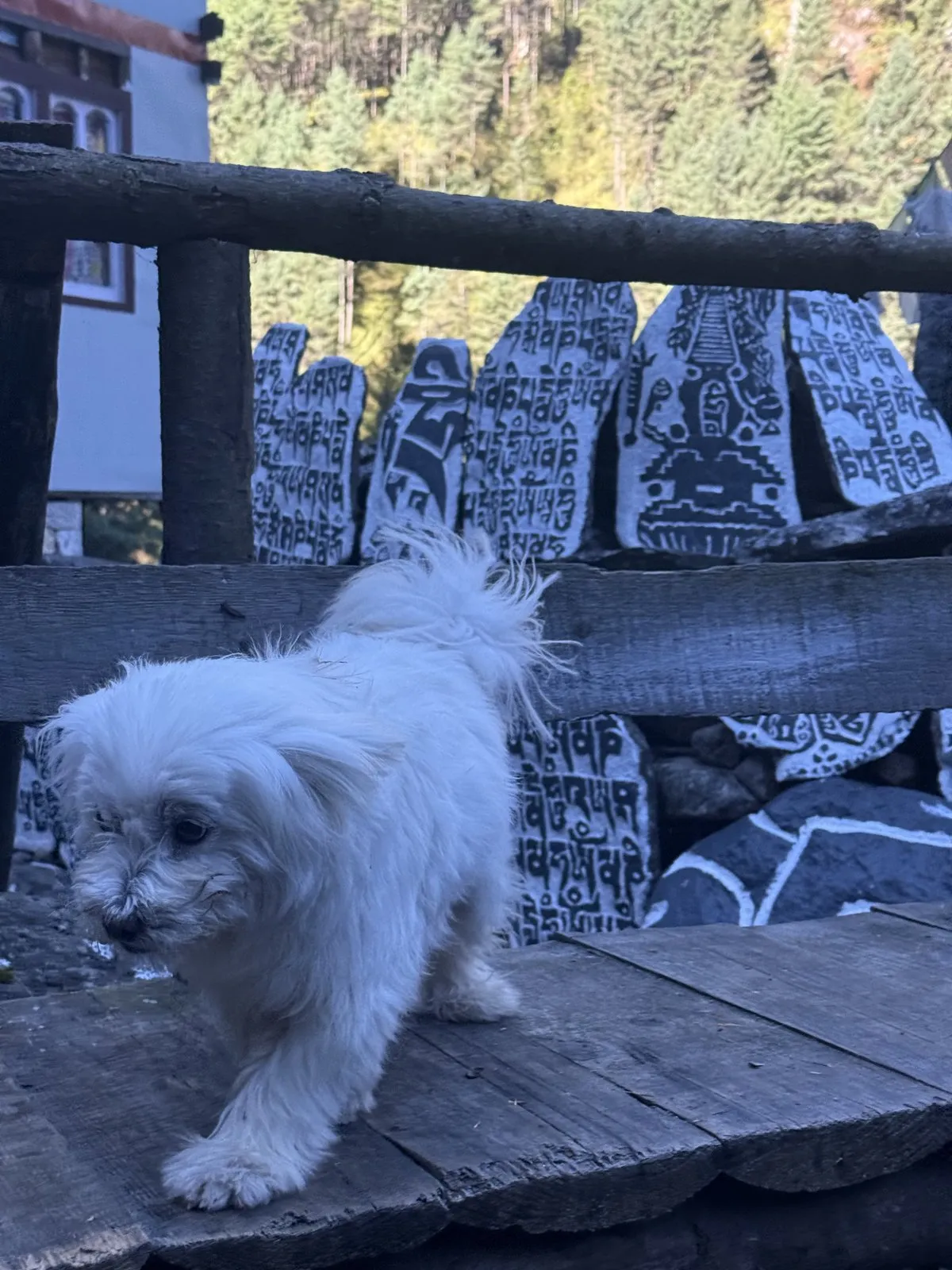
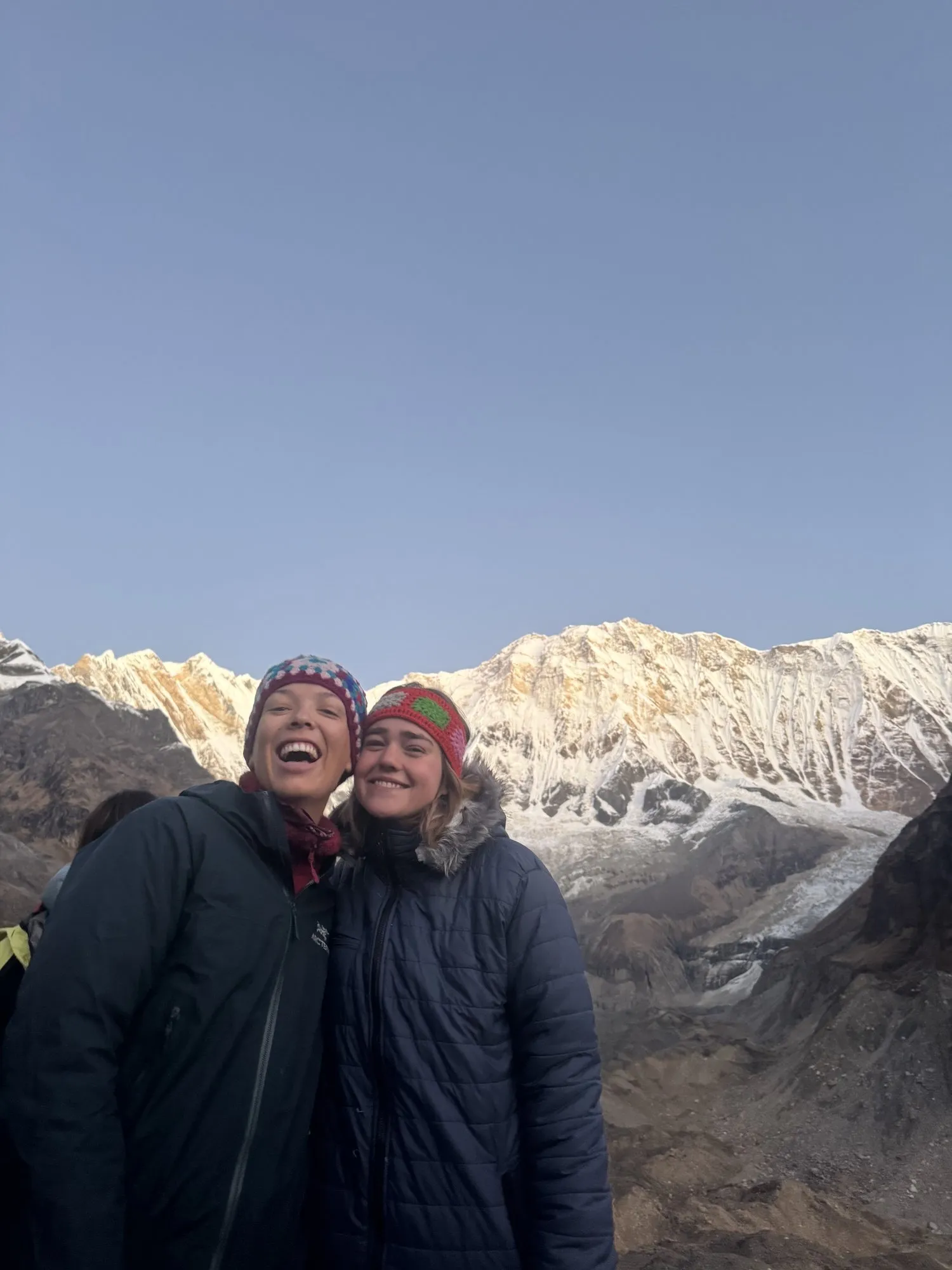
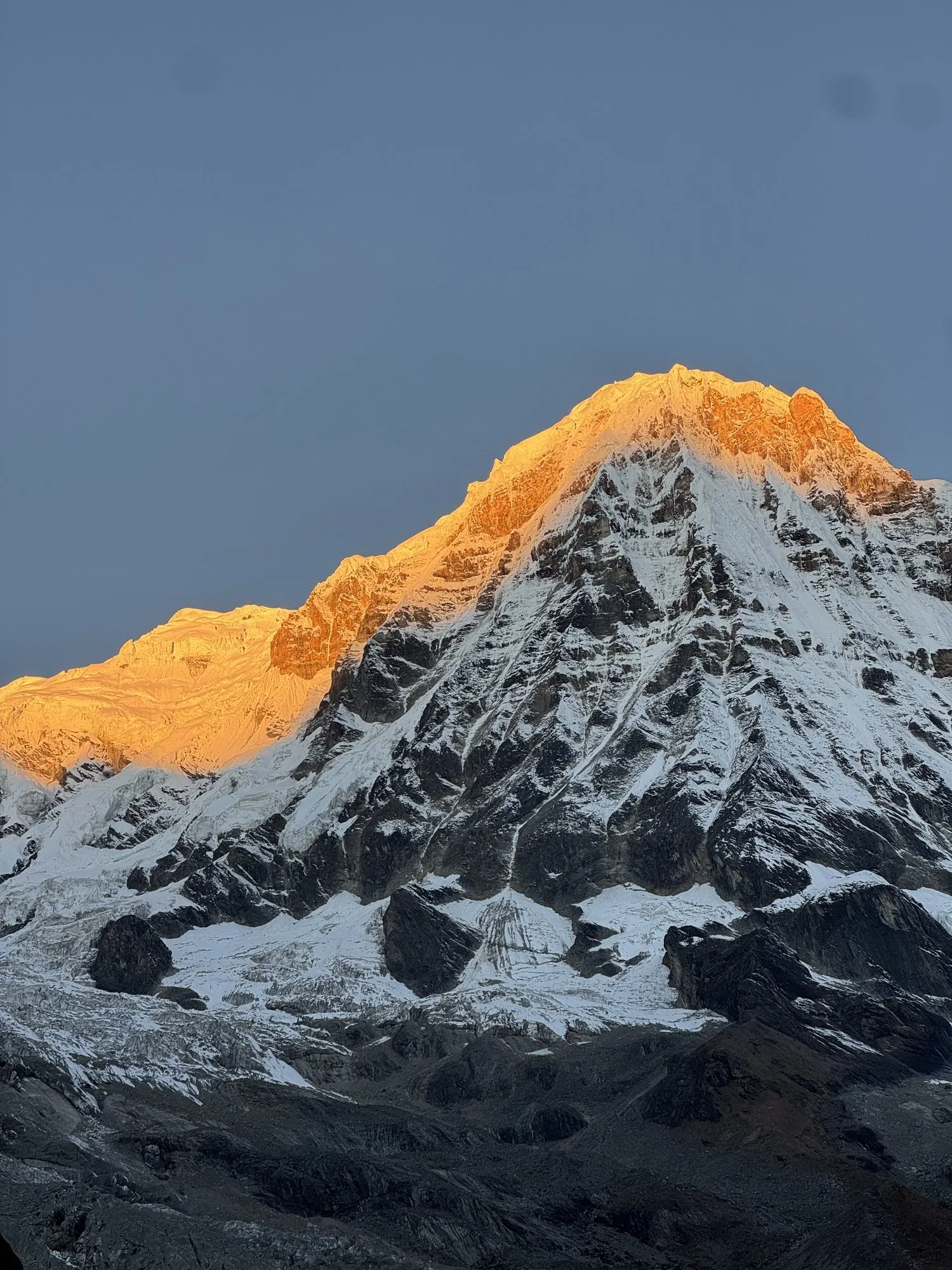
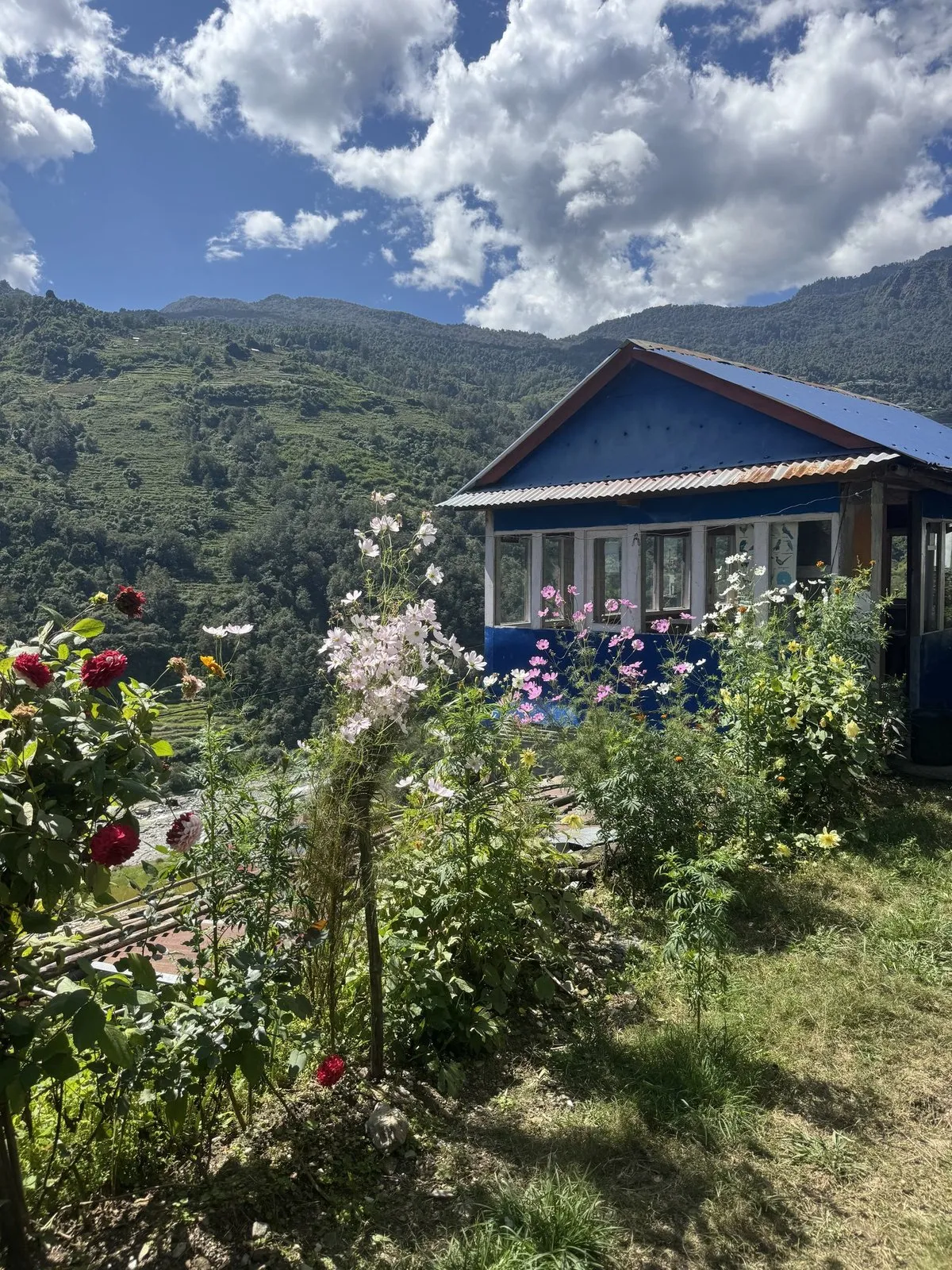
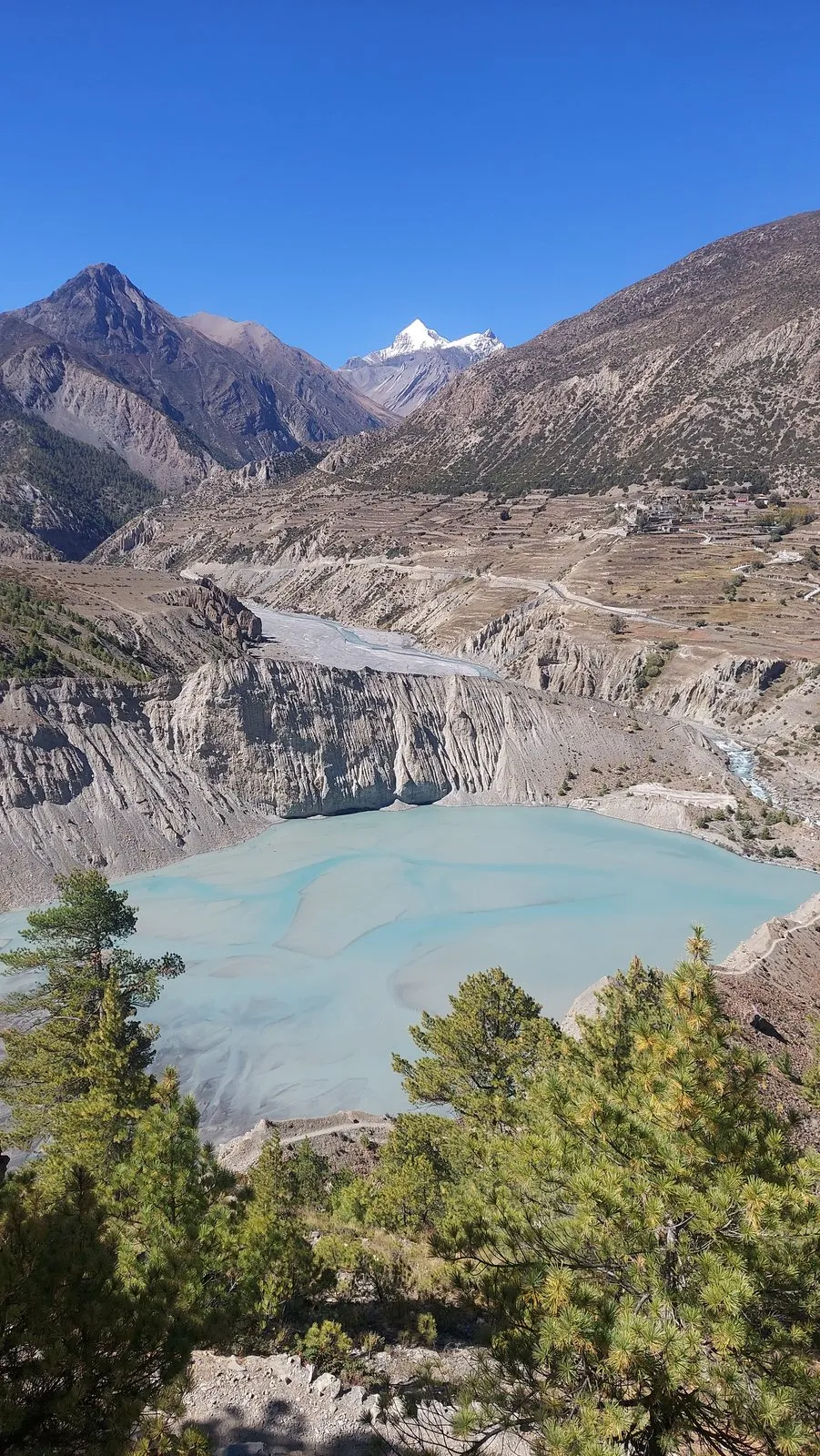
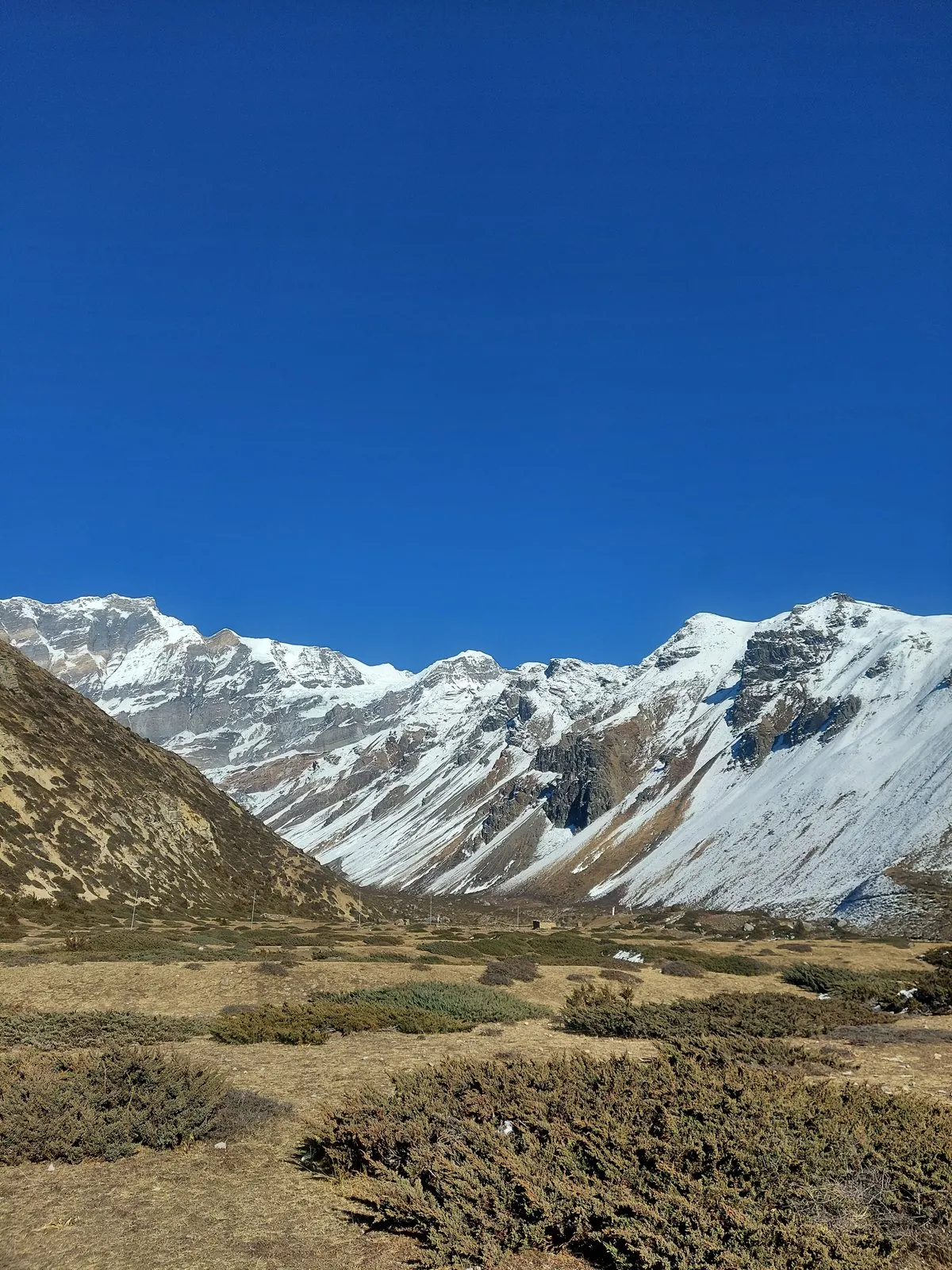
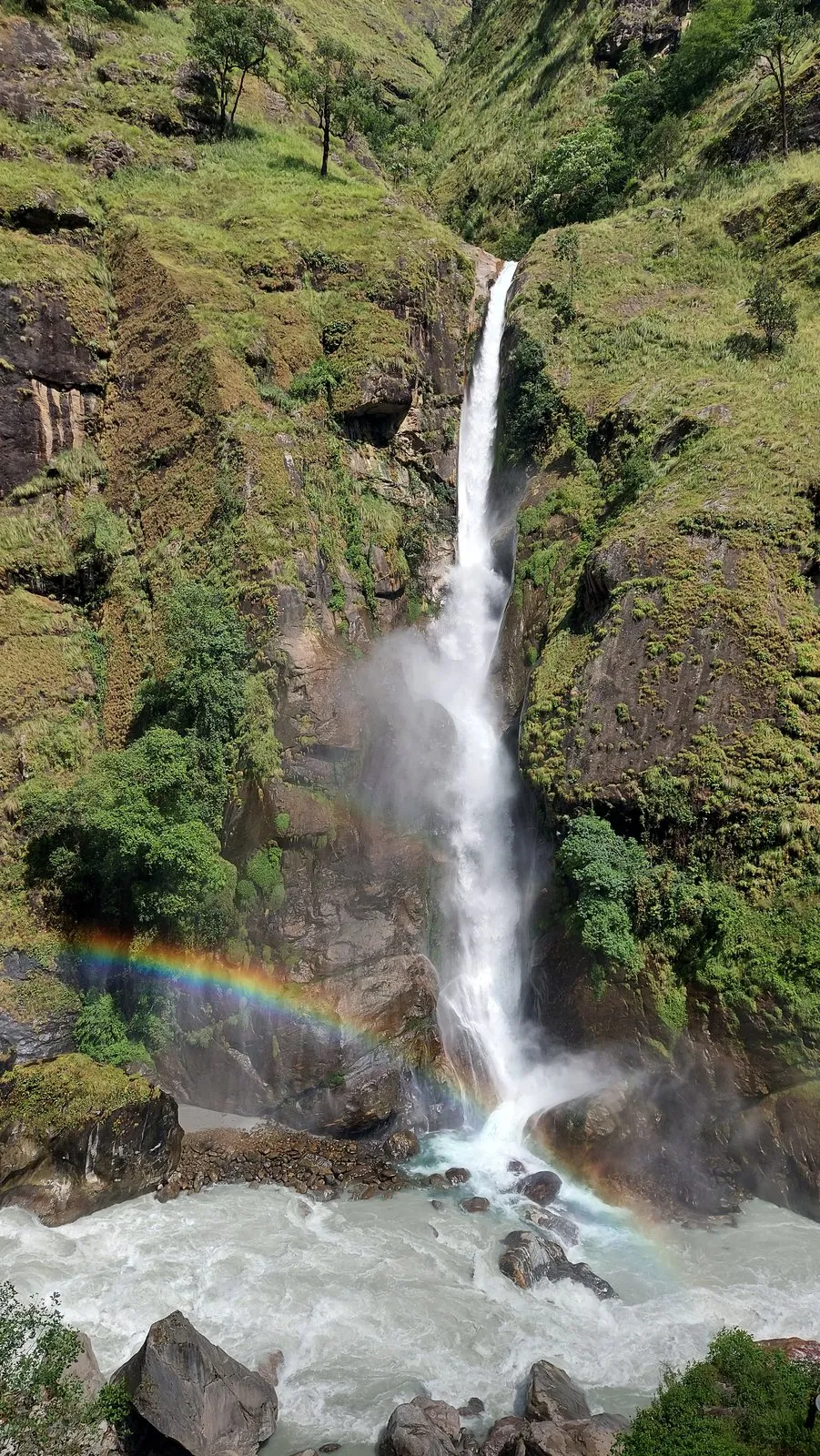
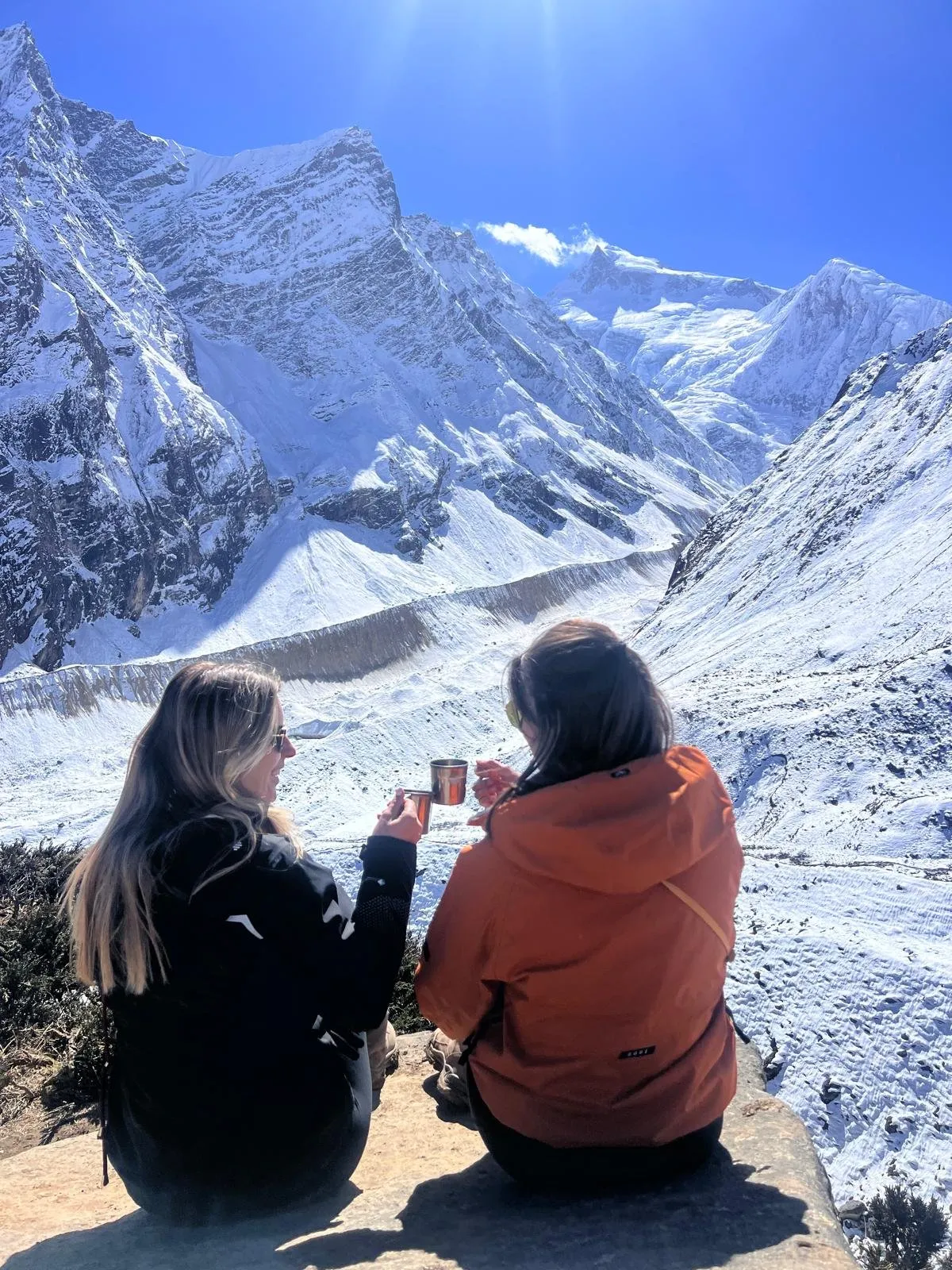
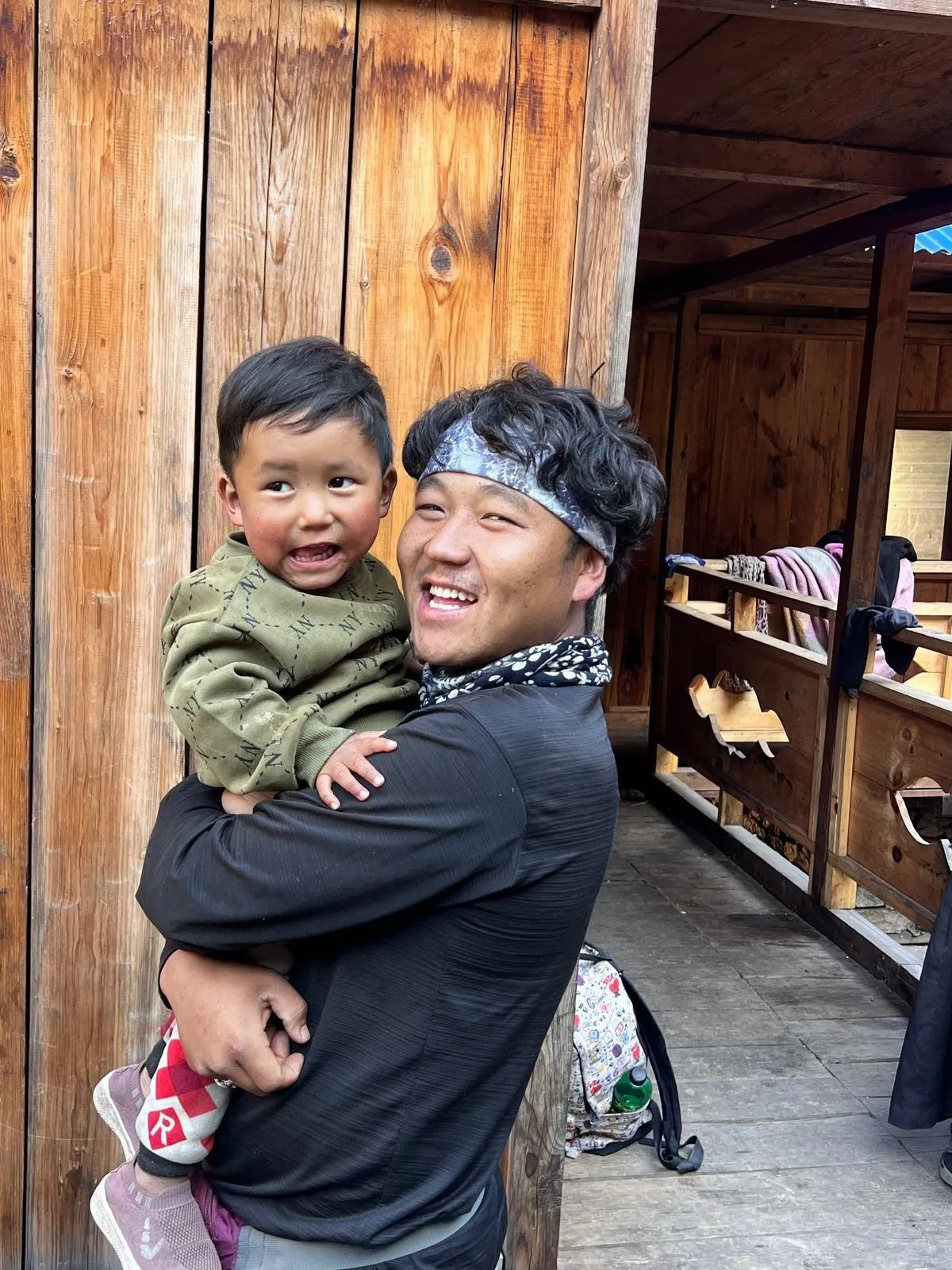
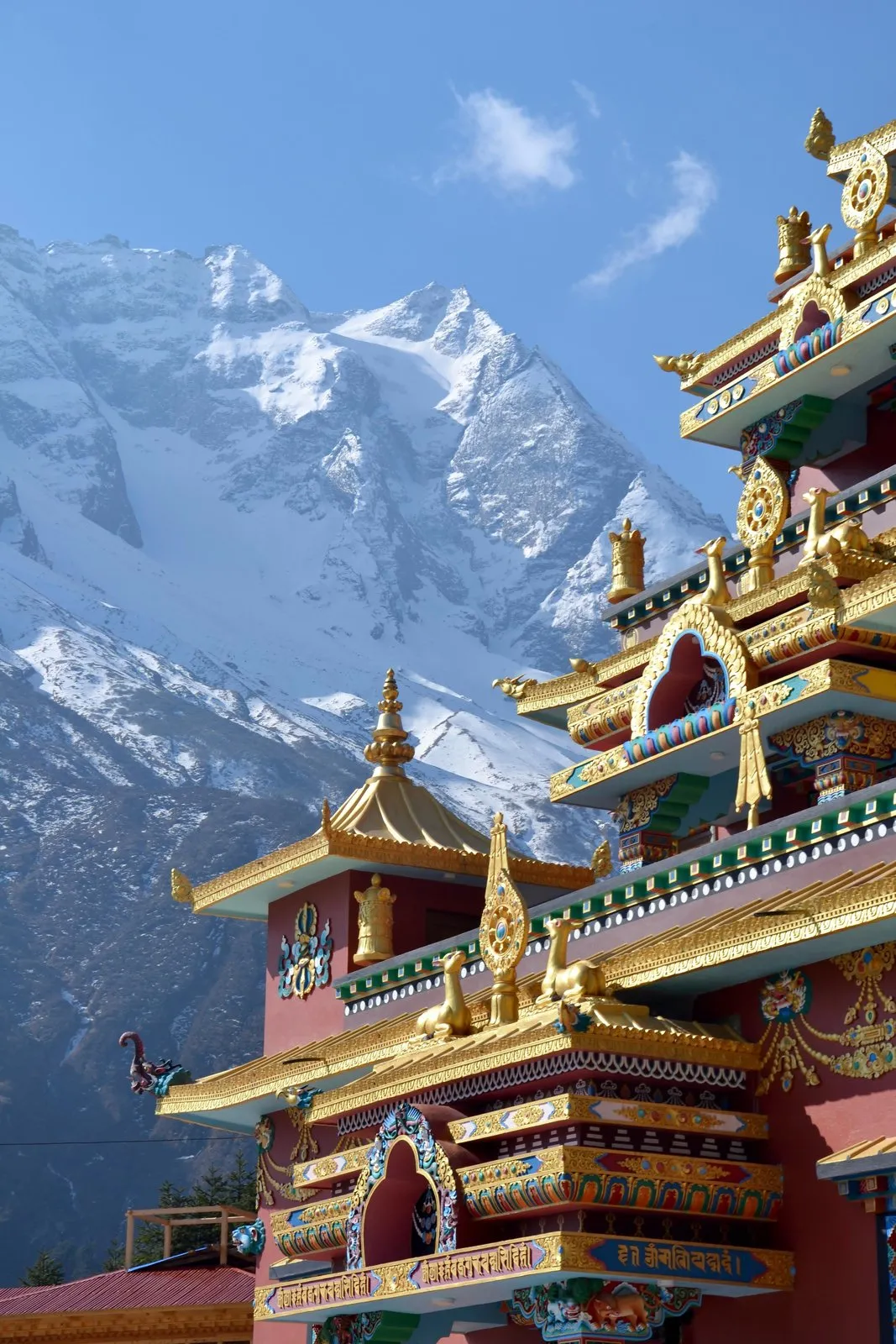
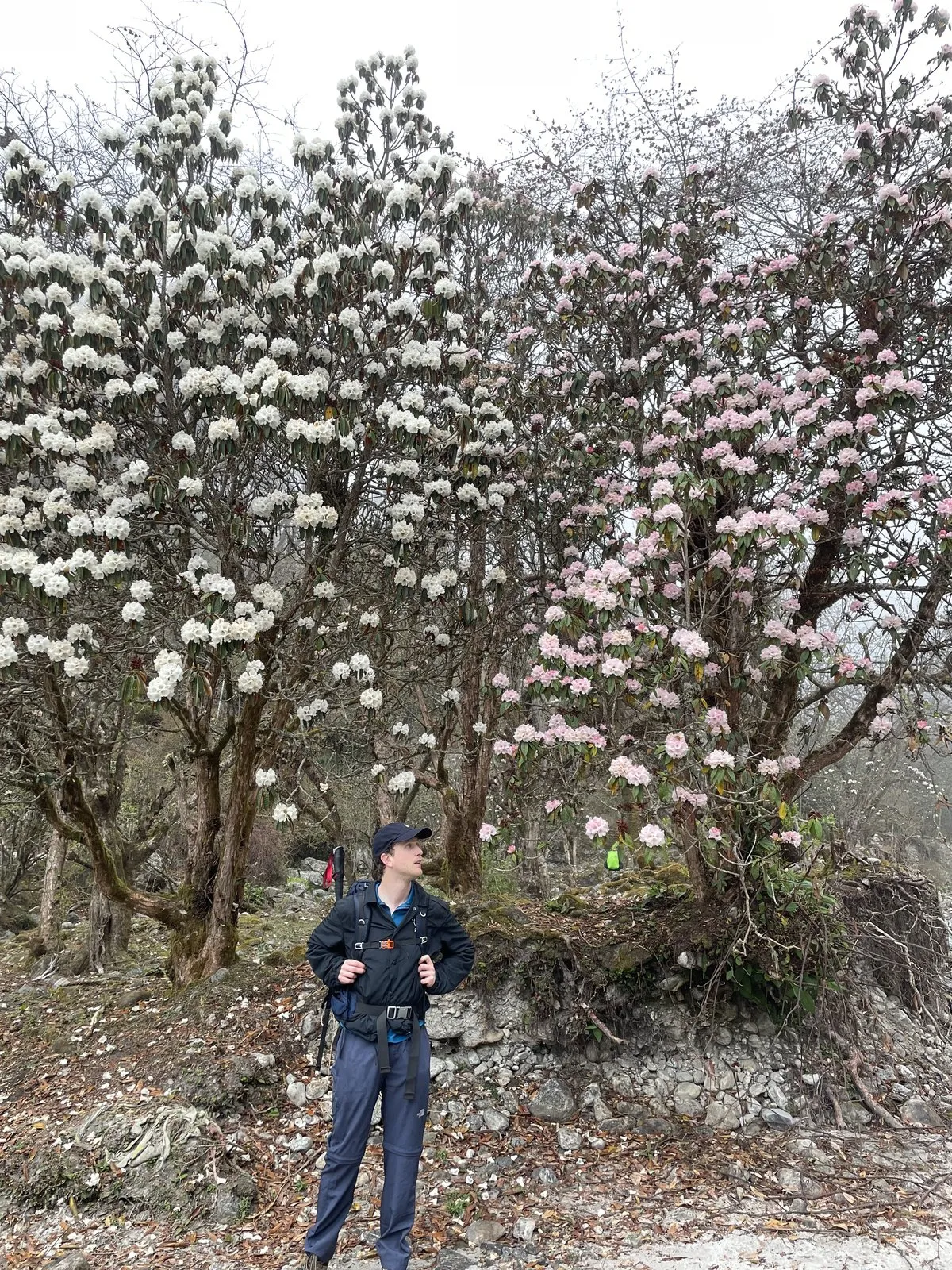
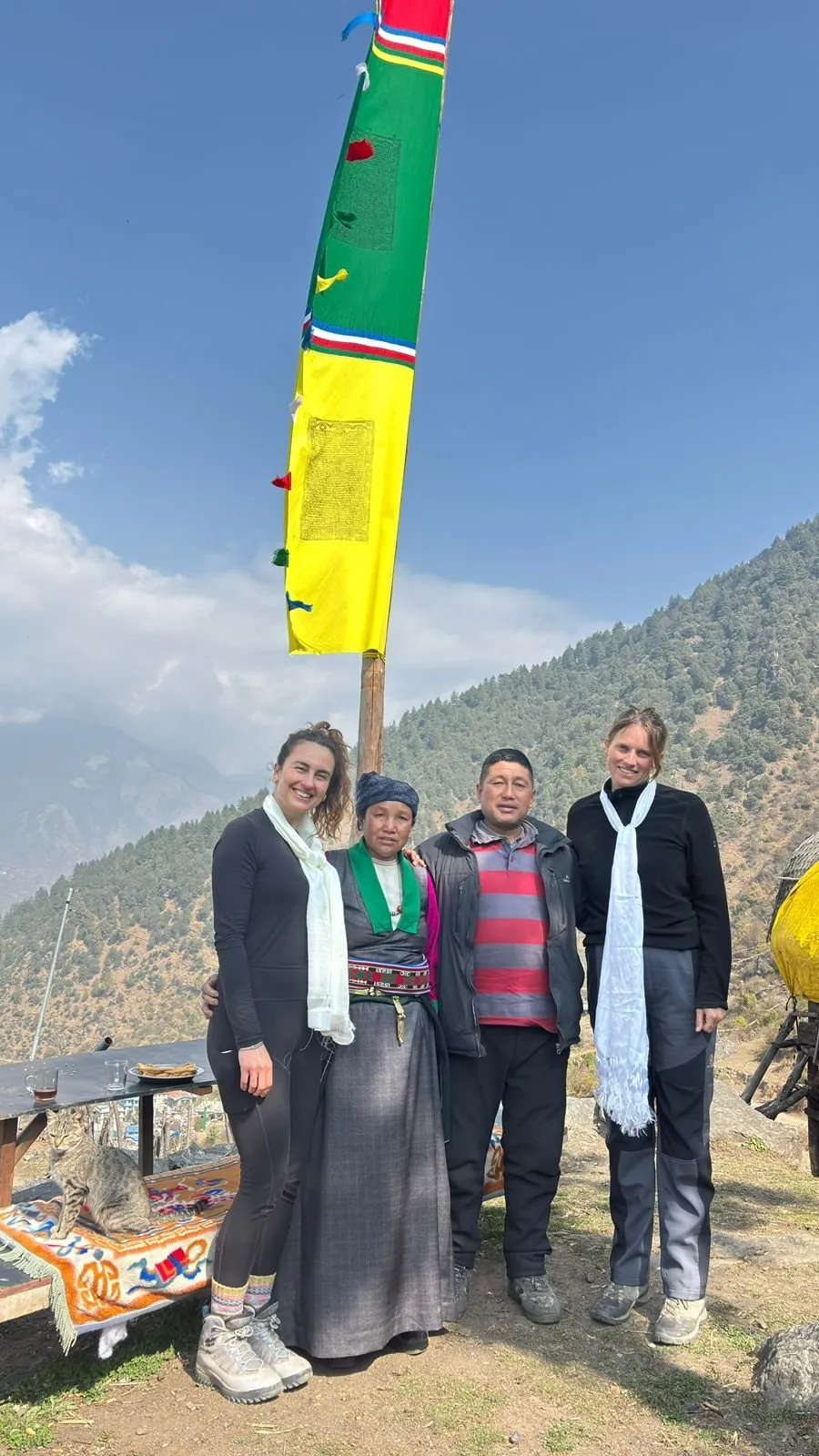
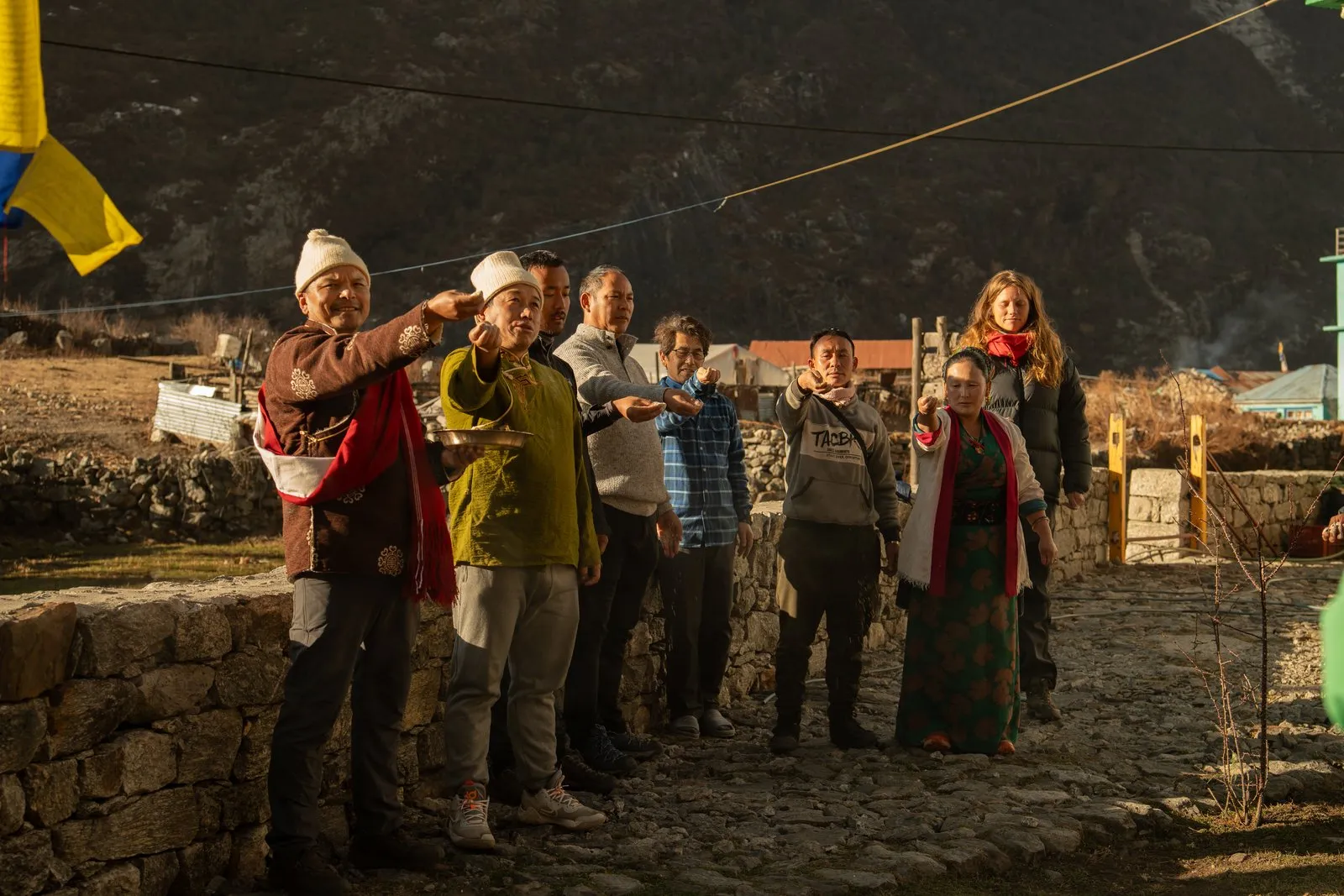
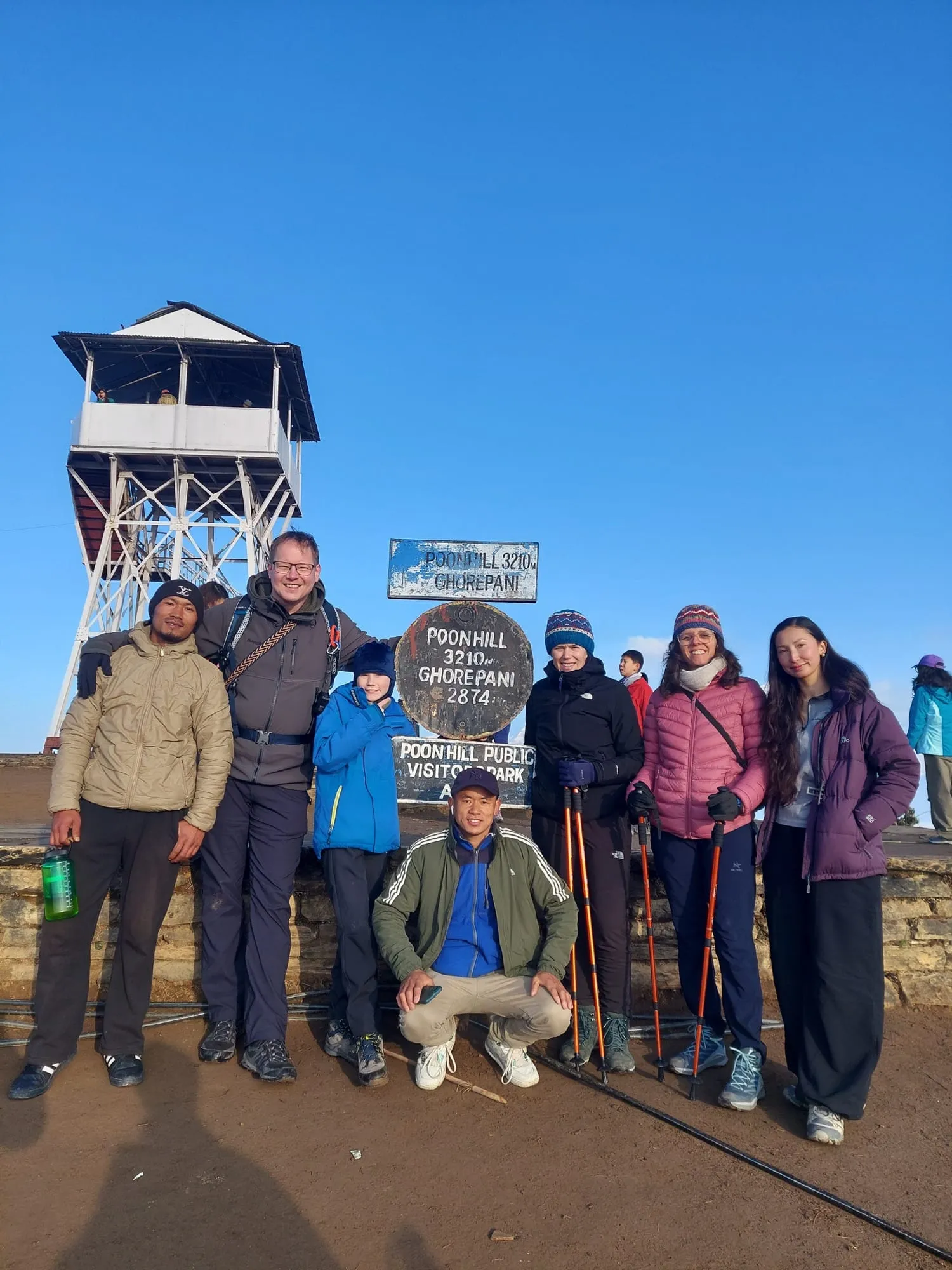
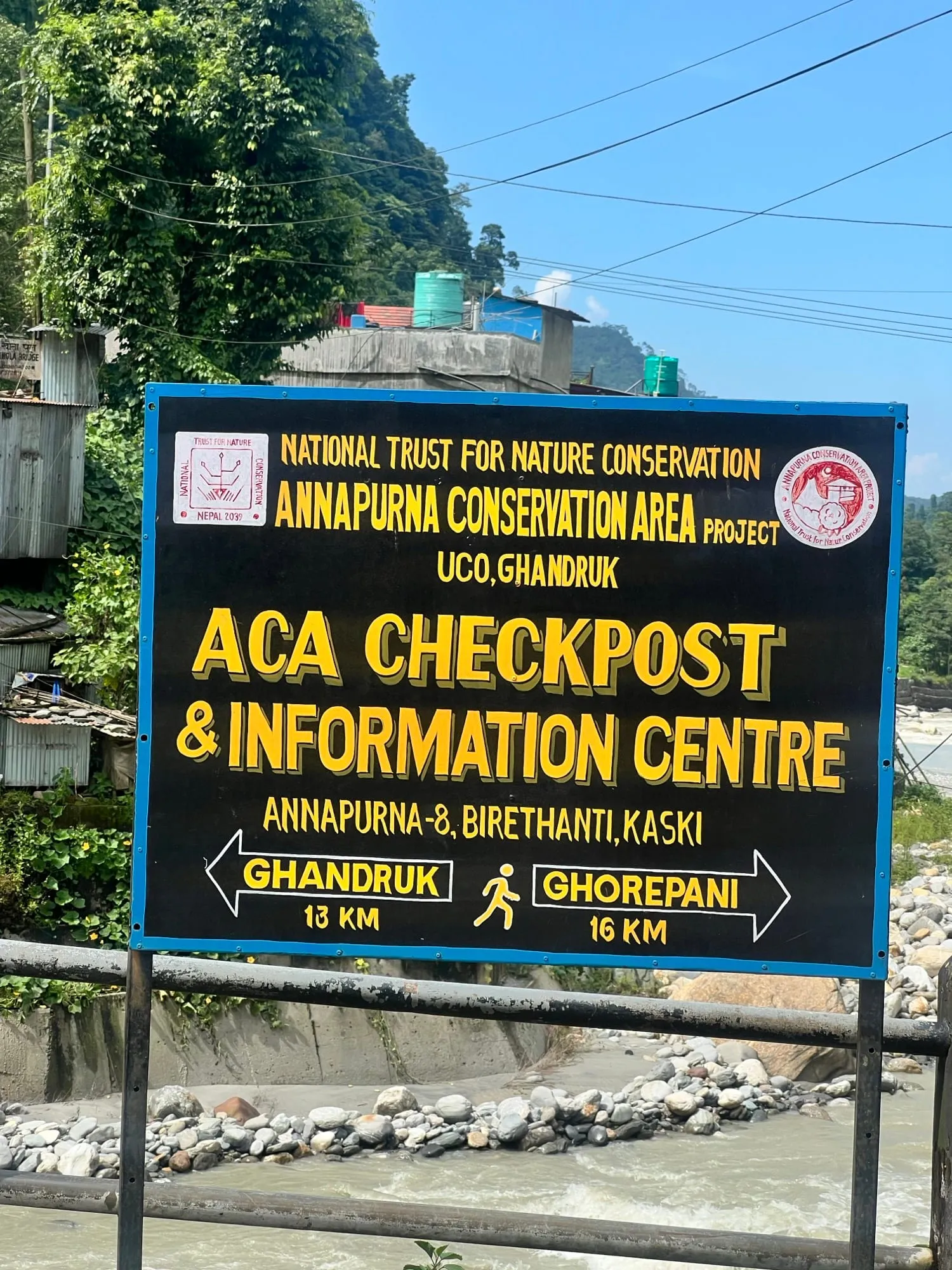
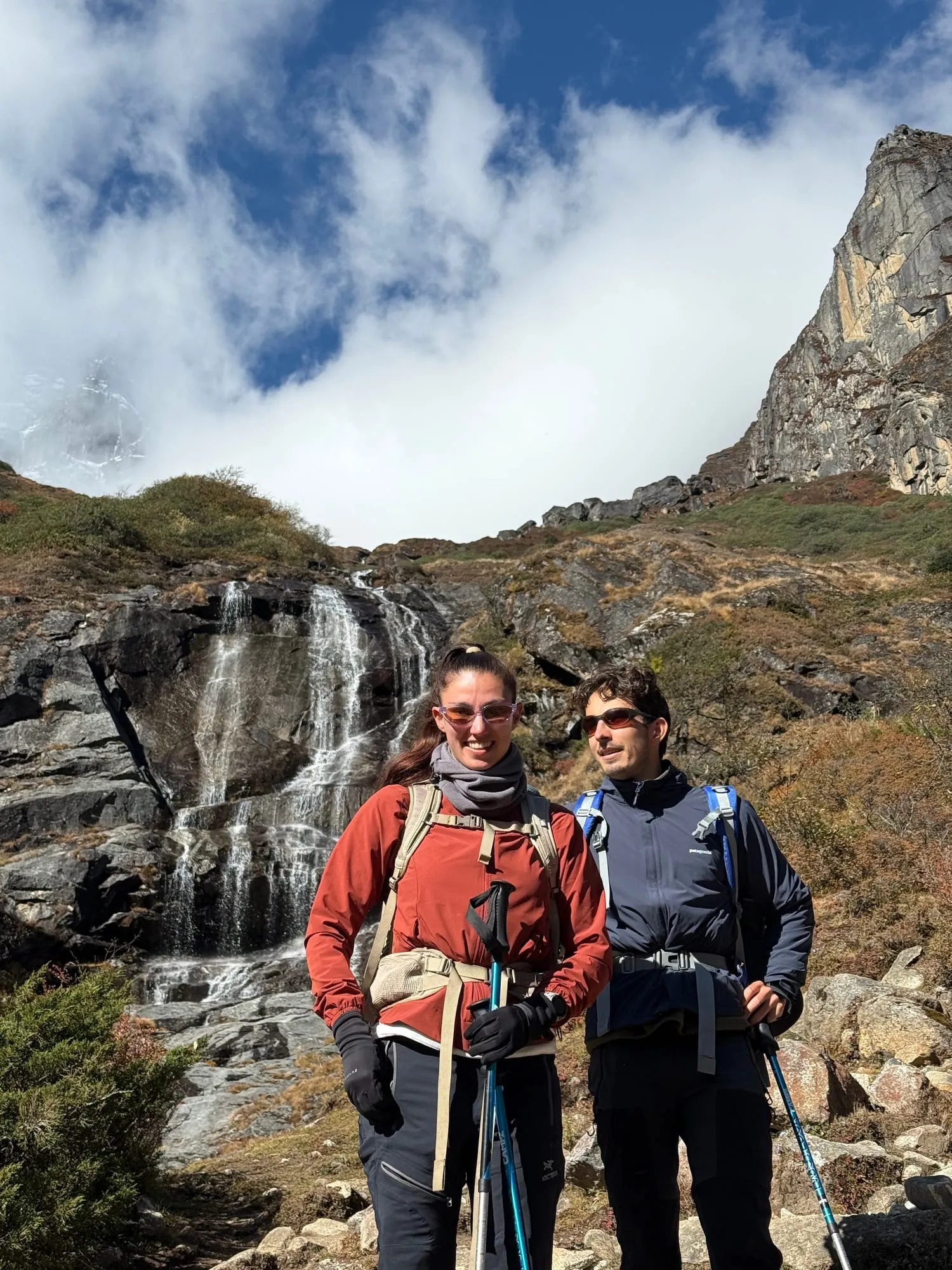
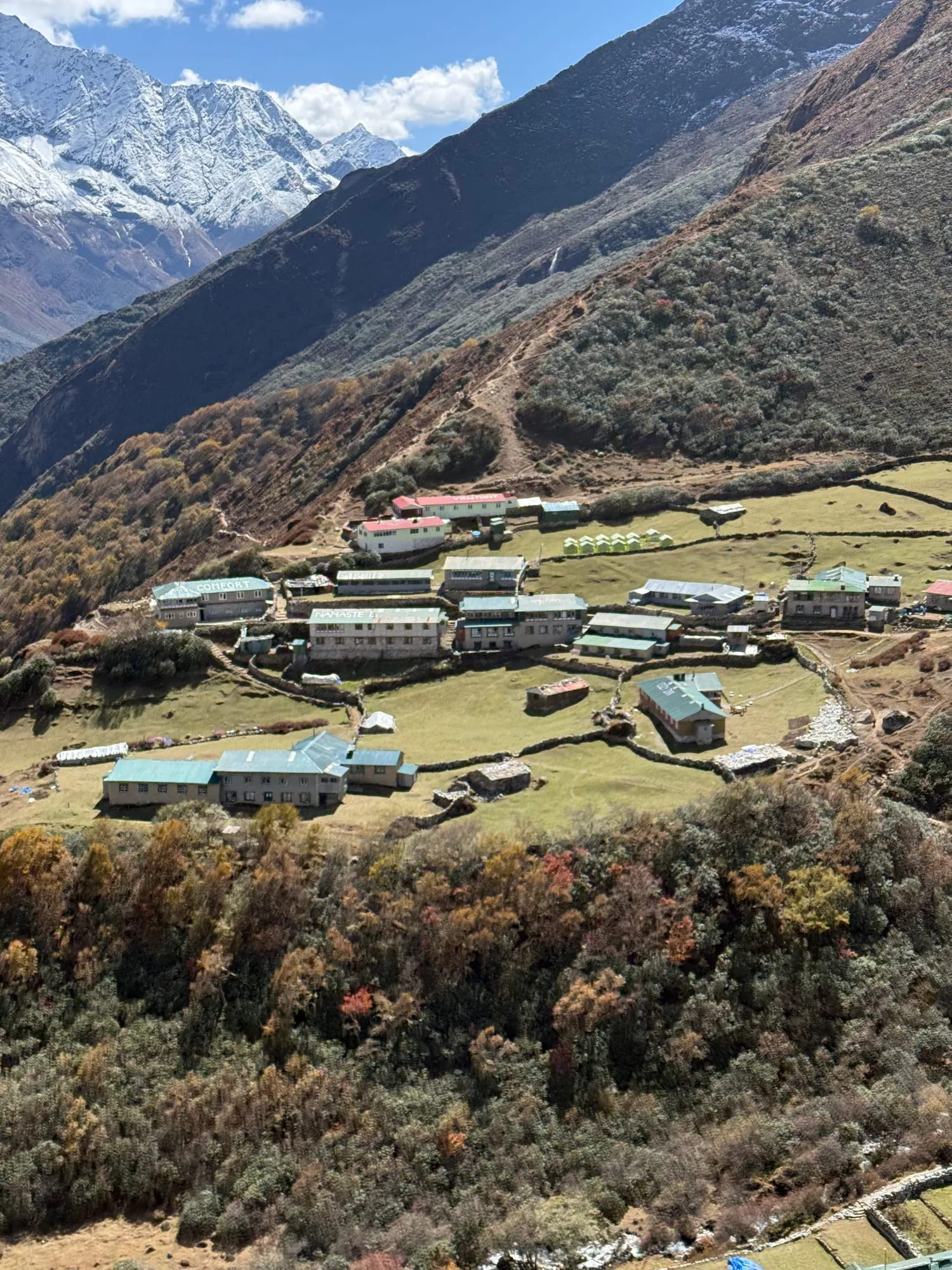
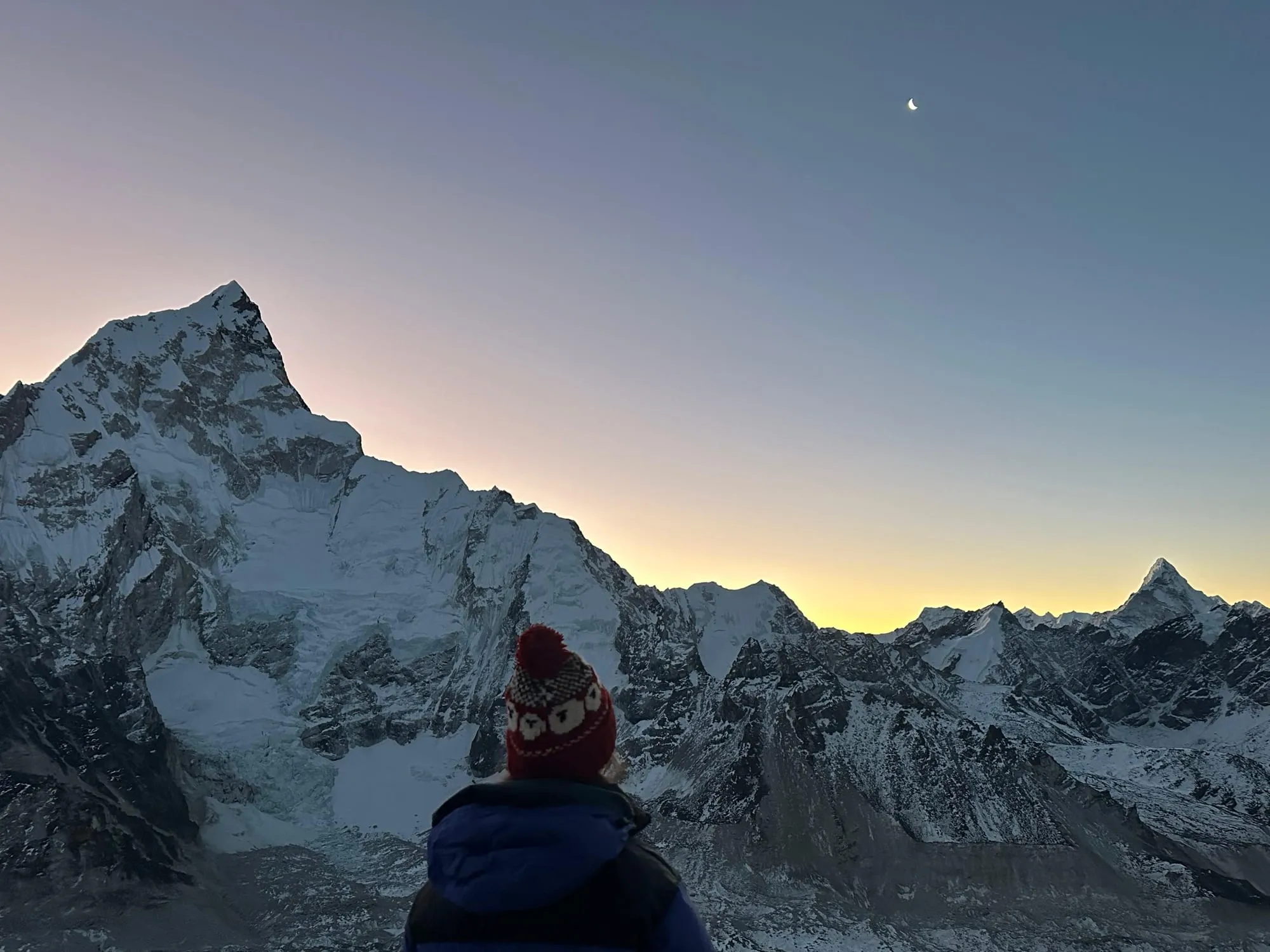
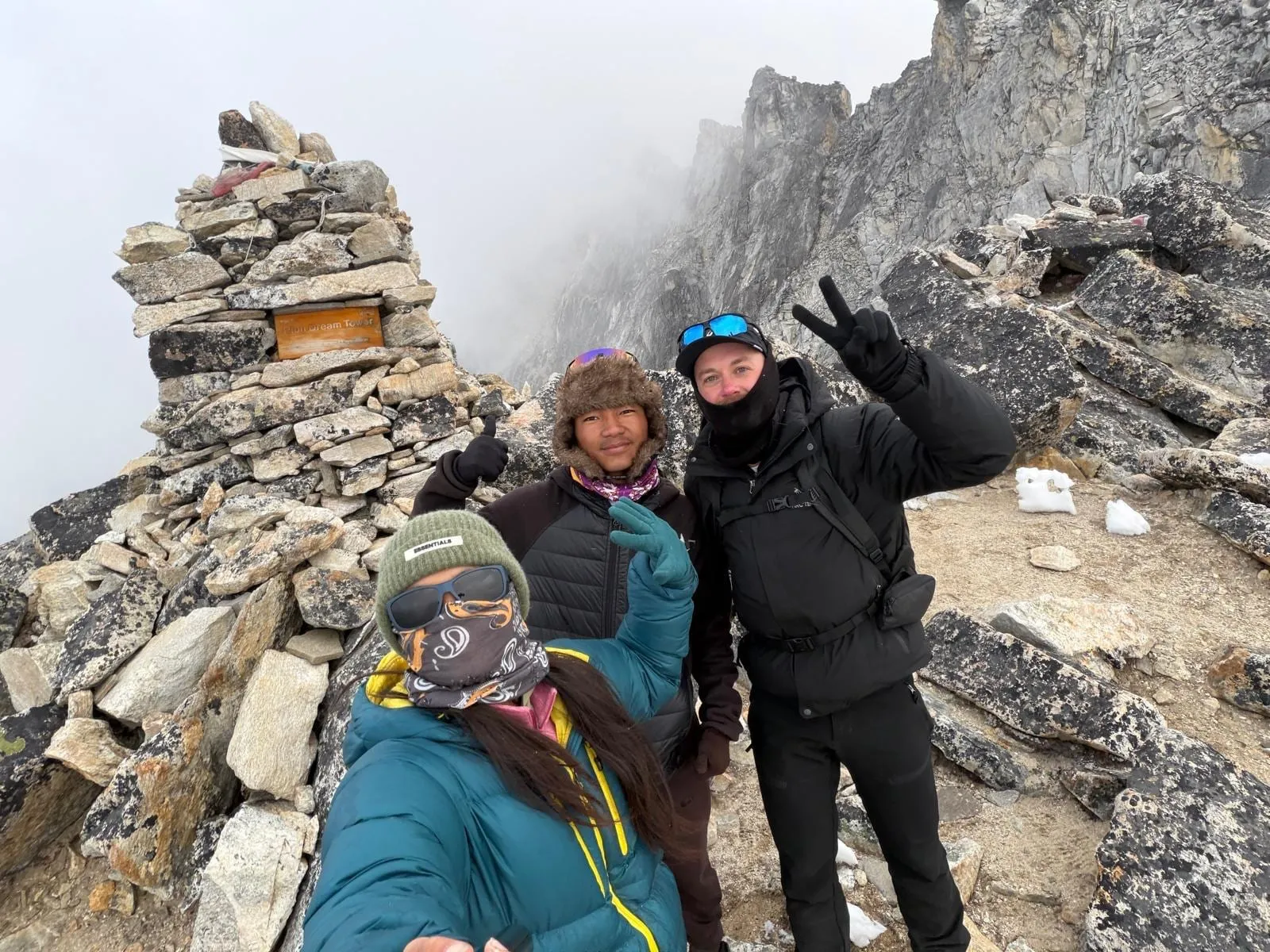
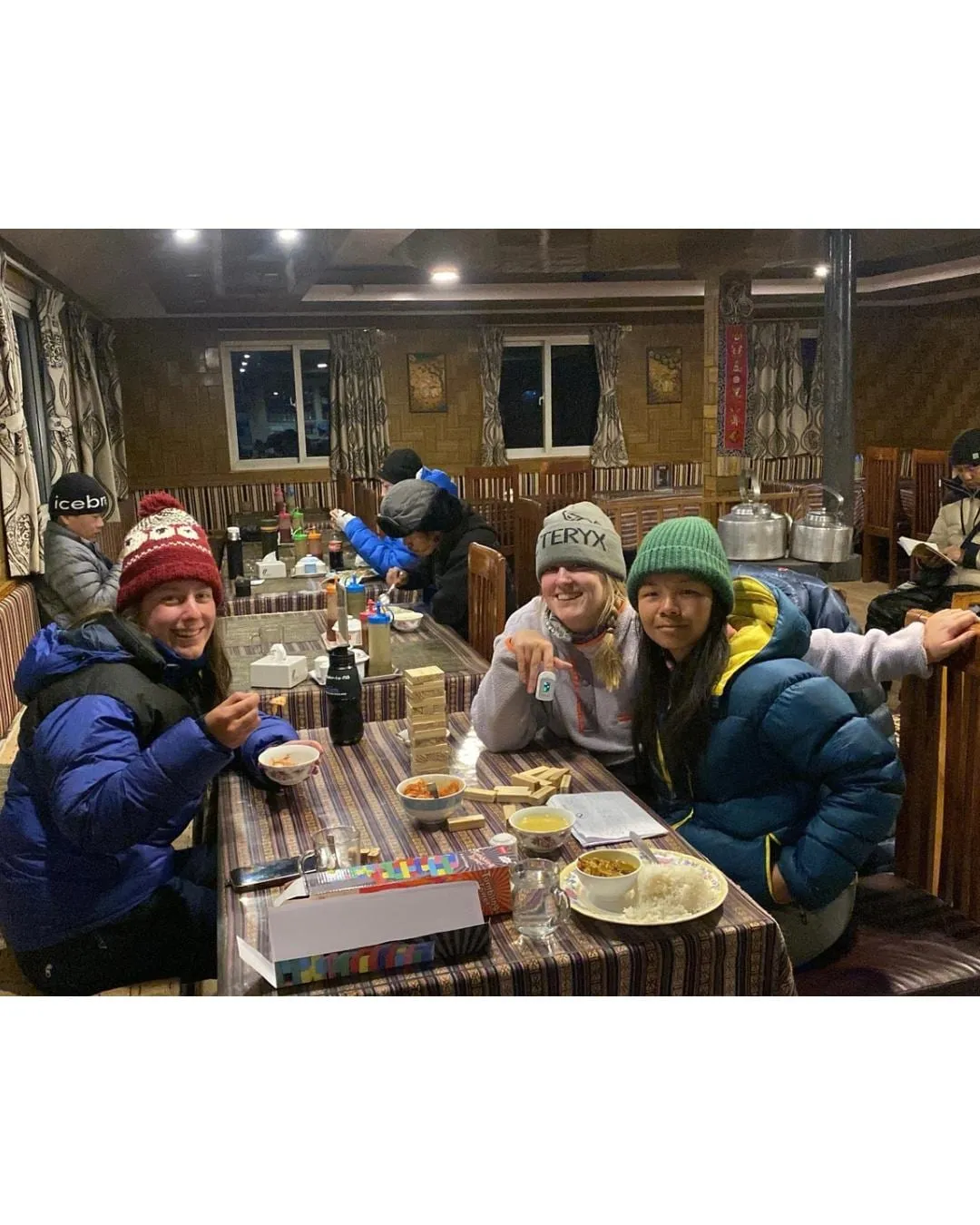
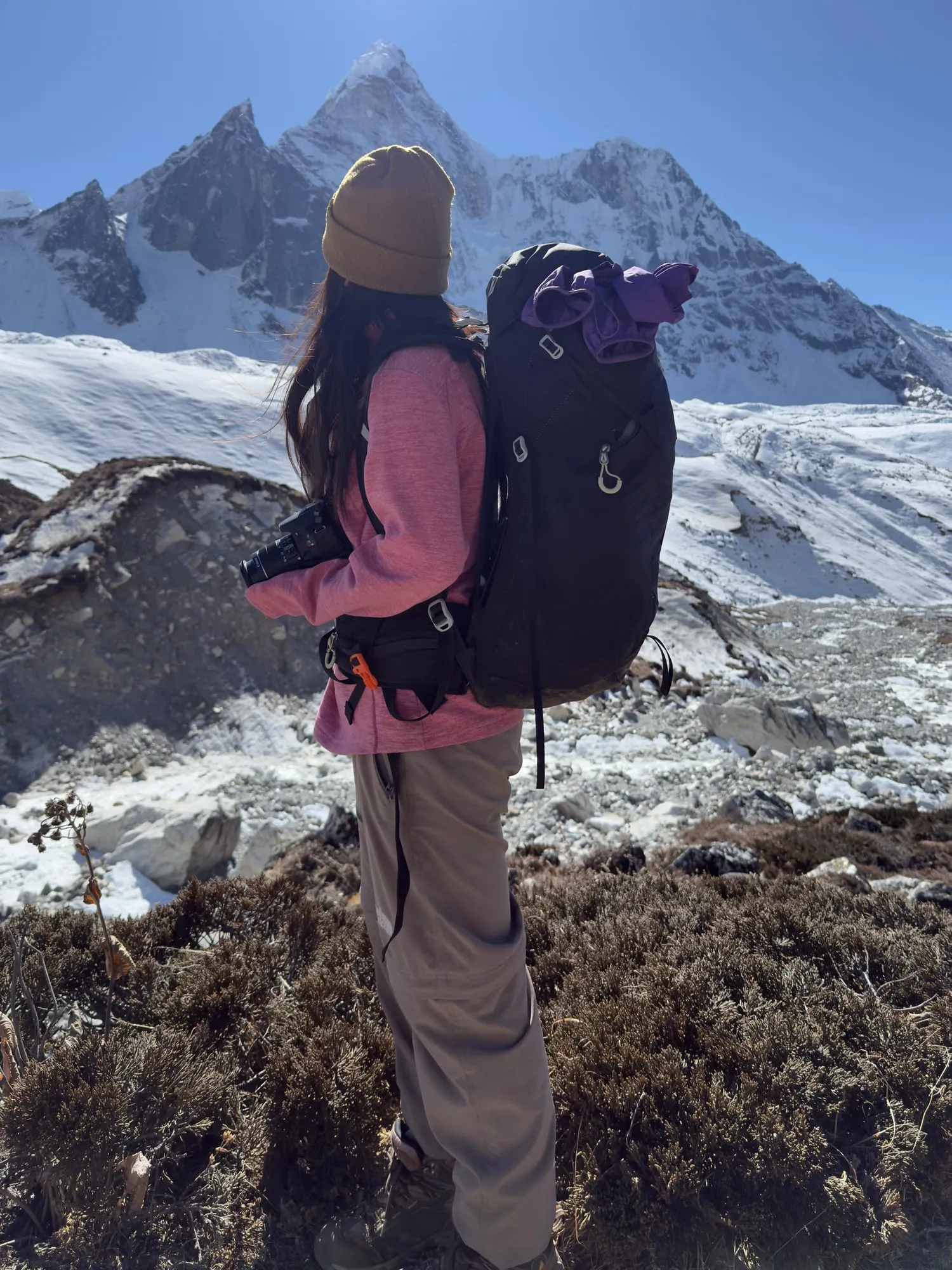
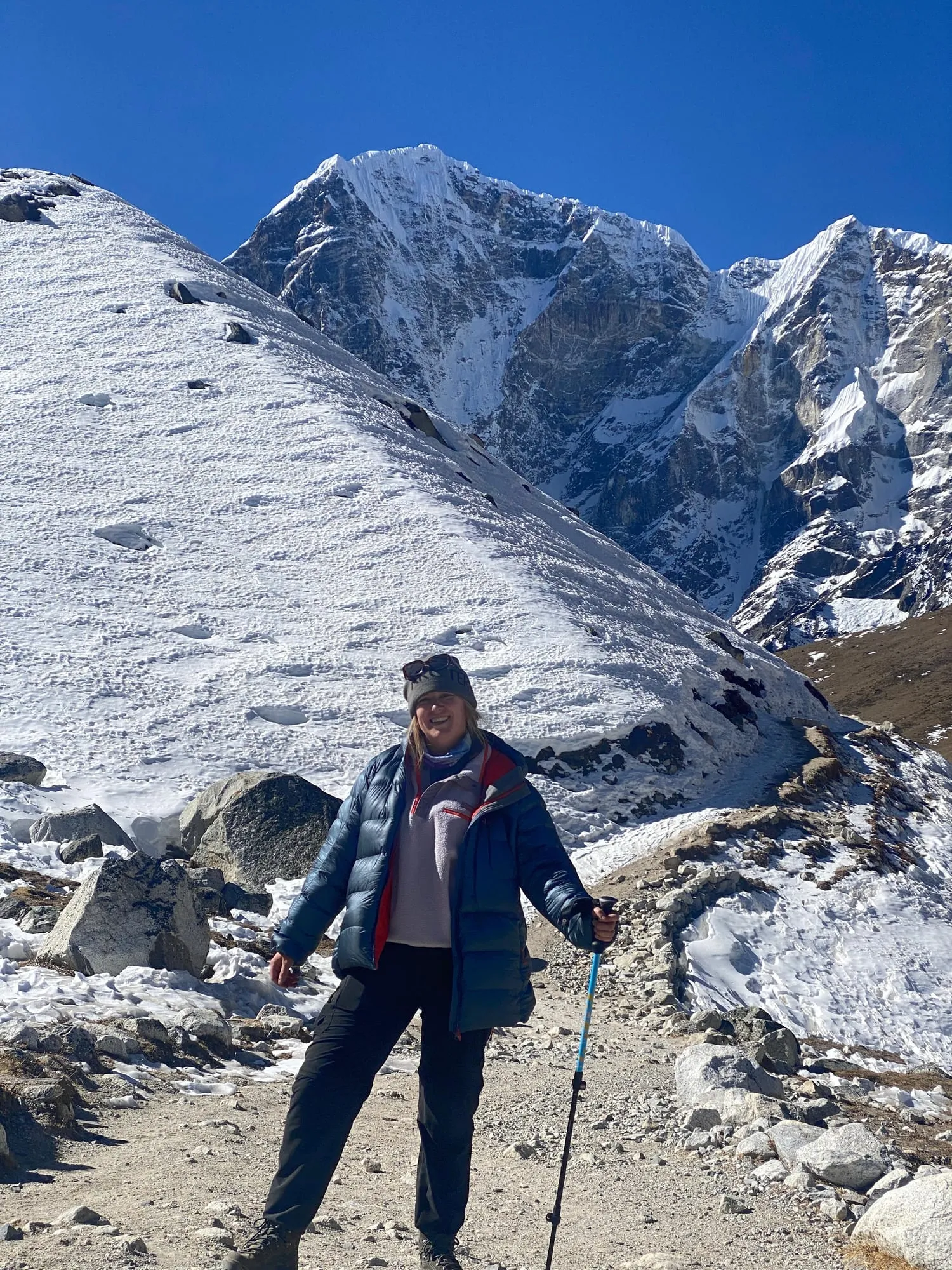
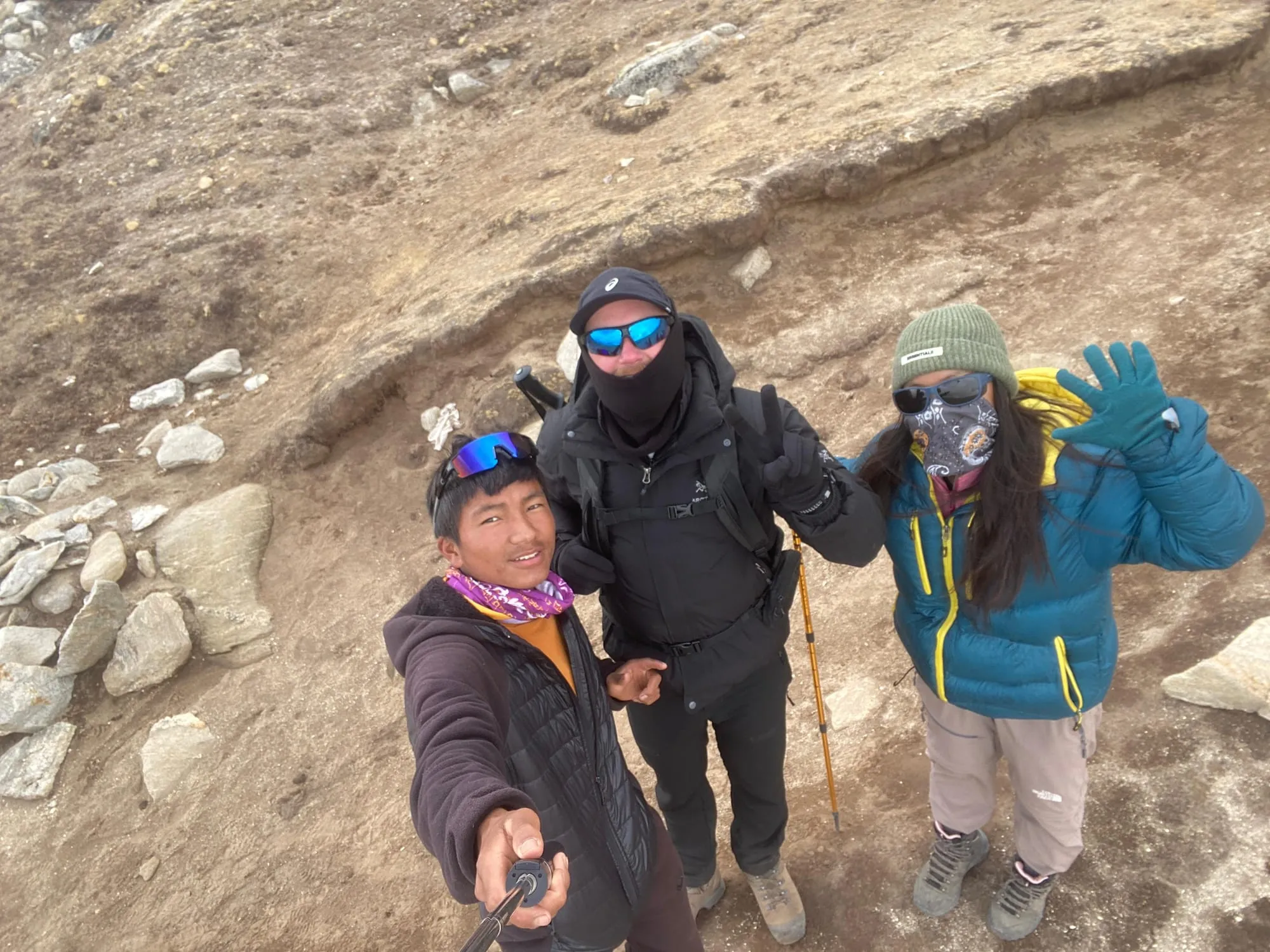
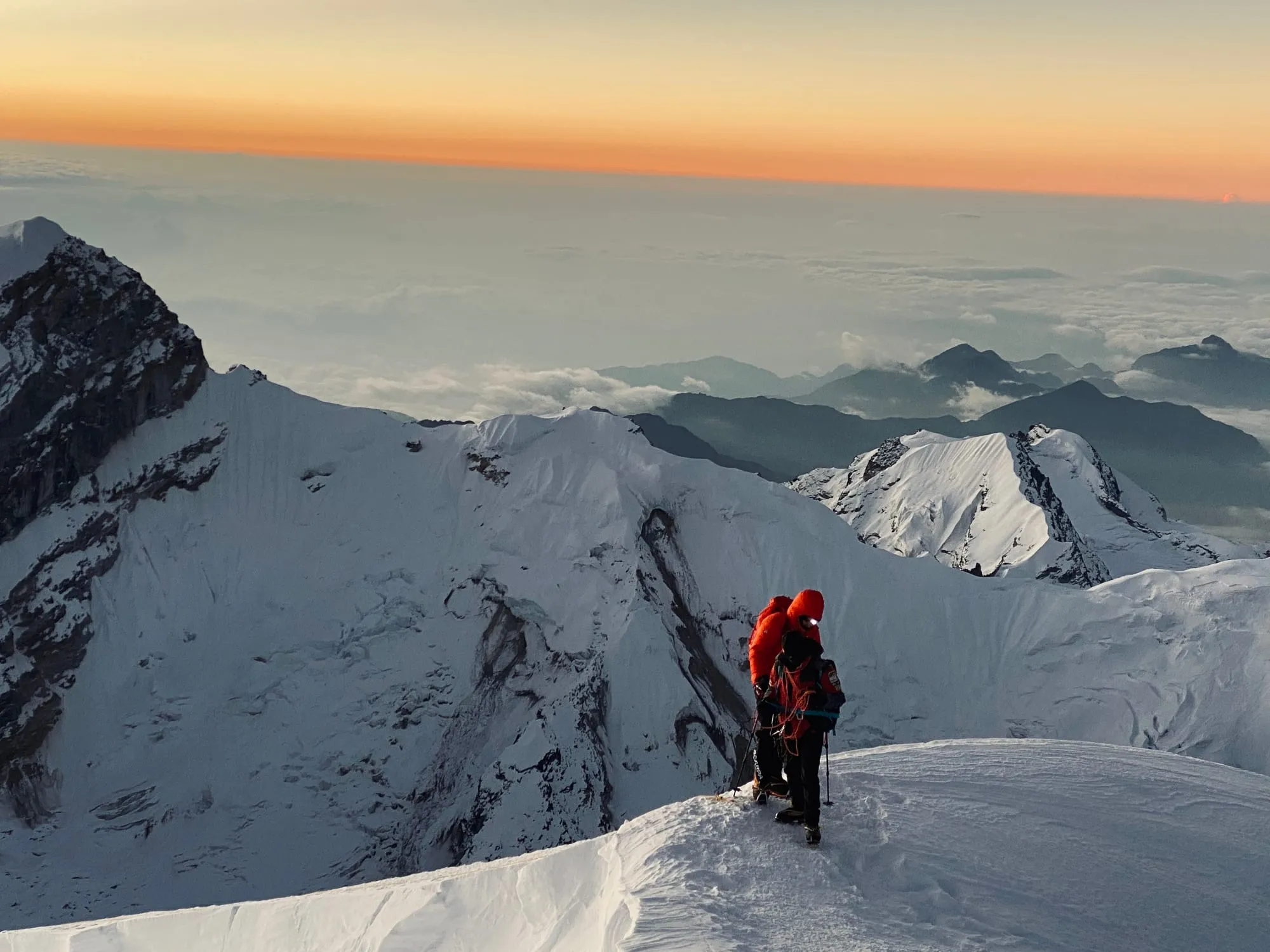
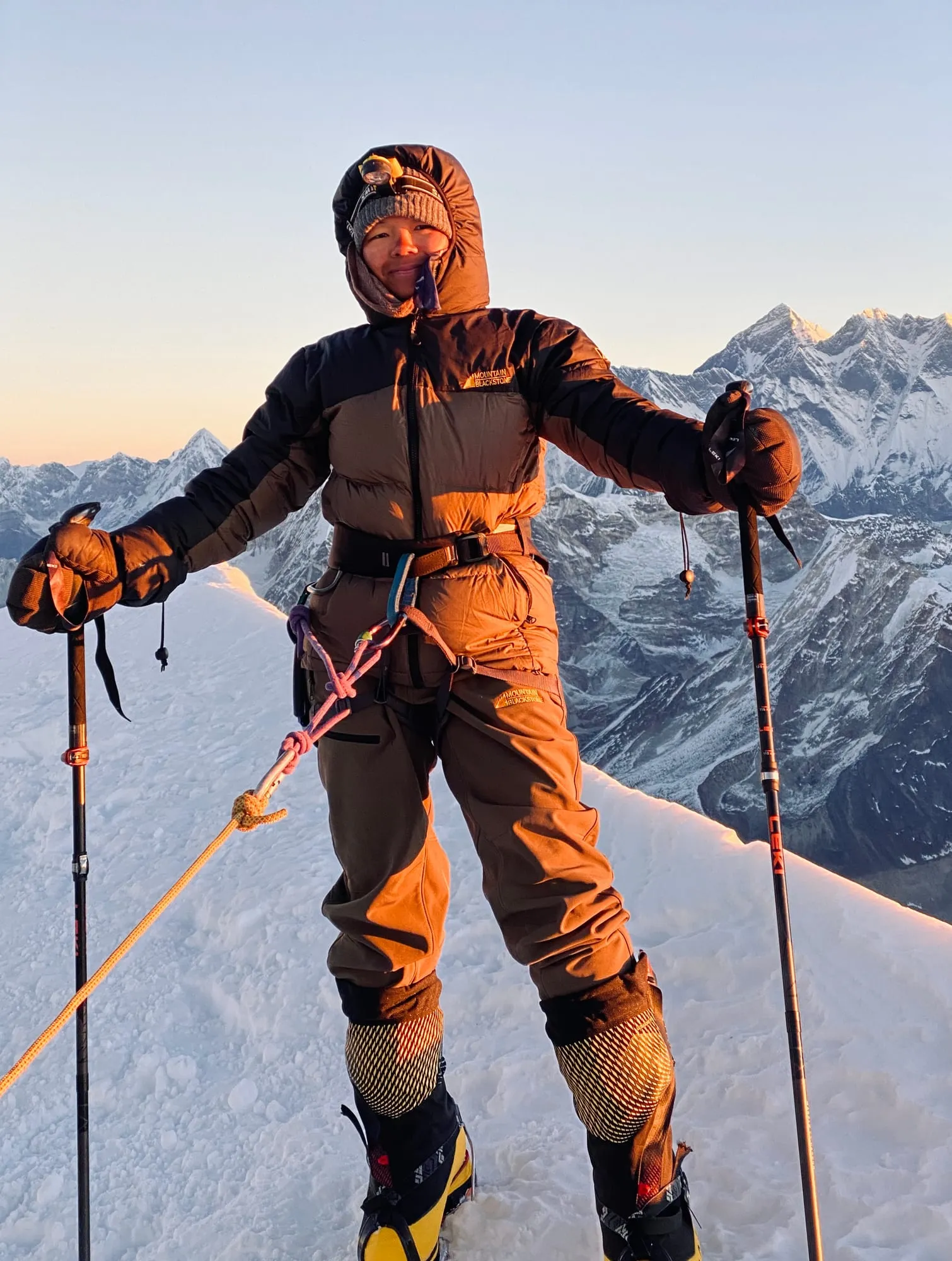
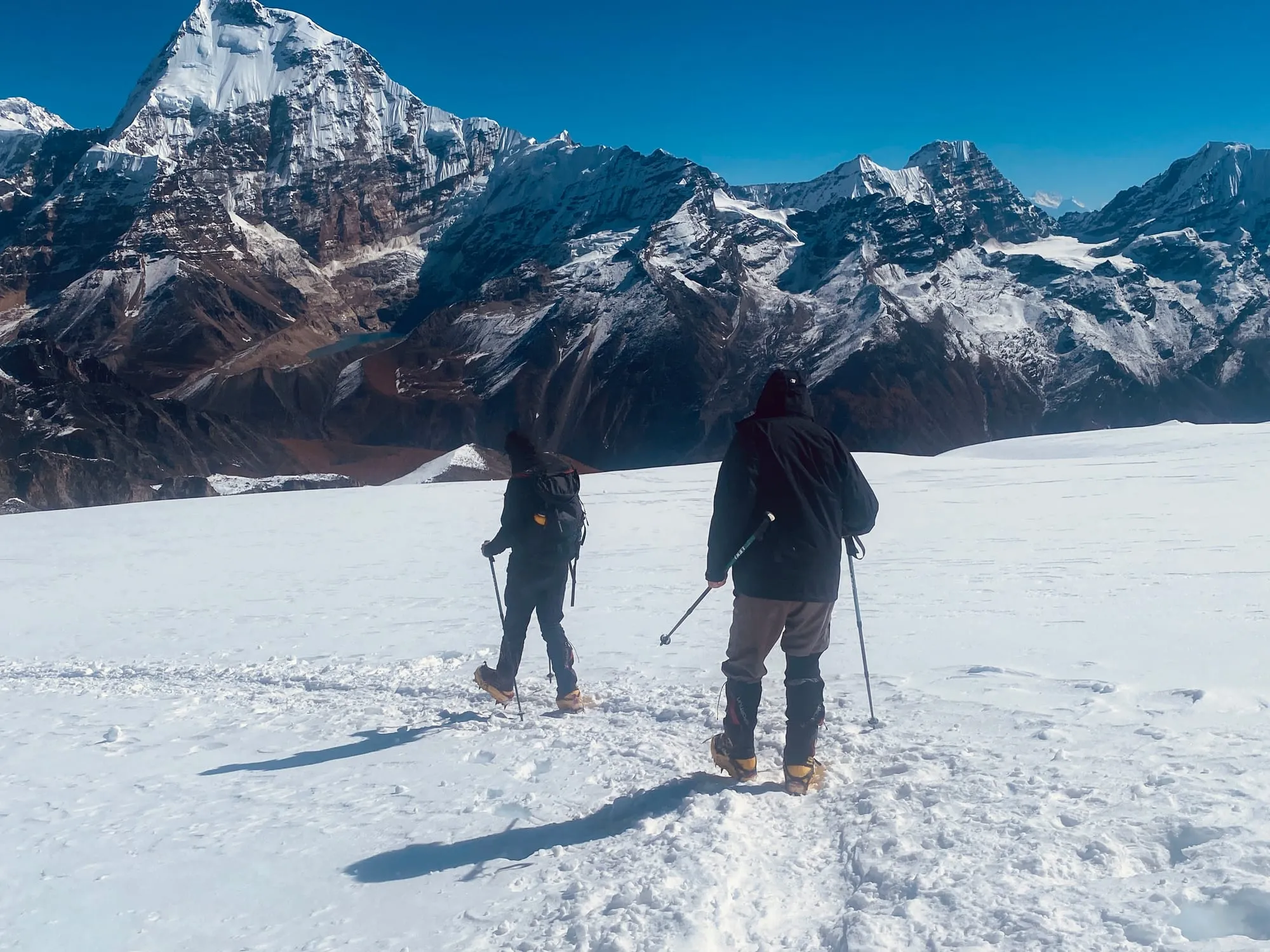
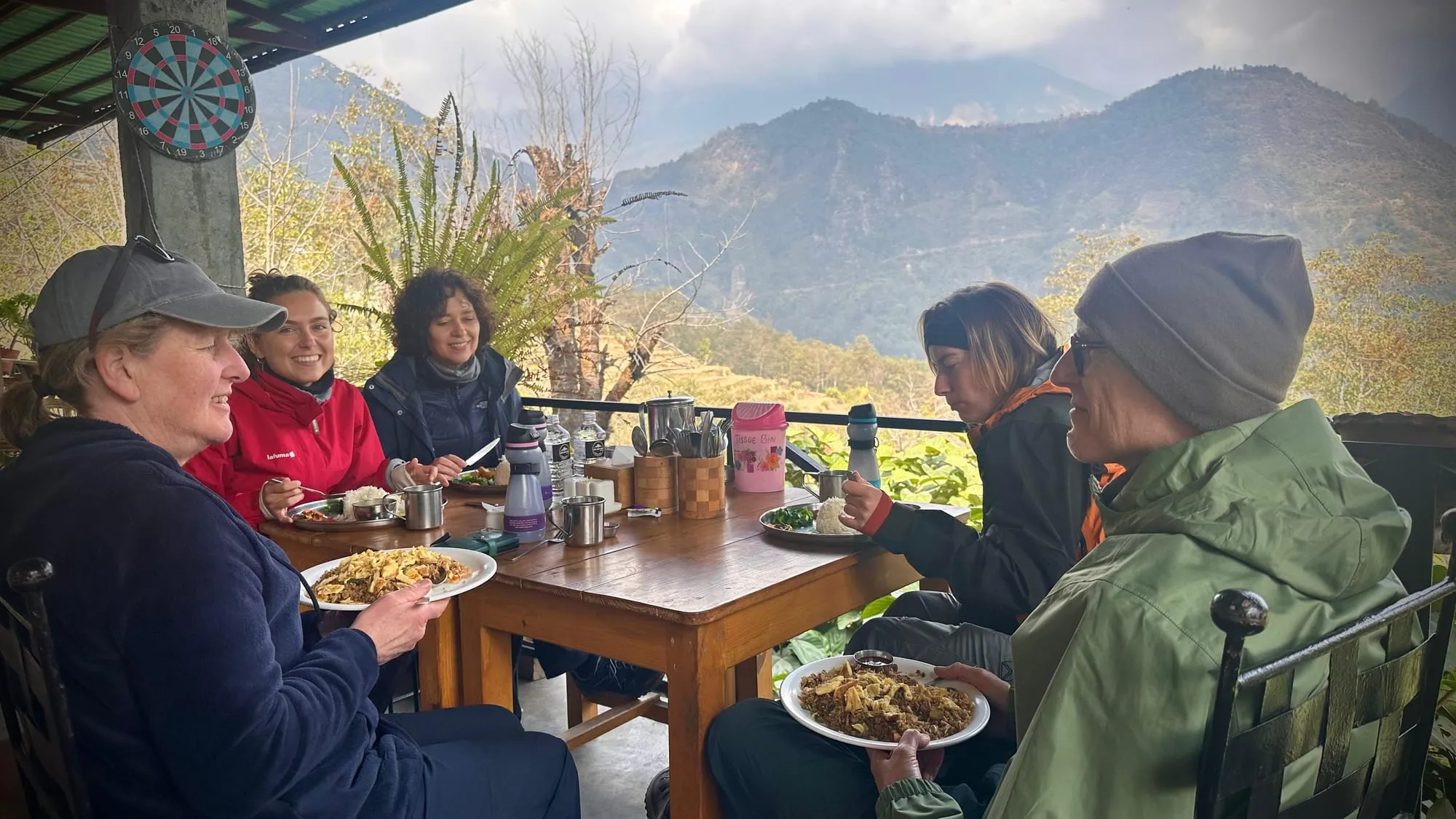
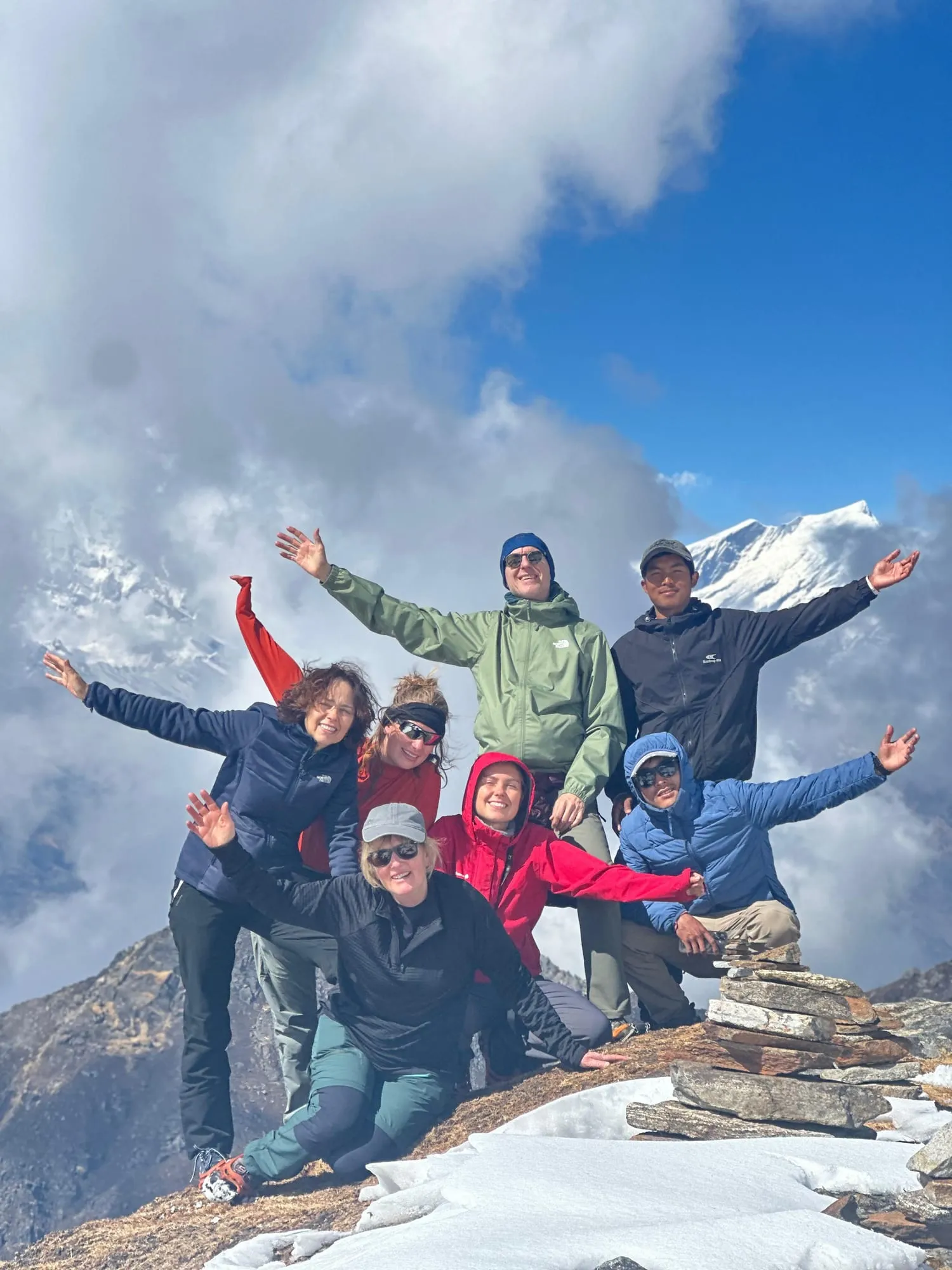
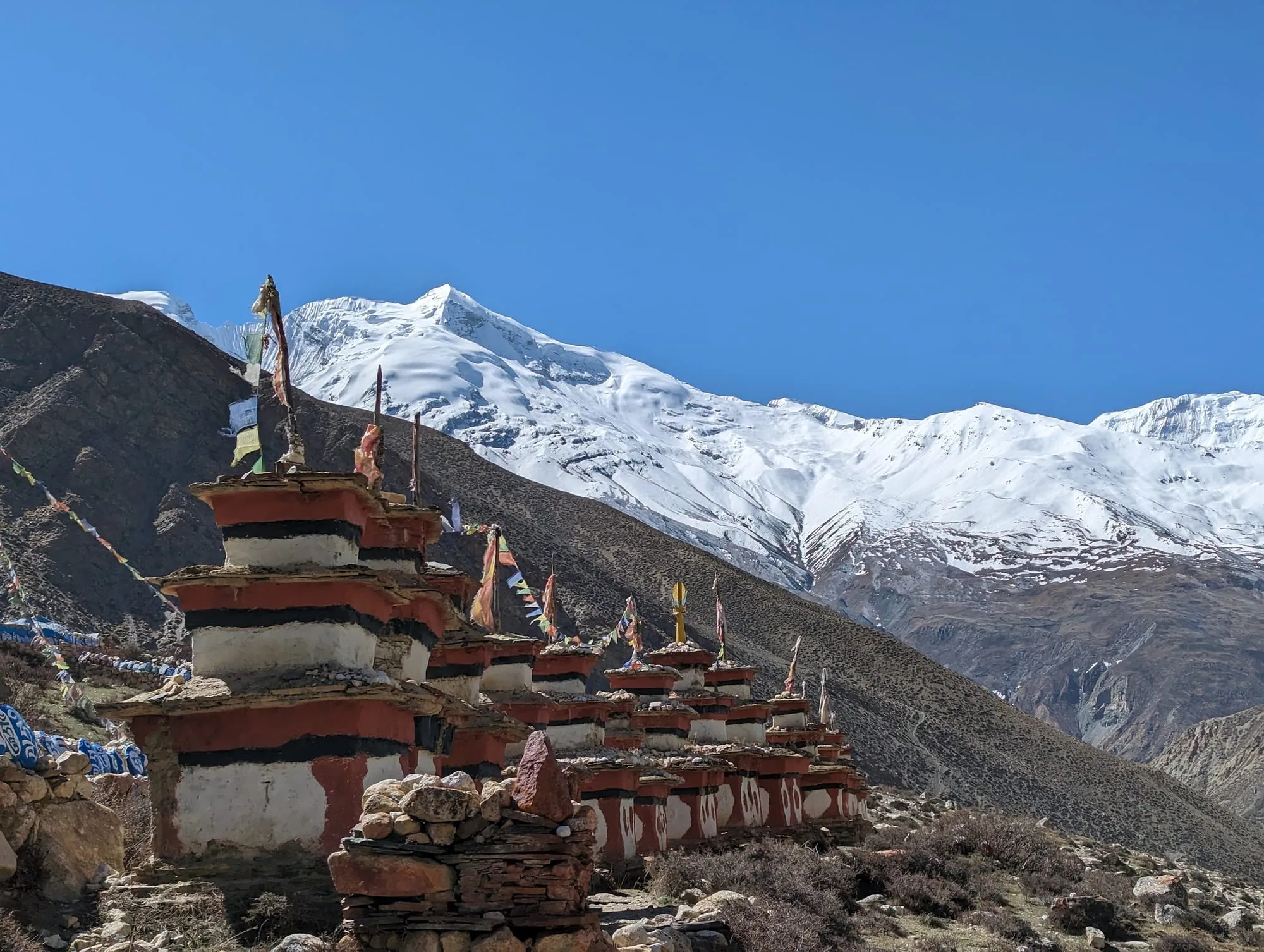
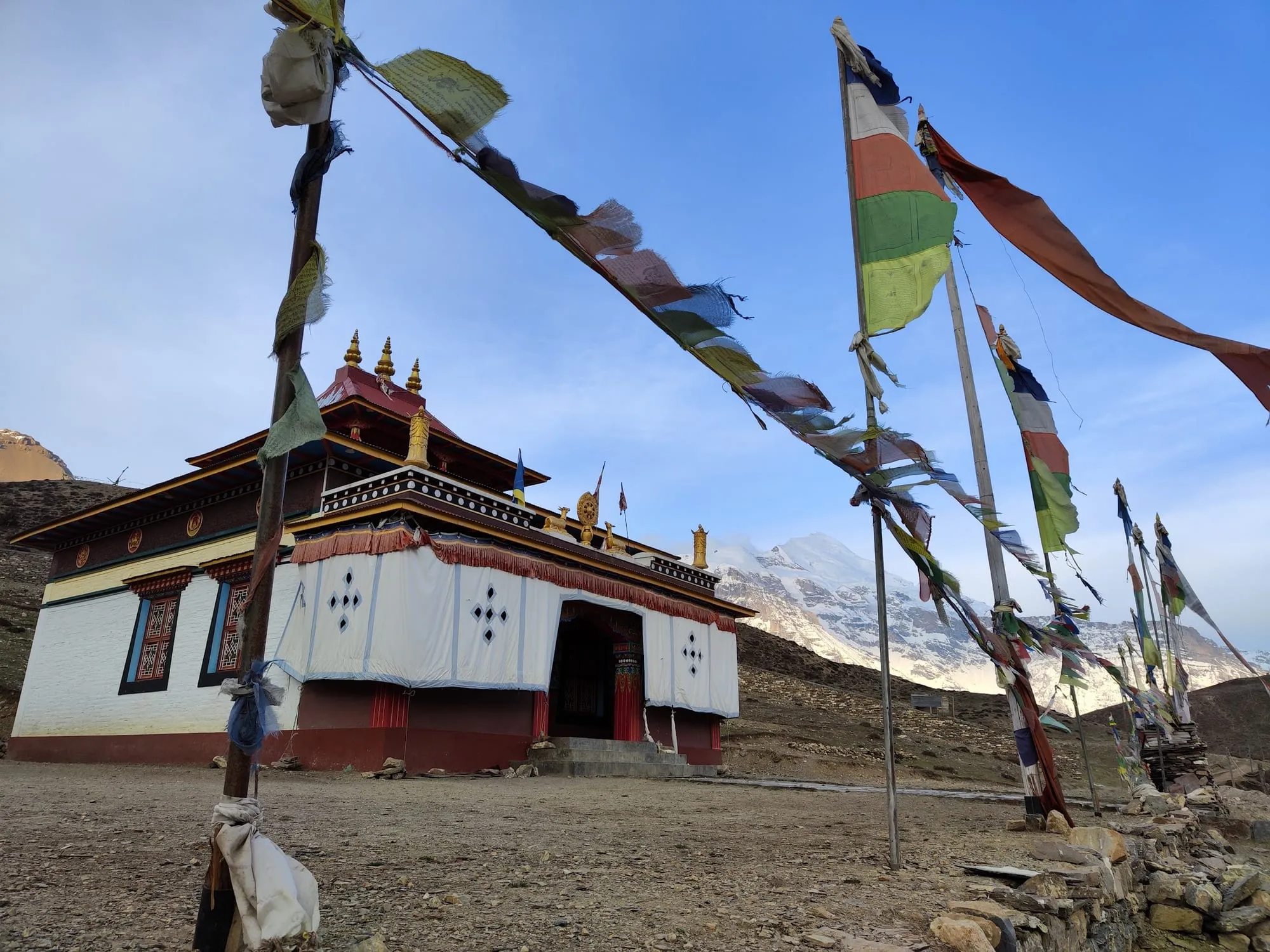
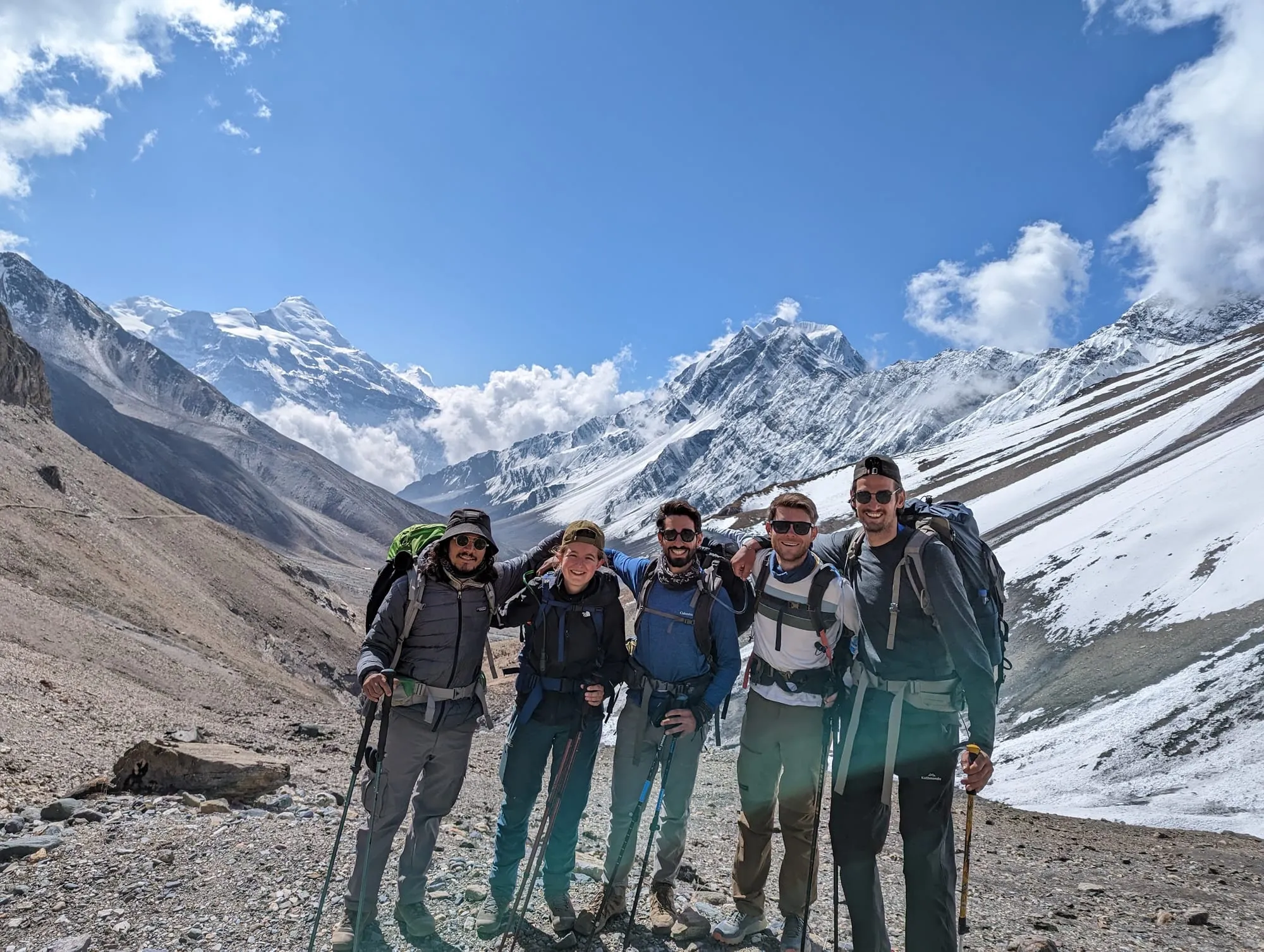
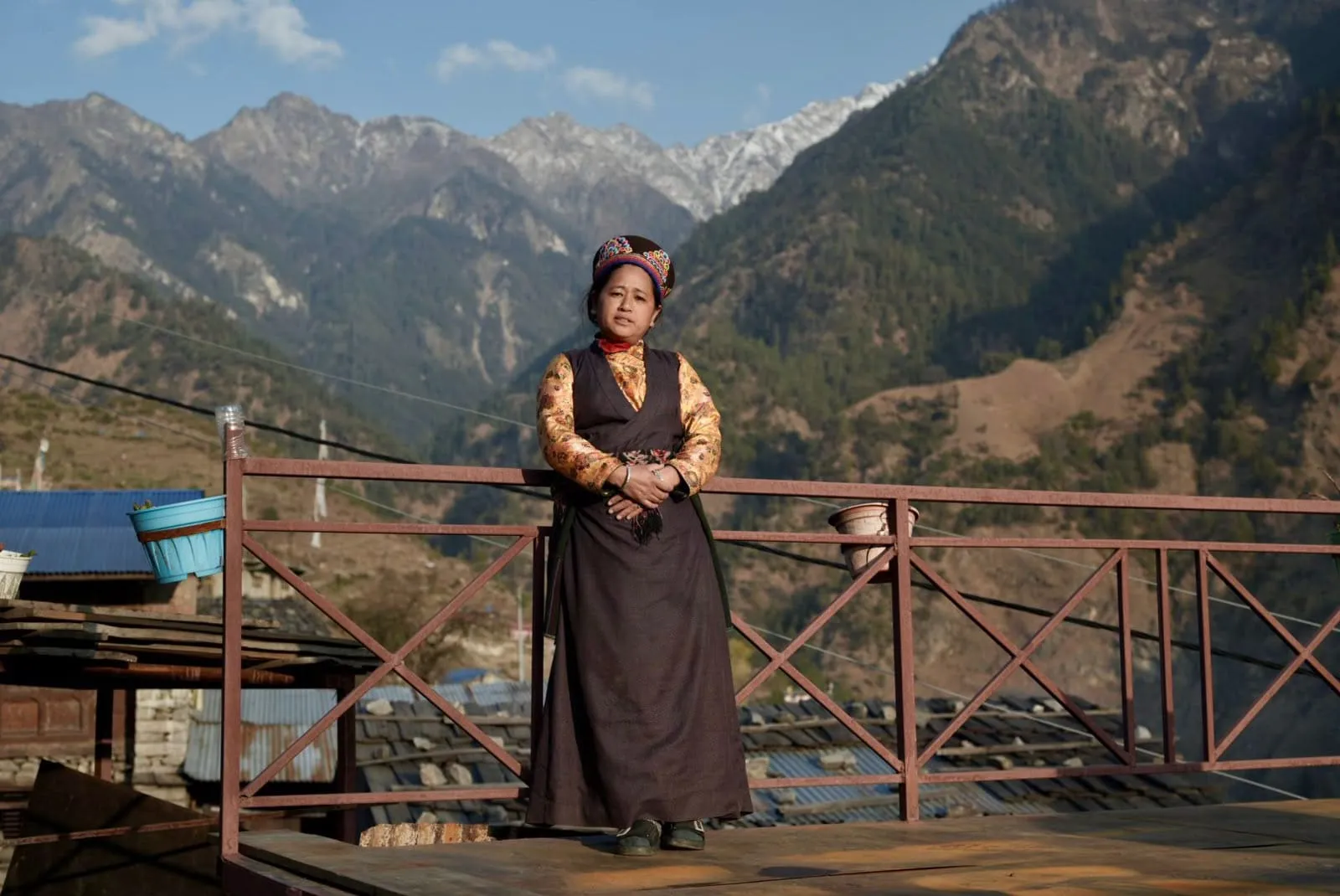
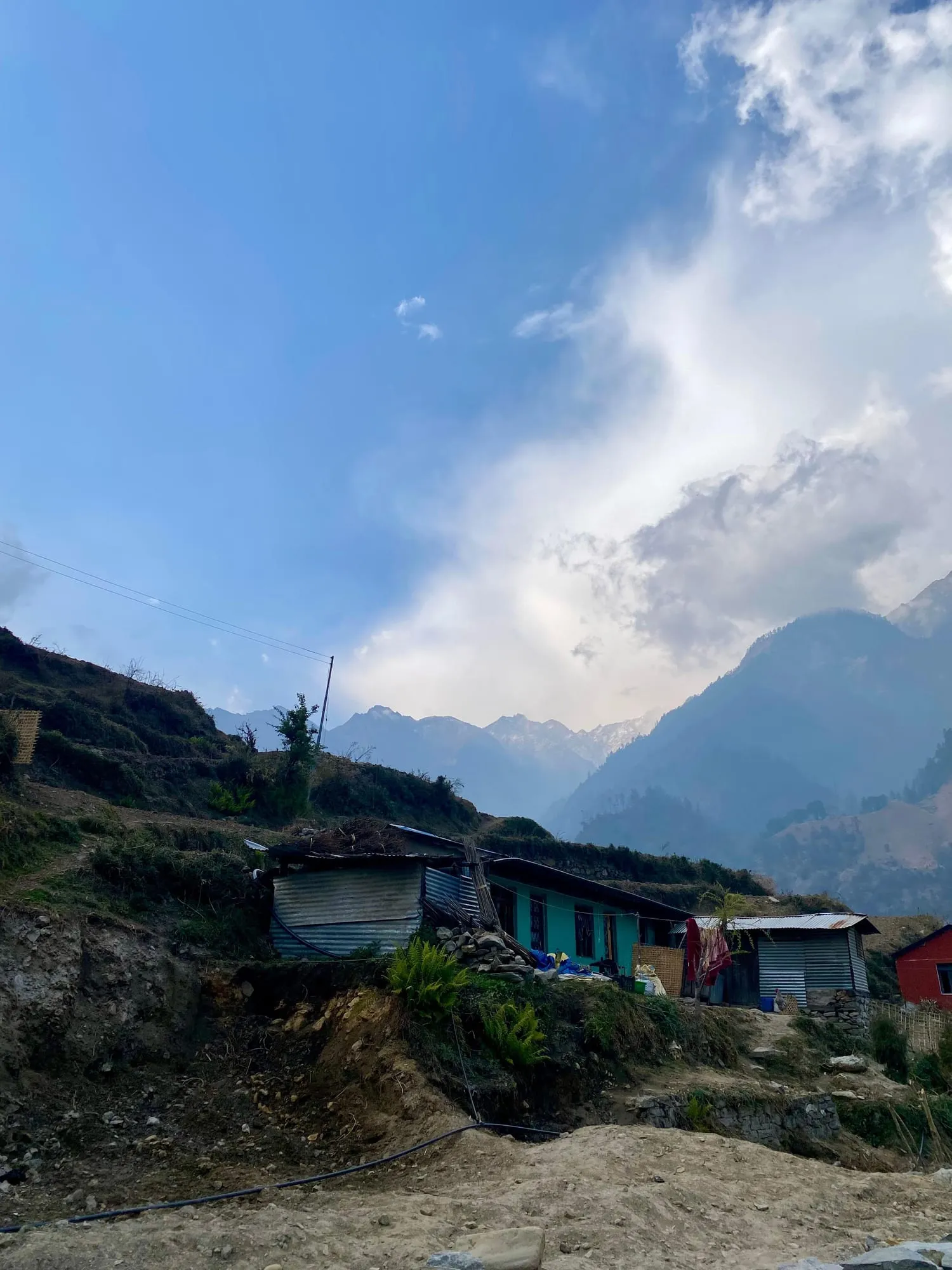
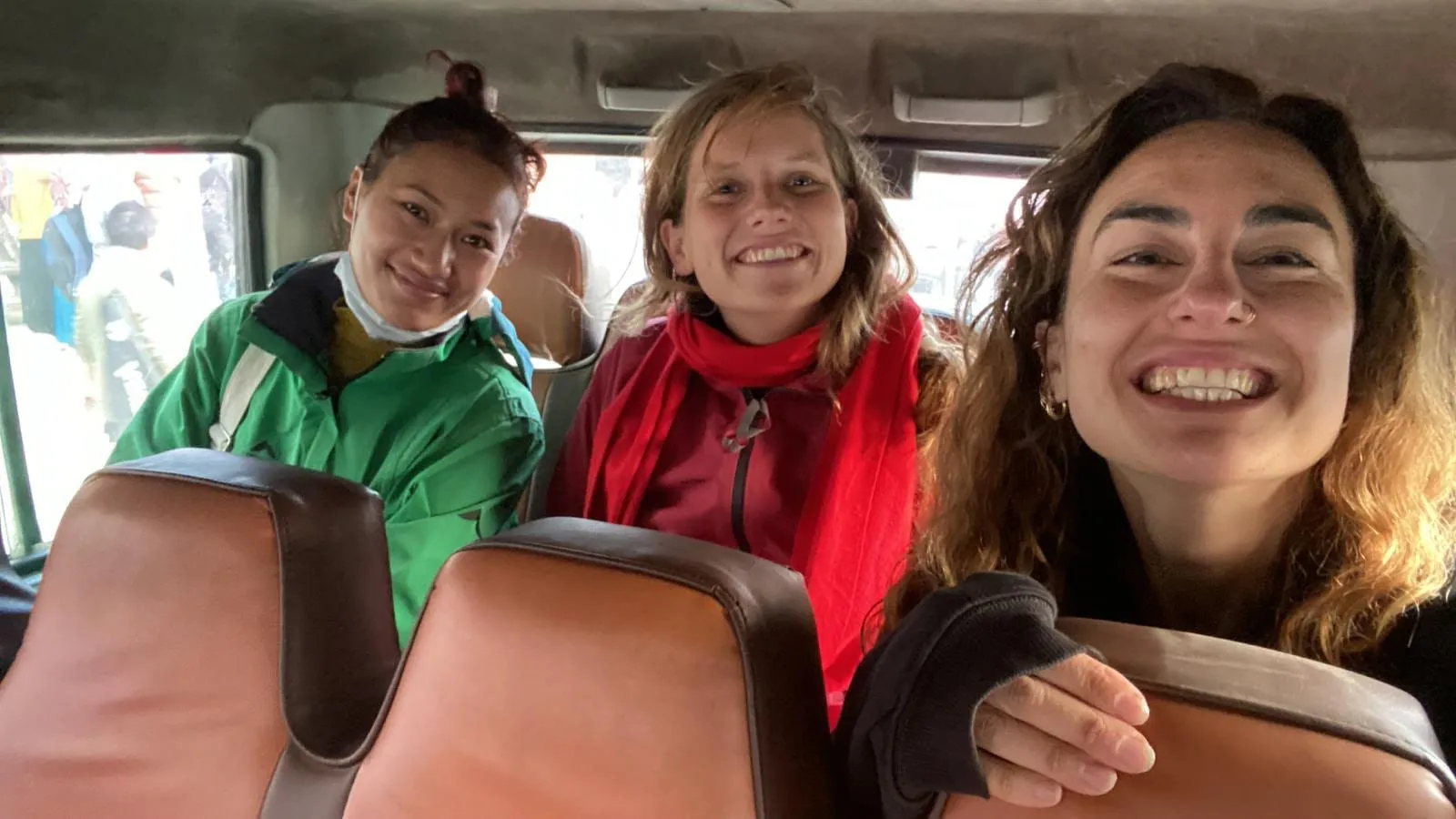
Giving back to local communities
Small Steps, Lasting Change
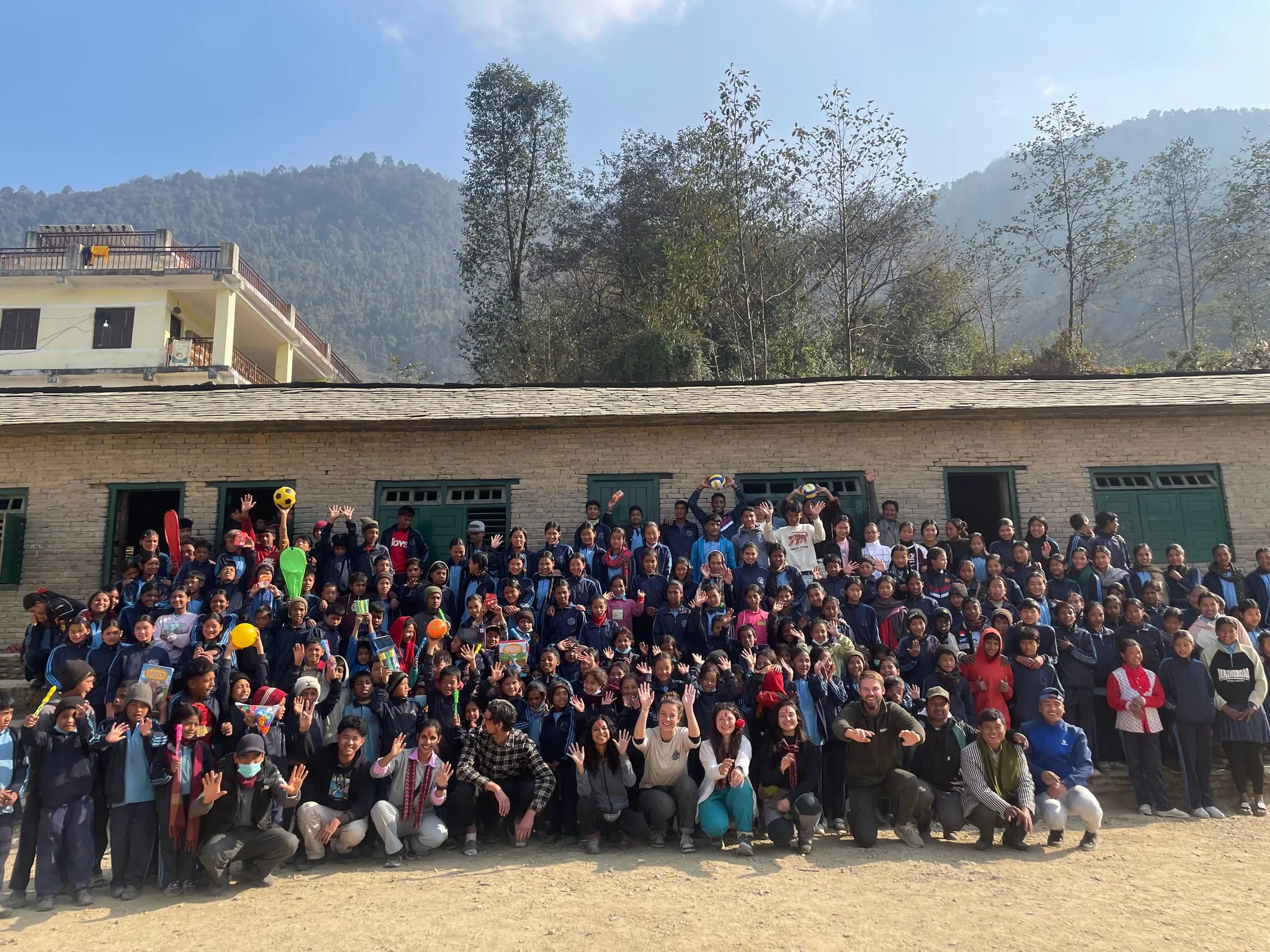
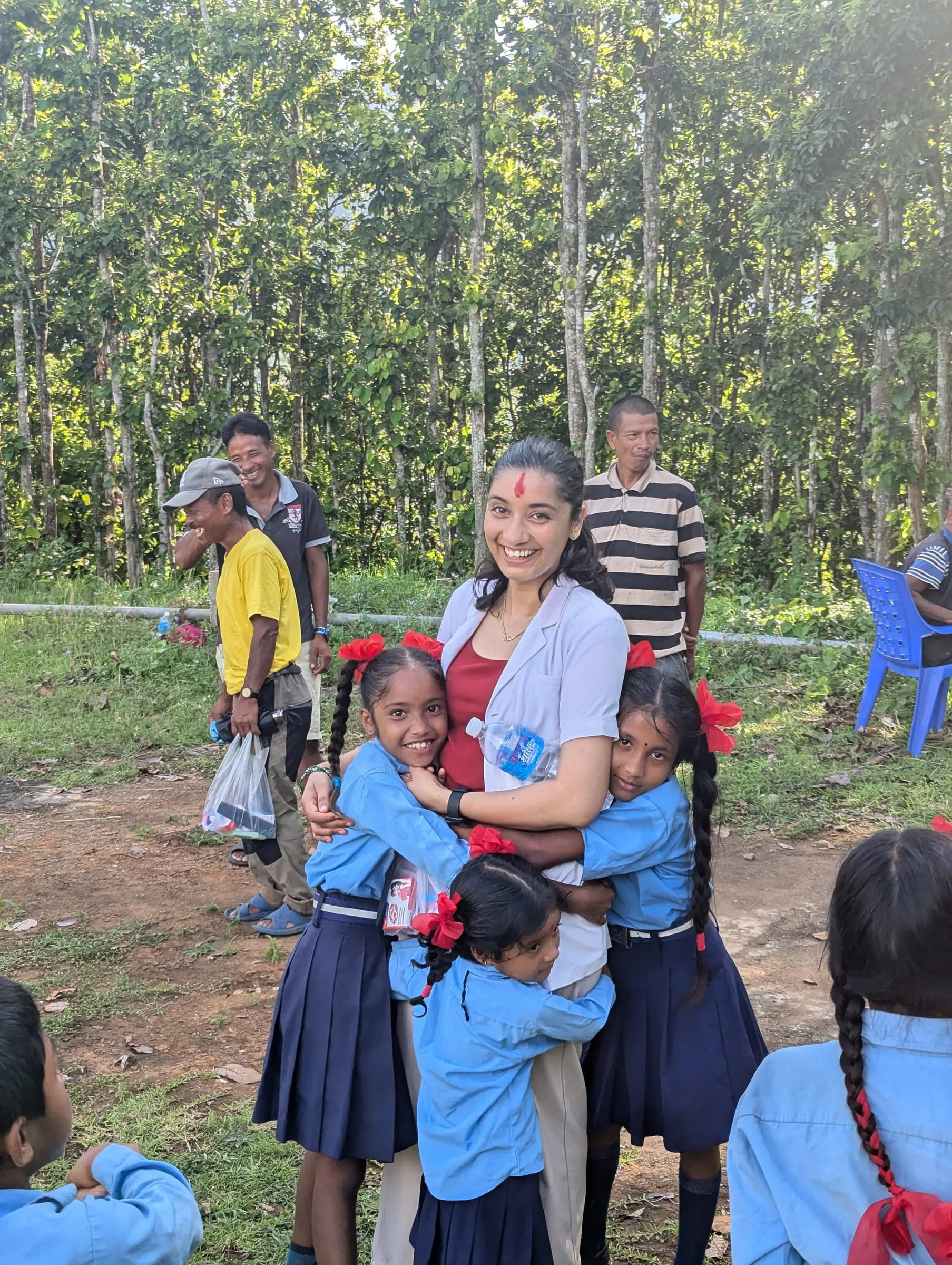
Our community journey began in August 2024 at Darbar Primary School in Gorkha. One of our guests had visited the school, seen its needs and wanted to help but wasn’t sure where to begin. Together, we organised our first free health camp for the children. That small beginning inspired us to do more for the communities along the trails we walk.
Soon after, we stumbled upon Ruma, a beautiful Magar village in Myagdi, with Dhaulagiri rising behind it. The warmth of the people stayed with us, but so did the growing problem of plastic waste. We began with awareness sessions and village clean-ups led alongside local children which was super successful. Over time, the project grew to include more than 200 locally made bamboo baskets throughout the village for separating waste.
Since then, our work has expanded to health camps, medical equipment, school supplies, a free community library and volunteer-led programmes where people can share skills that genuinely benefit the village. These projects are still growing, and every trek with 8Mountains helps them continue.
A big portion of our profits goes back into this work so your journey through Nepal can leave something meaningful behind.
Volunteer
Stay a little longer
Some people stay on after the trek. You can help with English classes at the school, teach something at the community library, join a cleanup, or work with the health posts if you are medically trained. Tell us what you can do and we will see where it fits.
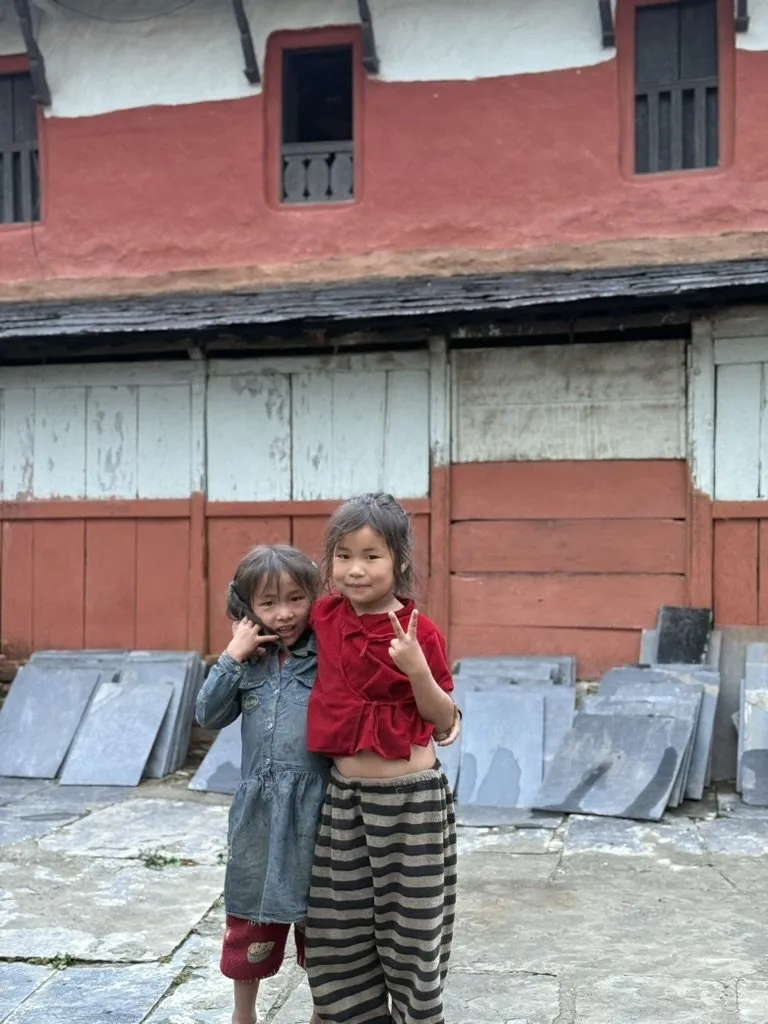
What people say
From those who walked with us
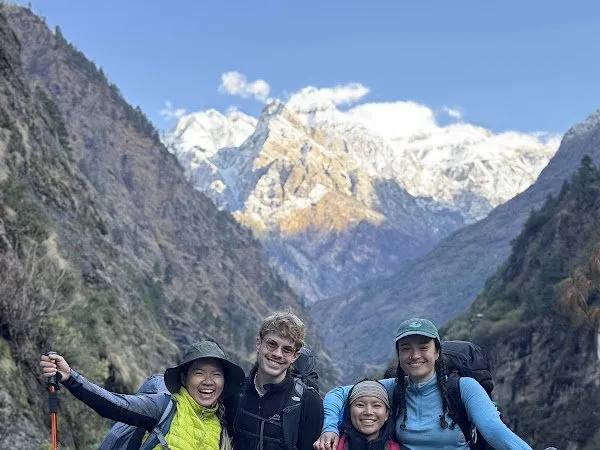
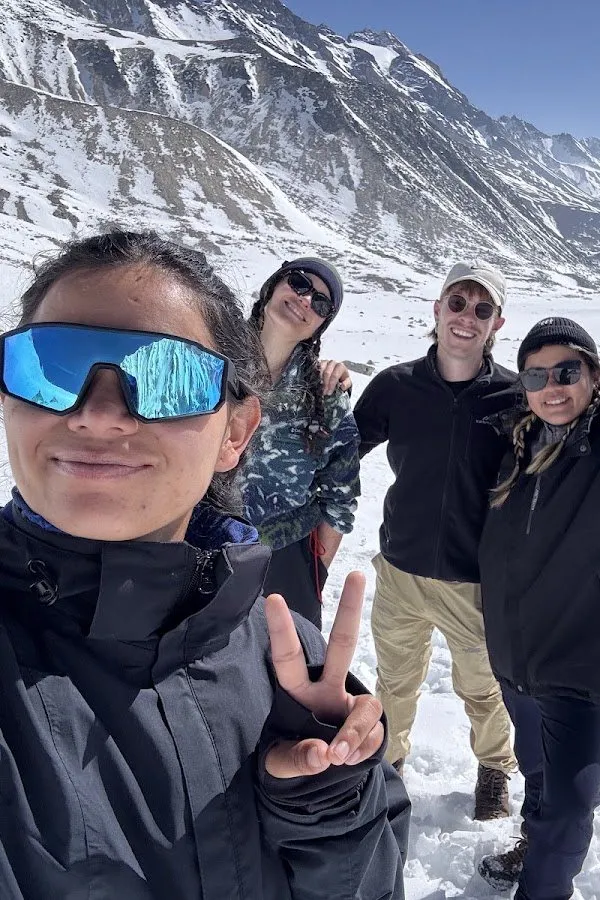
Amazing female owned company! We were deciding between multiple companies but were certain straight after entering 8mountains! The staff is very friendly and helpful, everyone speaks perfect English and Vivi explained everything that we wanted to know straight away. Our lovely guide Sharmila was perfect match to our group and we had a wonderful time together. She s very sweet and kind but also super reliable and she always made sure we are okay and happy. We did Manaslu circuit and even though it had its challenges, we enjoyed it so much and had fun along the way. I m super grateful we got to do it together and highly recommend doing your next trek with 8mountains, not just to have a great trekking experience, but also to support a company of young people that are empowering women, supporting local communities and also making a difference!
See moreSee less
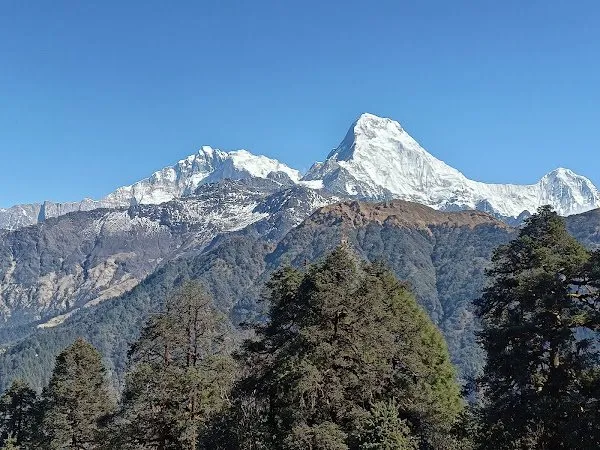
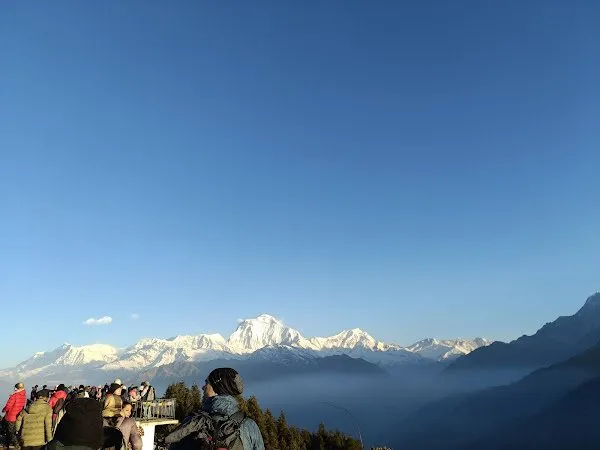
Incredible! Friendly and kind guides, and the team at the office made everything so easy from start to finish. Also so nice to see the company supporting local initiatives and women's empowerment. I'll be sure coming back for all my future treks!!!!
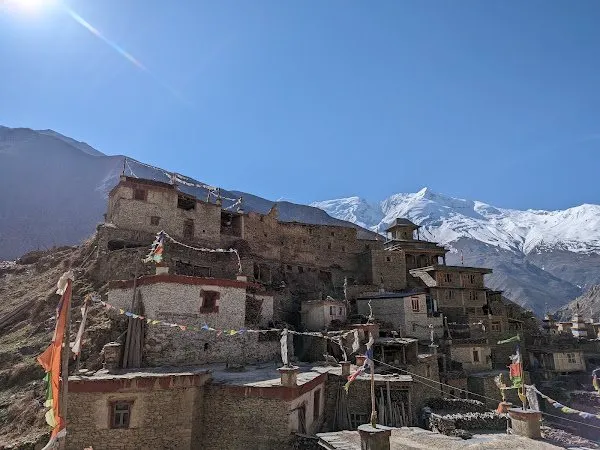
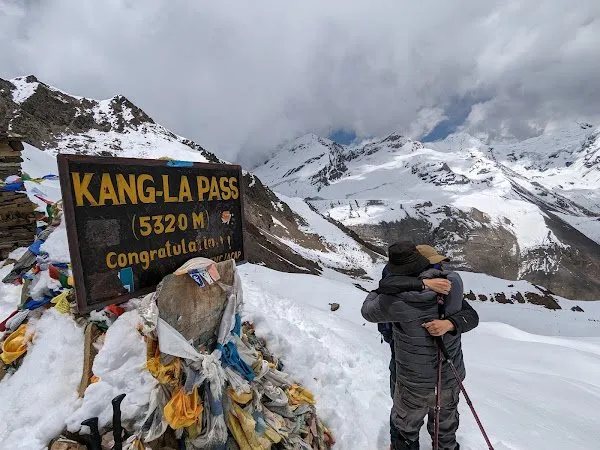
I had a great experience trekking the Nar Phu Valley with 8mountains. I joined a small group of four other travelers, which made the trek feel personal and well organized. Our guide, Pema Sherpa, was friendly, knowledgeable, and always made sure everyone was comfortable and safe throughout the journey. The communication before the trek was clear, and everything was arranged smoothly. The itinerary was well planned, and the remote landscapes of Nar Phu Valley were absolutely incredible. I would definitely recommend 8mountains to anyone looking for a professional and reliable trekking company in Nepal. Thank you to Pema and the whole team for a memorable experience!
See moreSee less
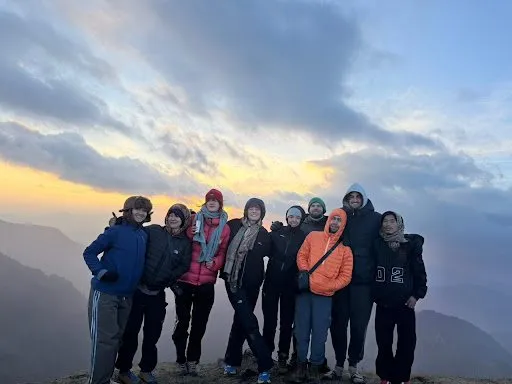
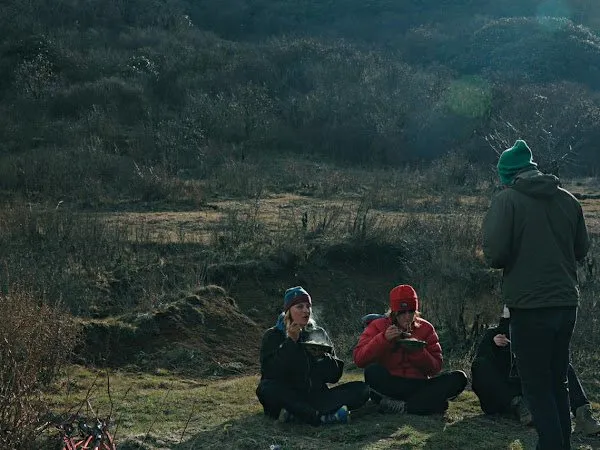
I cannot recommend 8 Mountains enough. I did the Dura Lekh trek with Samy and Sulav as my guides, and it was one of the coolest things I did in a full year of travel. I went on a whim, and am so glad that I decided to go. It was well-planned with transportation out to a very remote part of Nepal all arranged, amazing food provided, and even porters to carry our gear. The trek itself was absolutely breathtaking with views of Dhaulagiri mountain and 360 degree mountain views. We camped in a beautiful place and hiked up to the Durs Lekh peak for both sunset and sunrise - spectacular. The trip was amazing, and especially because of the leadership and people who were a part of it. I will never forget the experience and the friends I made!! Thank you Samy and Sulav
See moreSee less
Reviews from Google, reproduced in full and unedited.See them on Google.
Registered with the Nepal Tourism Board
A licensed operator on the government register, not an informal arrangement.
Government-licensed guides
Every guide holds a national trekking licence and is trained in mountain first aid.
You do not need a plan yet
Talk to a guide who has walked the route. It is free, there is nothing to sign, and it is mostly us answering your questions.
Not ready yet?
We send one story a month from the trail. A guide’s season, a village, a traveller’s postcard. Nothing else.