
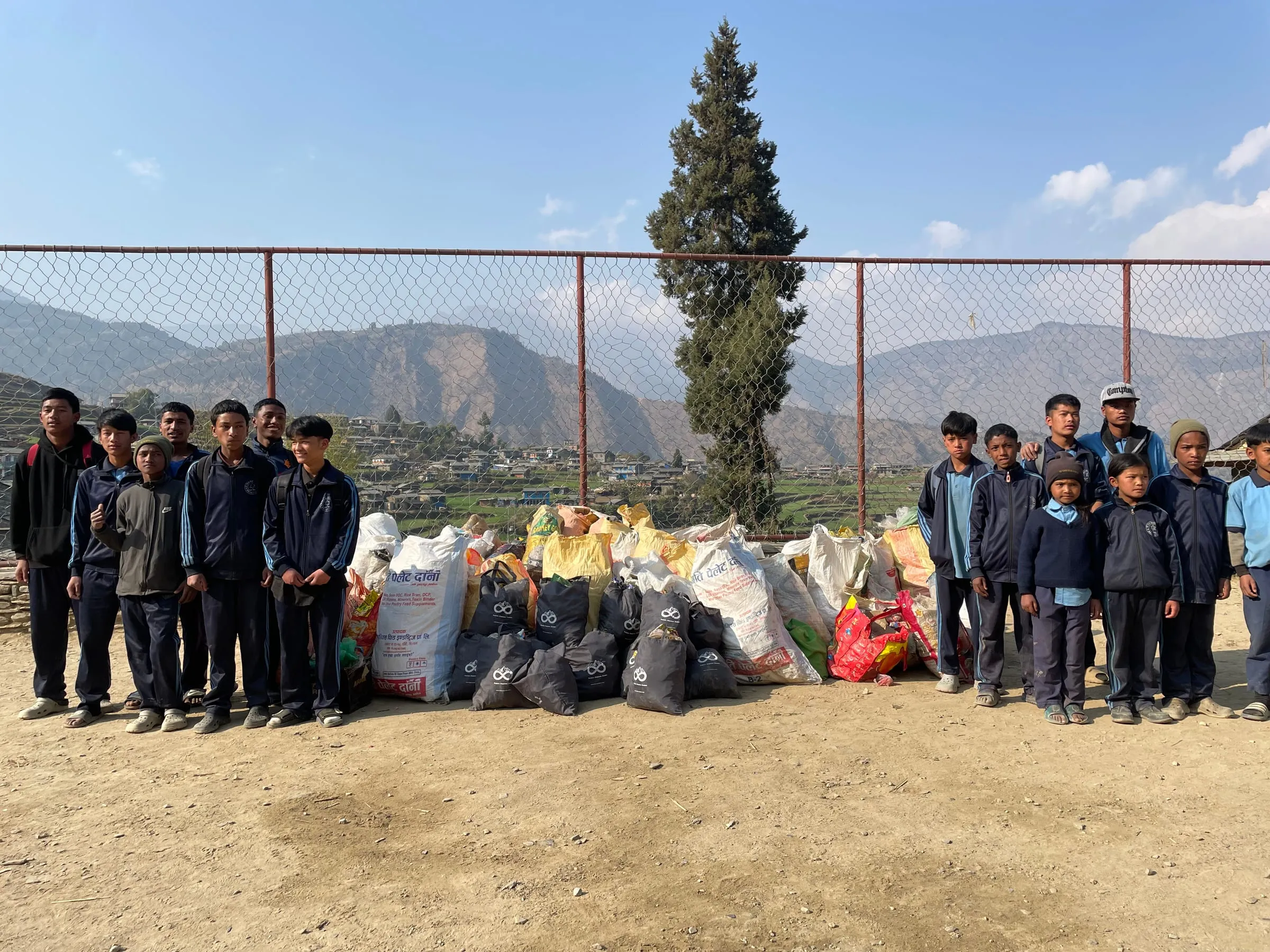
Our projects begin with people coming together around something useful. Here are the places, friendships and small beginnings behind the work, along with what we’re still figuring out.
Our first project · Gorkha
It began with a guest who wanted to help
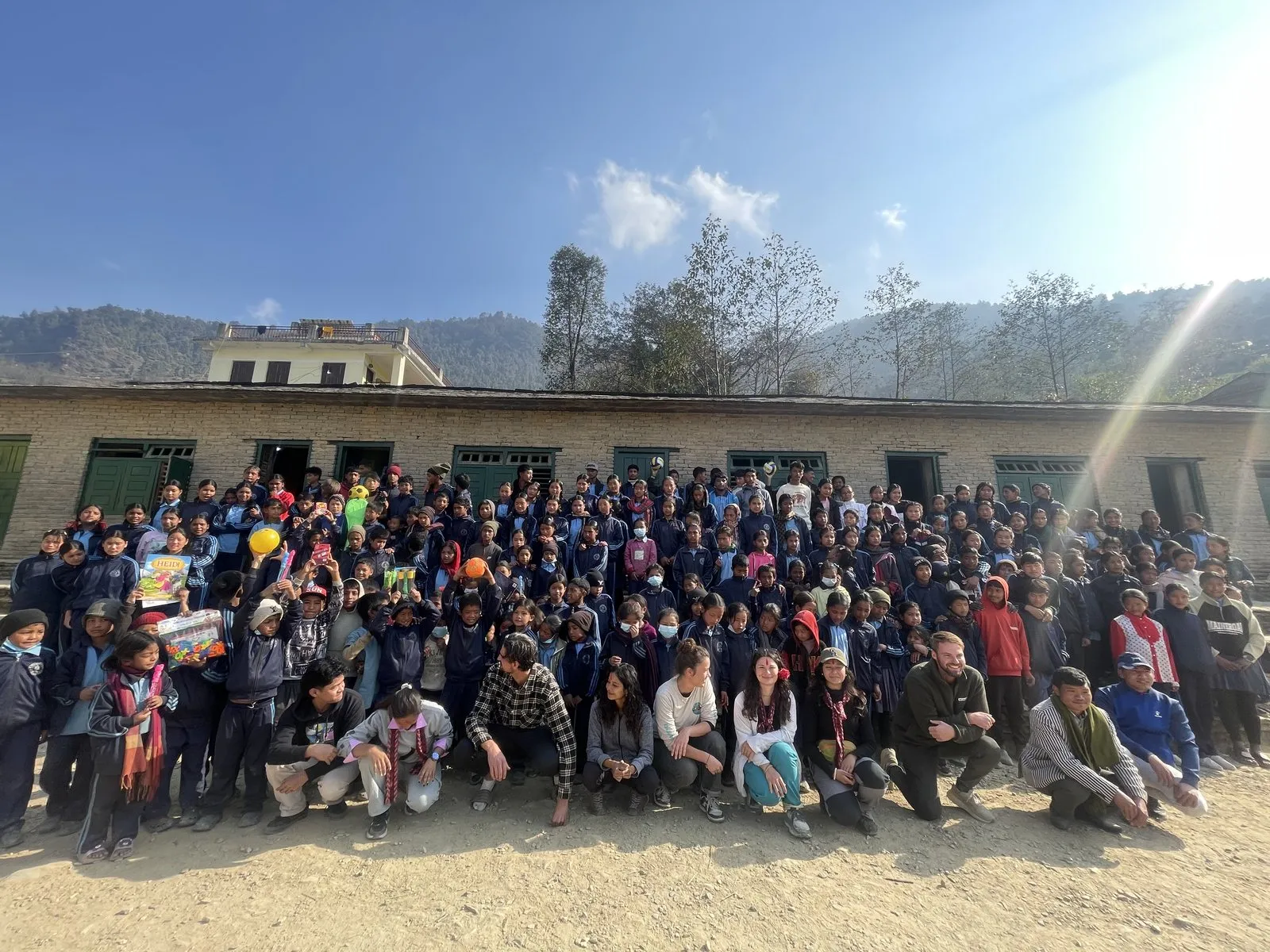
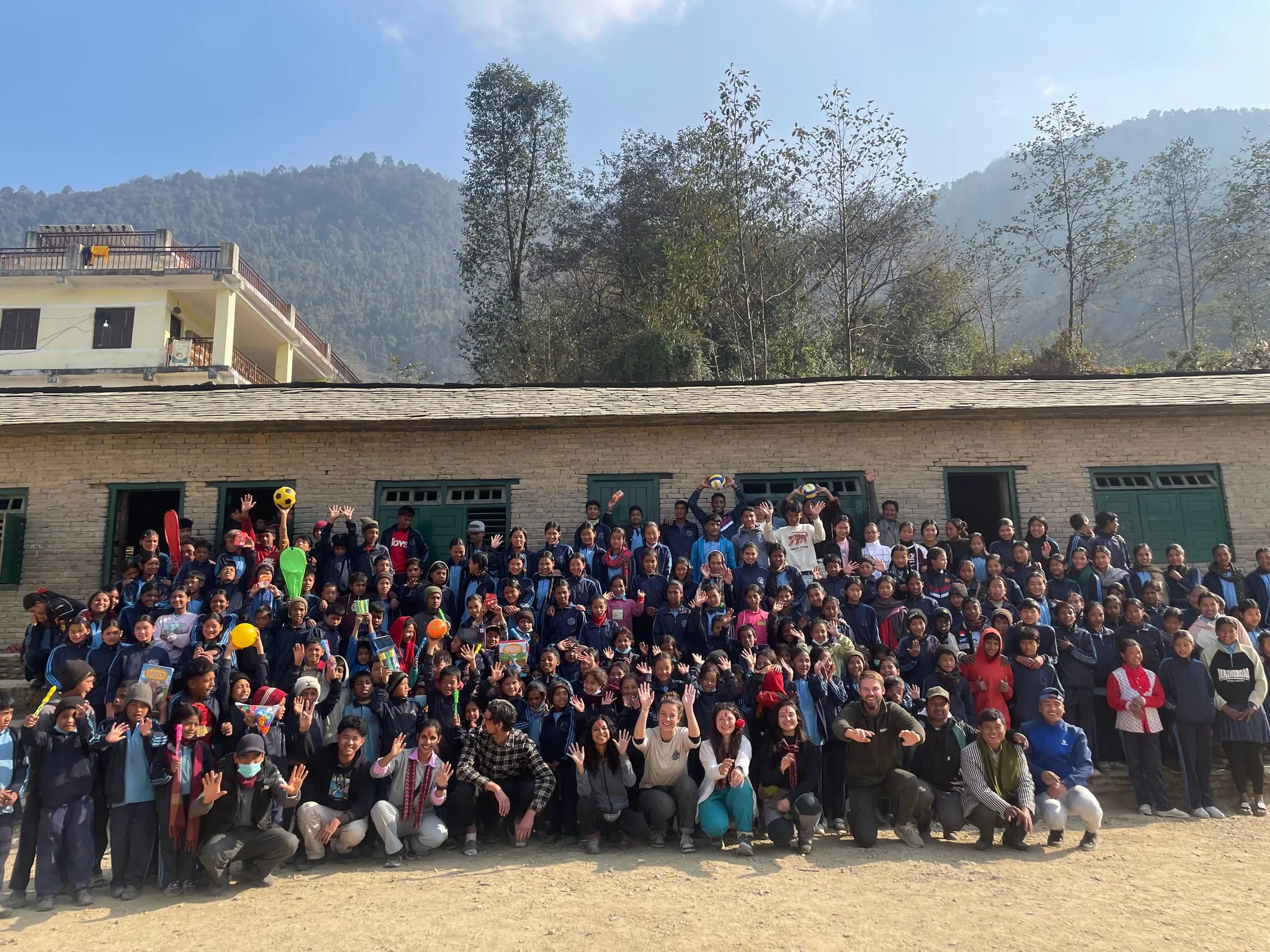
One of our guests had visited Darbar Primary School in Gorkha and returned with a wish to support the children. They weren’t sure how to begin, so we worked together to organise a free health camp.
On 4 August 2024, two doctors and two dentists joined us at the school for our first community project.
That day gave us the encouragement to do more. We began looking at how the connections made through our journeys could support practical work in the villages we visit.
A continuing relationship · Ruma, Myagdi
A village that gave us reasons to return
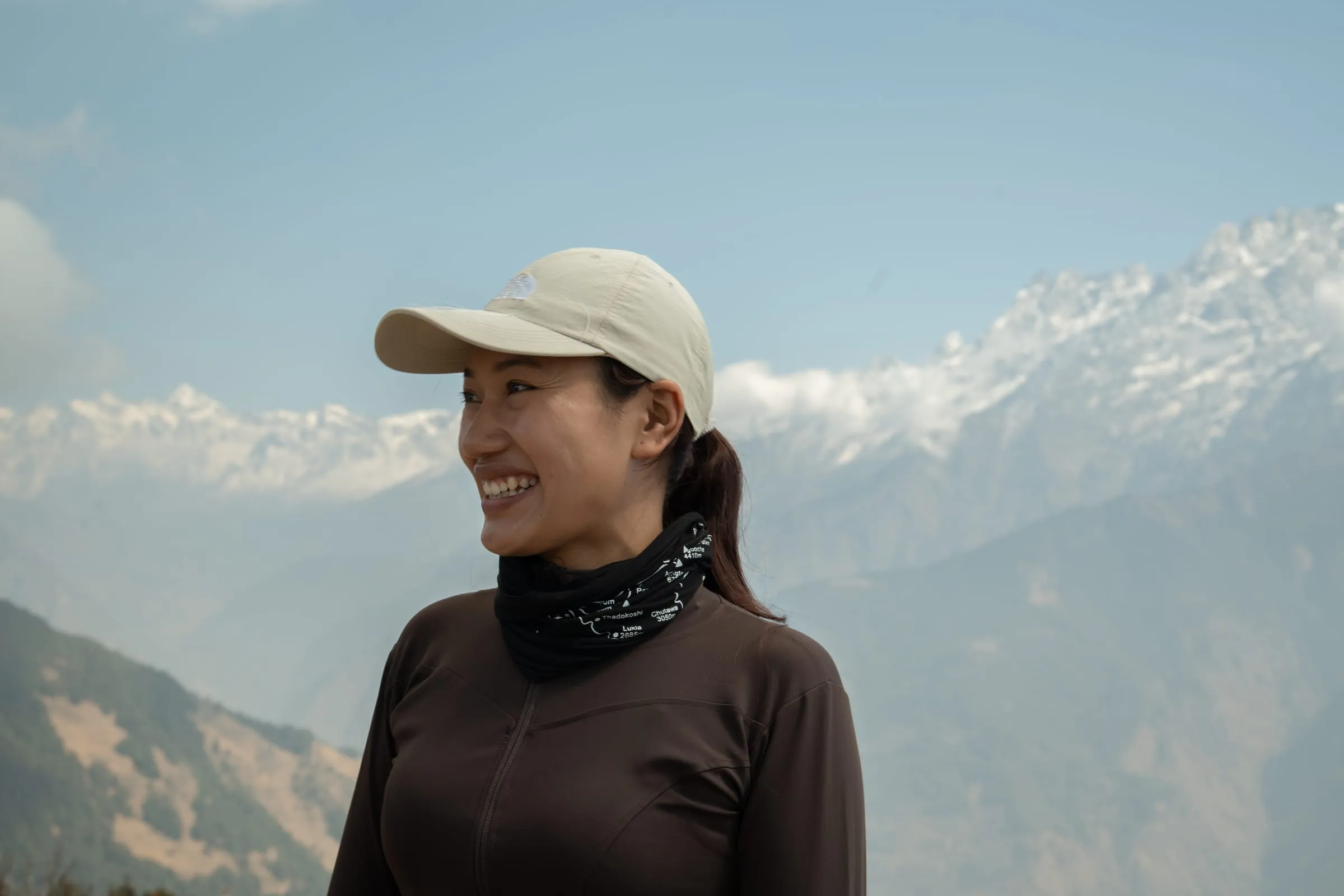
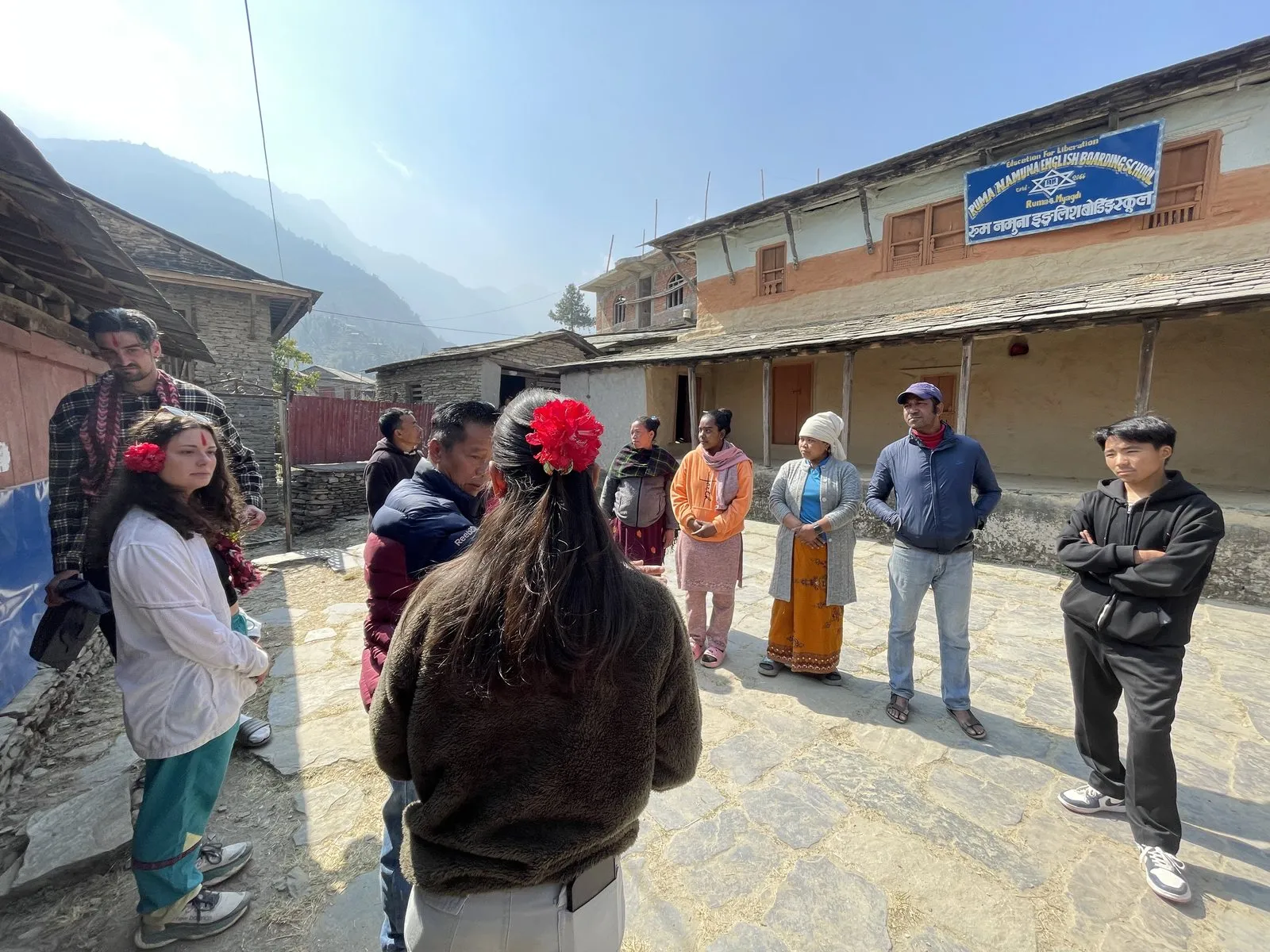
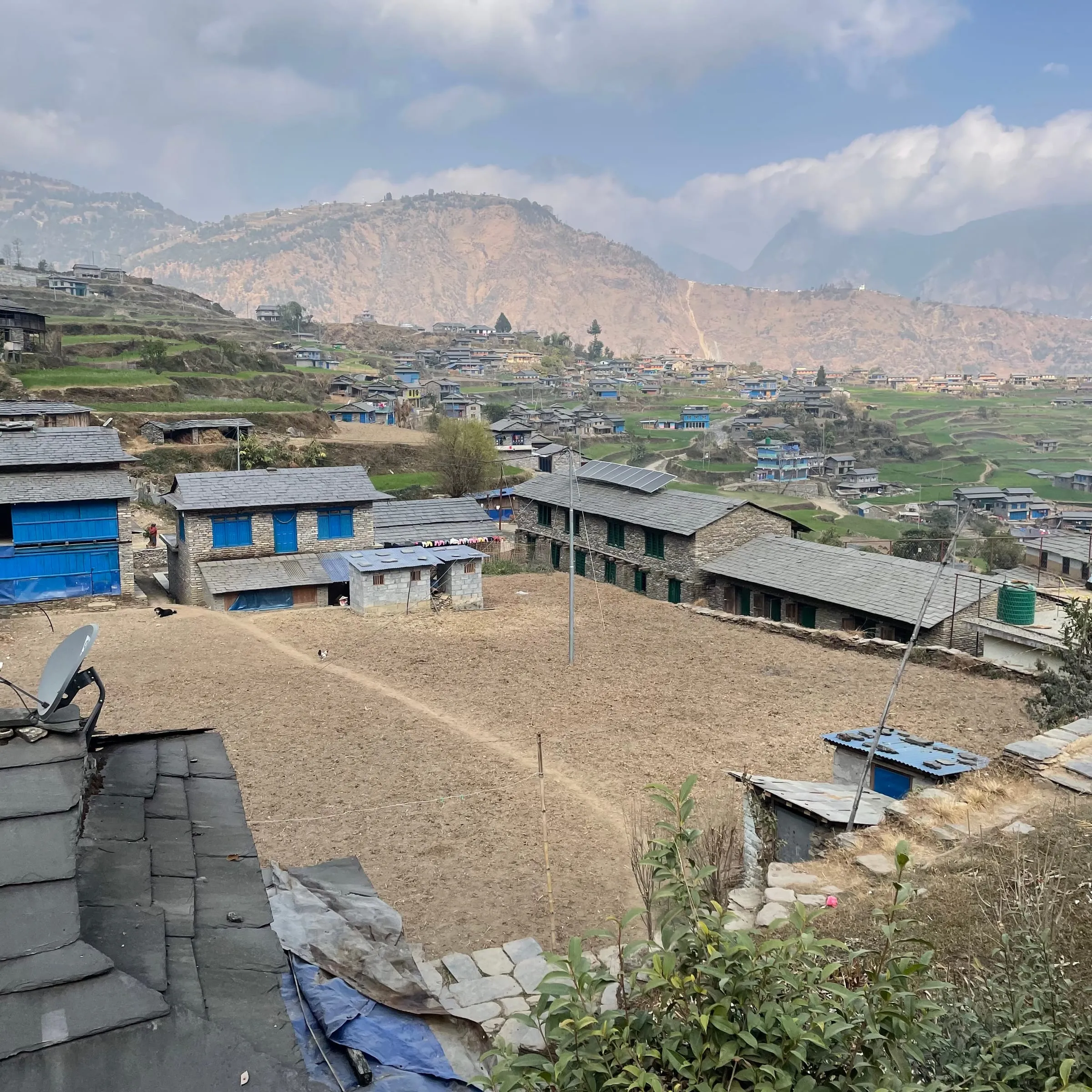
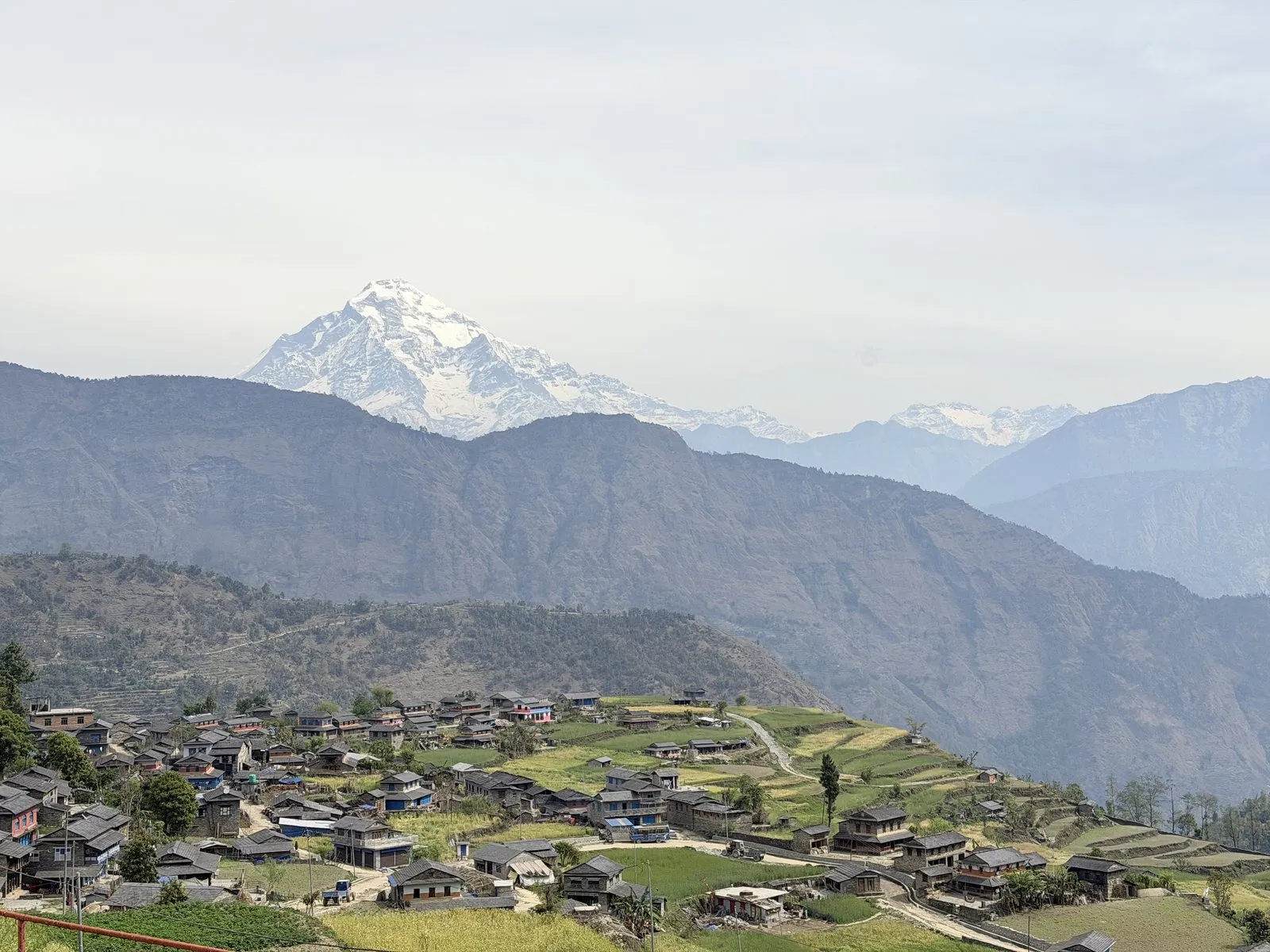
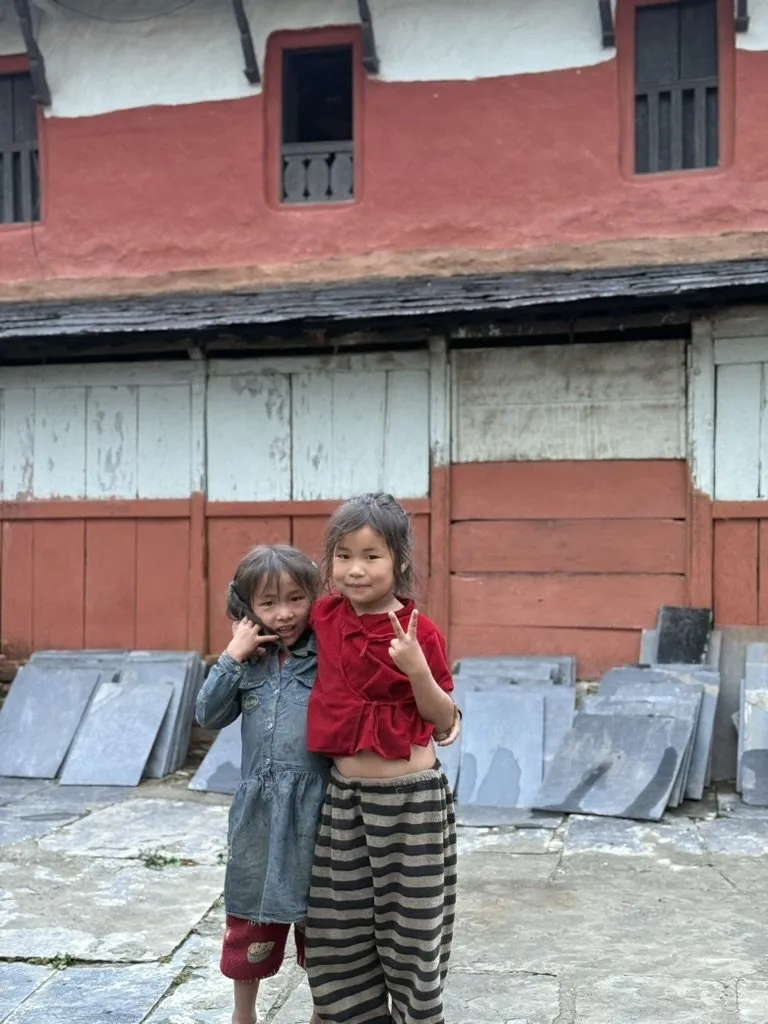
We first came to know Ruma through one of our volunteers. A Magar village in the hills of Myagdi, it welcomed us with generous hospitality, a strong connection to its culture and the mountains of Dhaulagiri beyond.
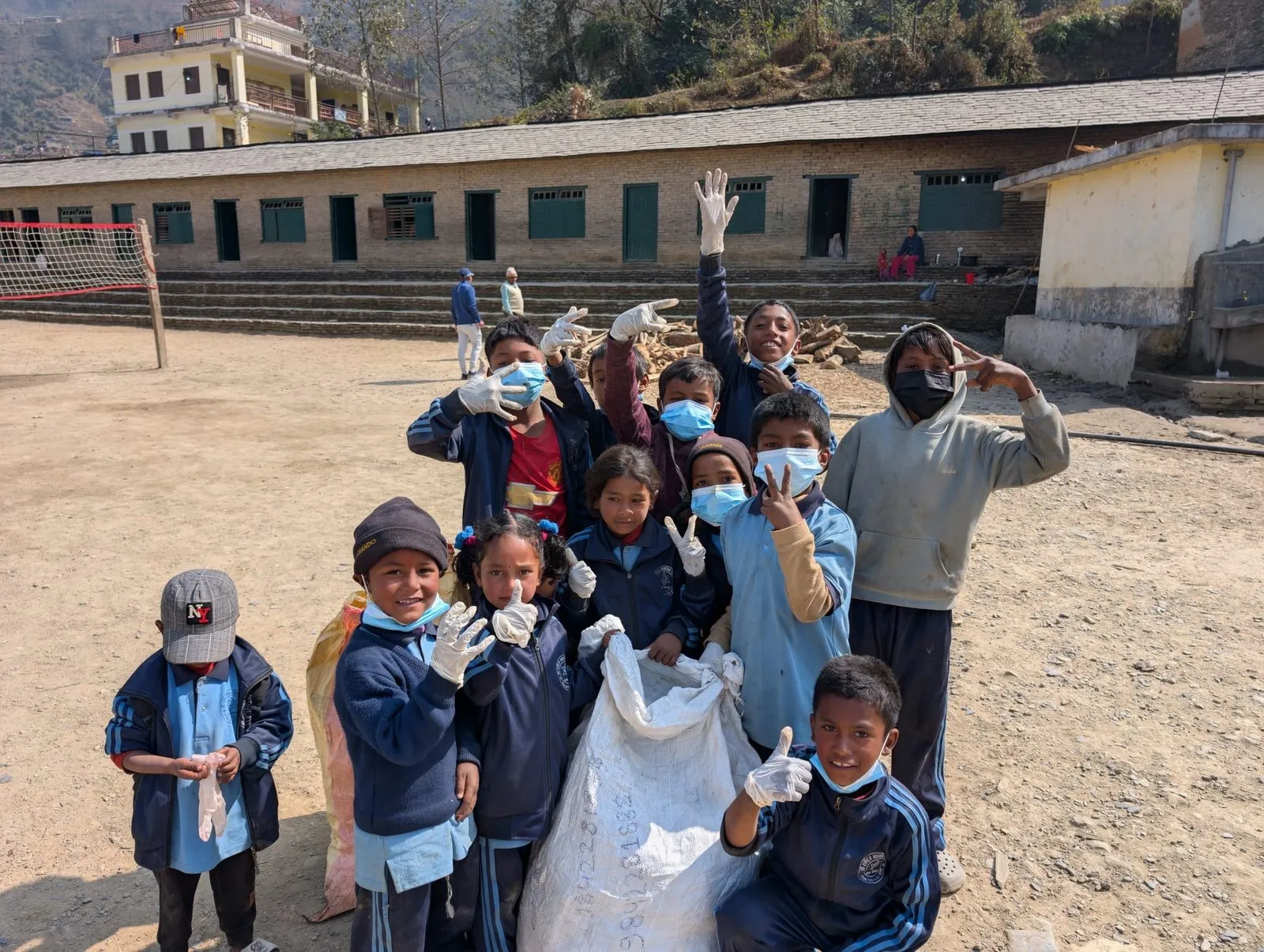
As we spent time there, plastic waste became the starting point for our first project together. We began with environmental awareness sessions and a cleanup with the local school.
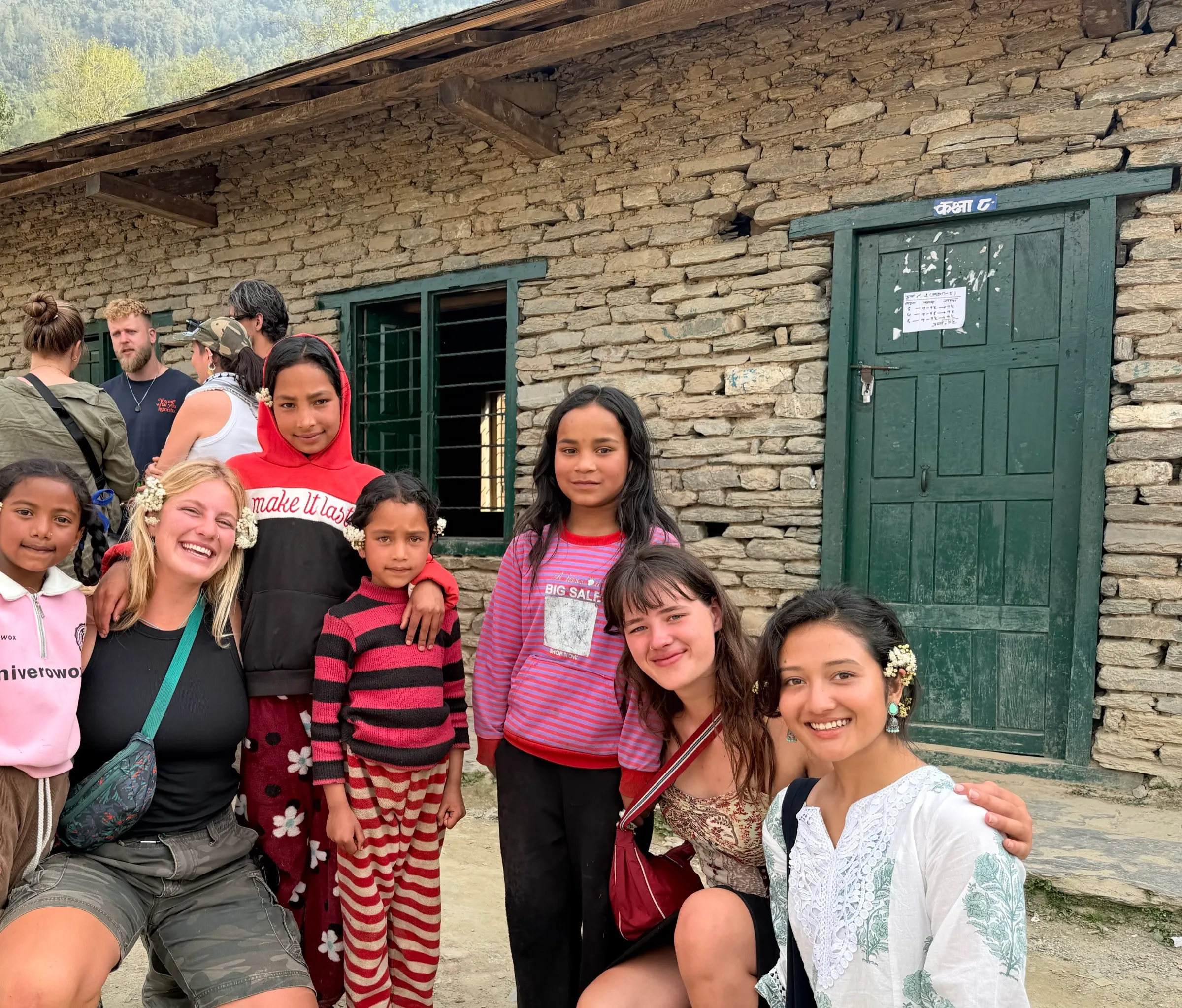
Since then, our relationship with Ruma has grown through work on waste, education, health and winter clothing. Each project has brought more people into the story: students, craftspeople, teachers, health workers and volunteers.
Plastic awareness and cleanup
The afternoon we ran out of bags
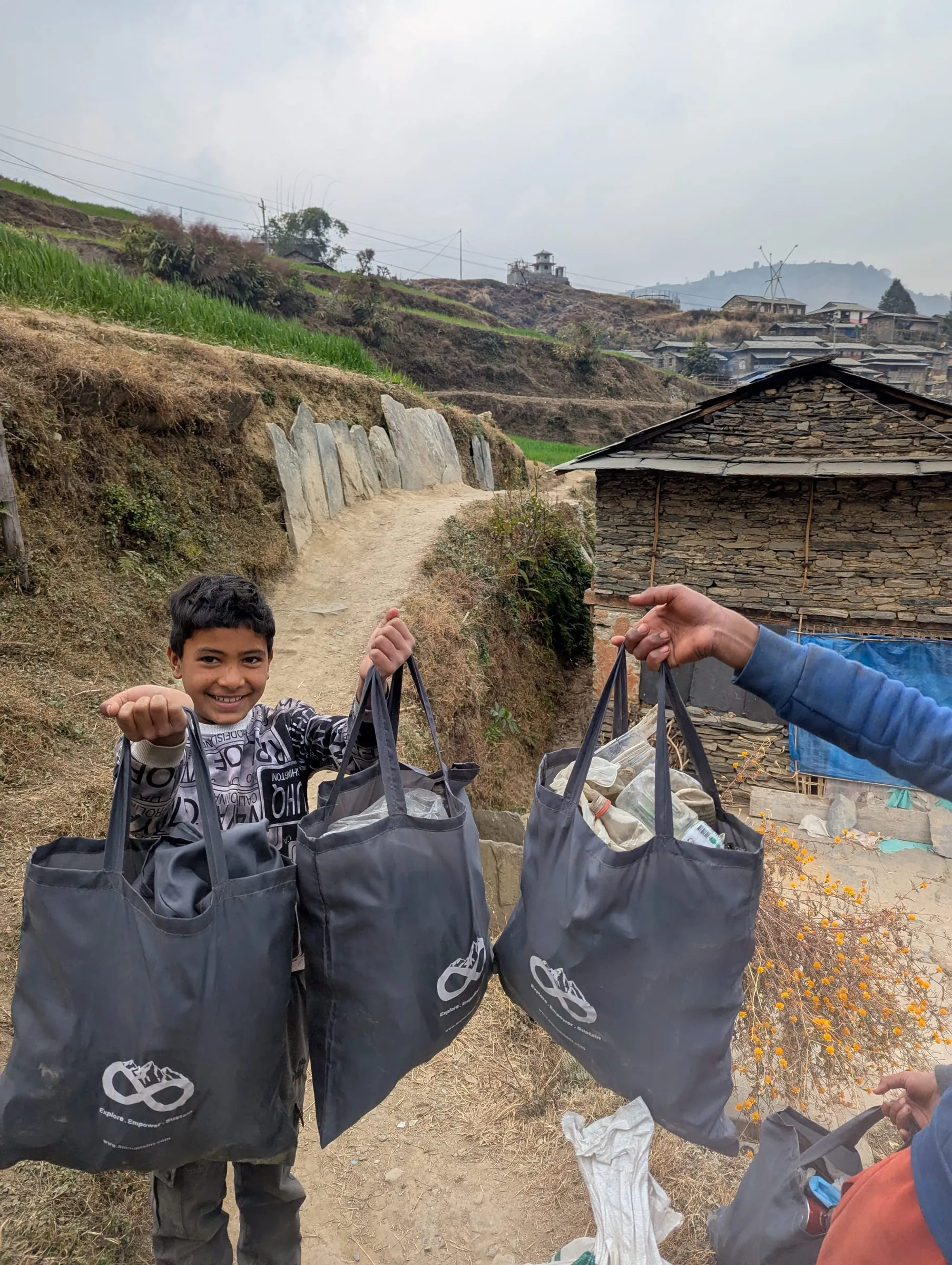
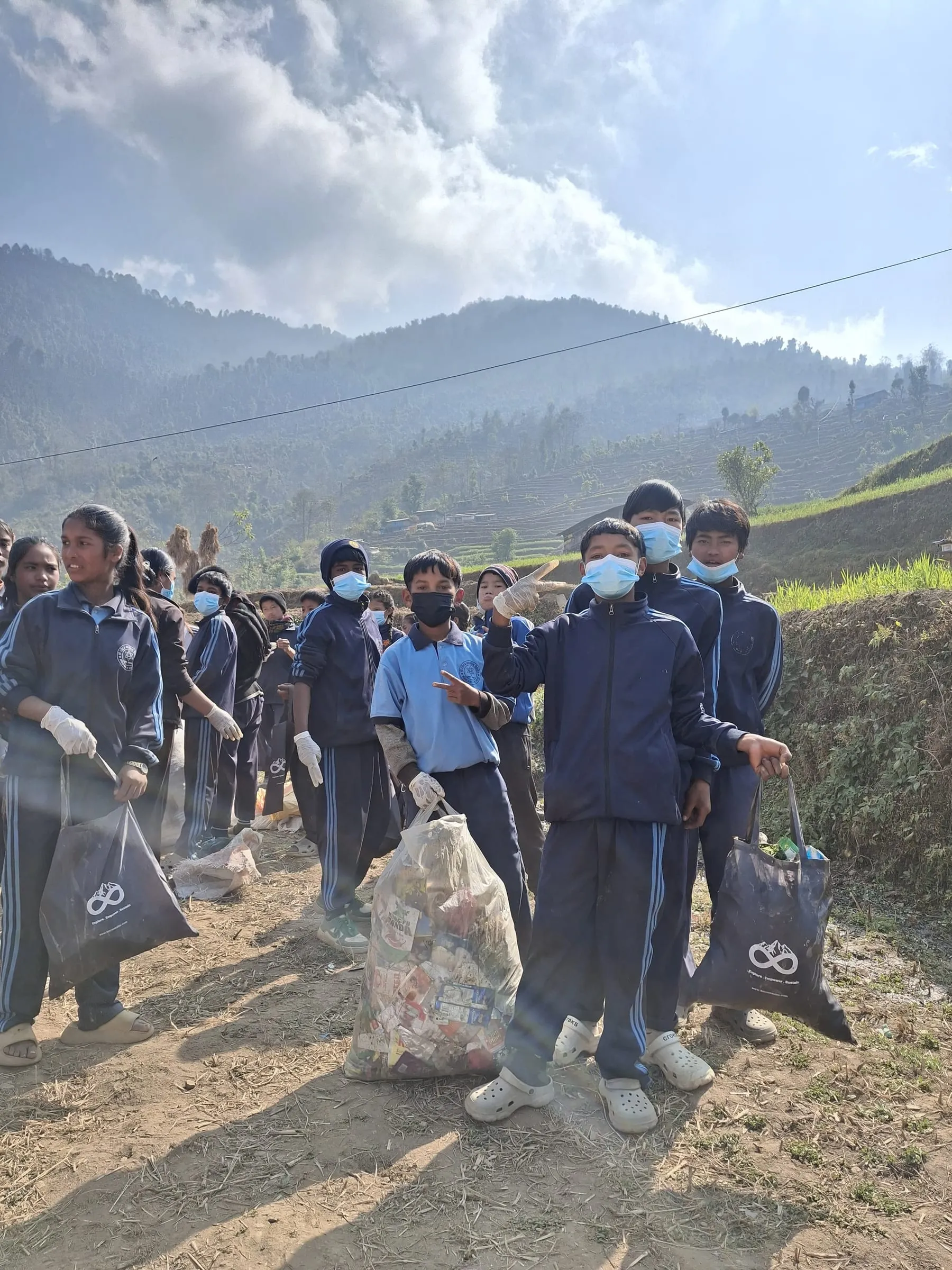
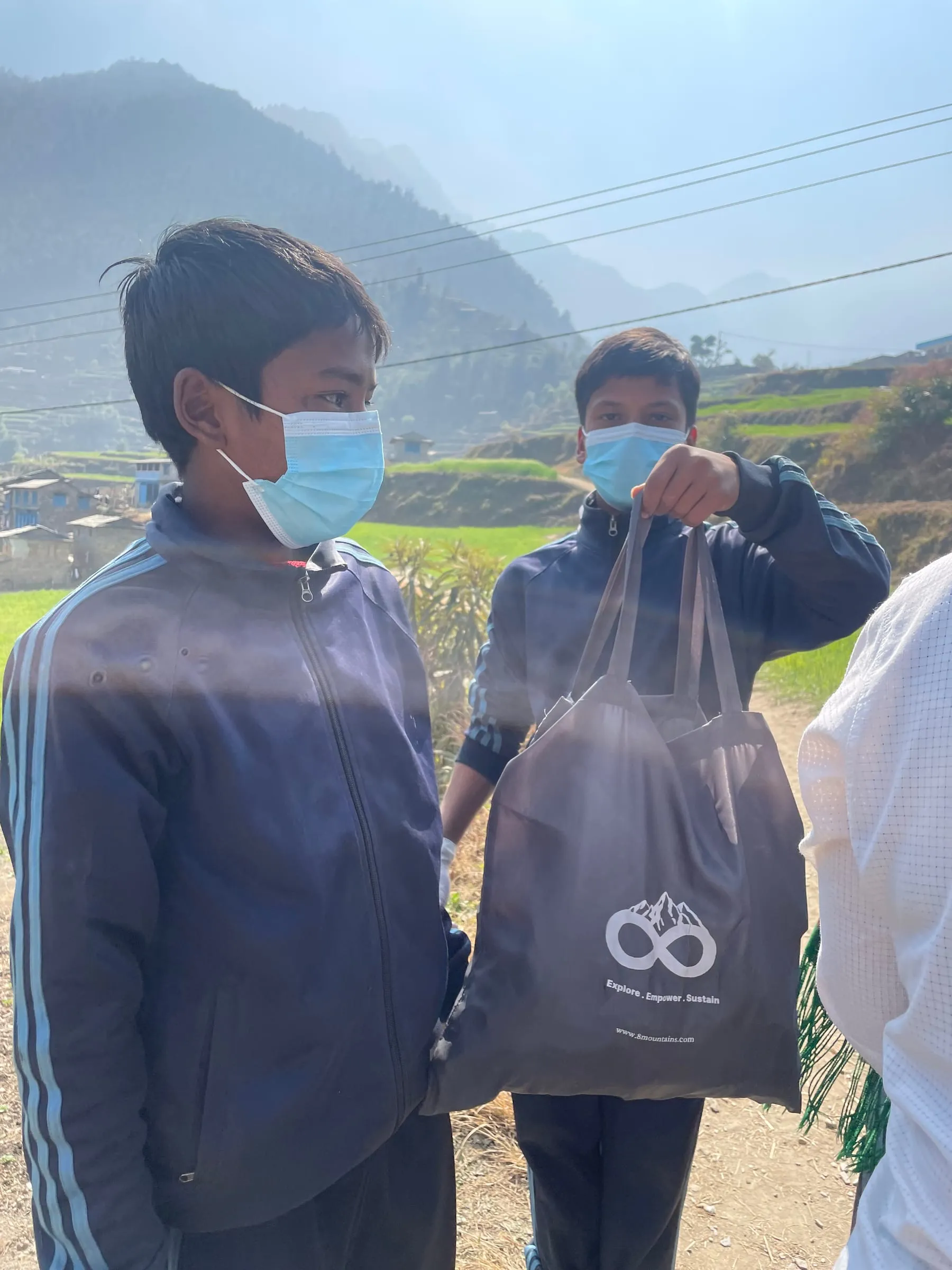
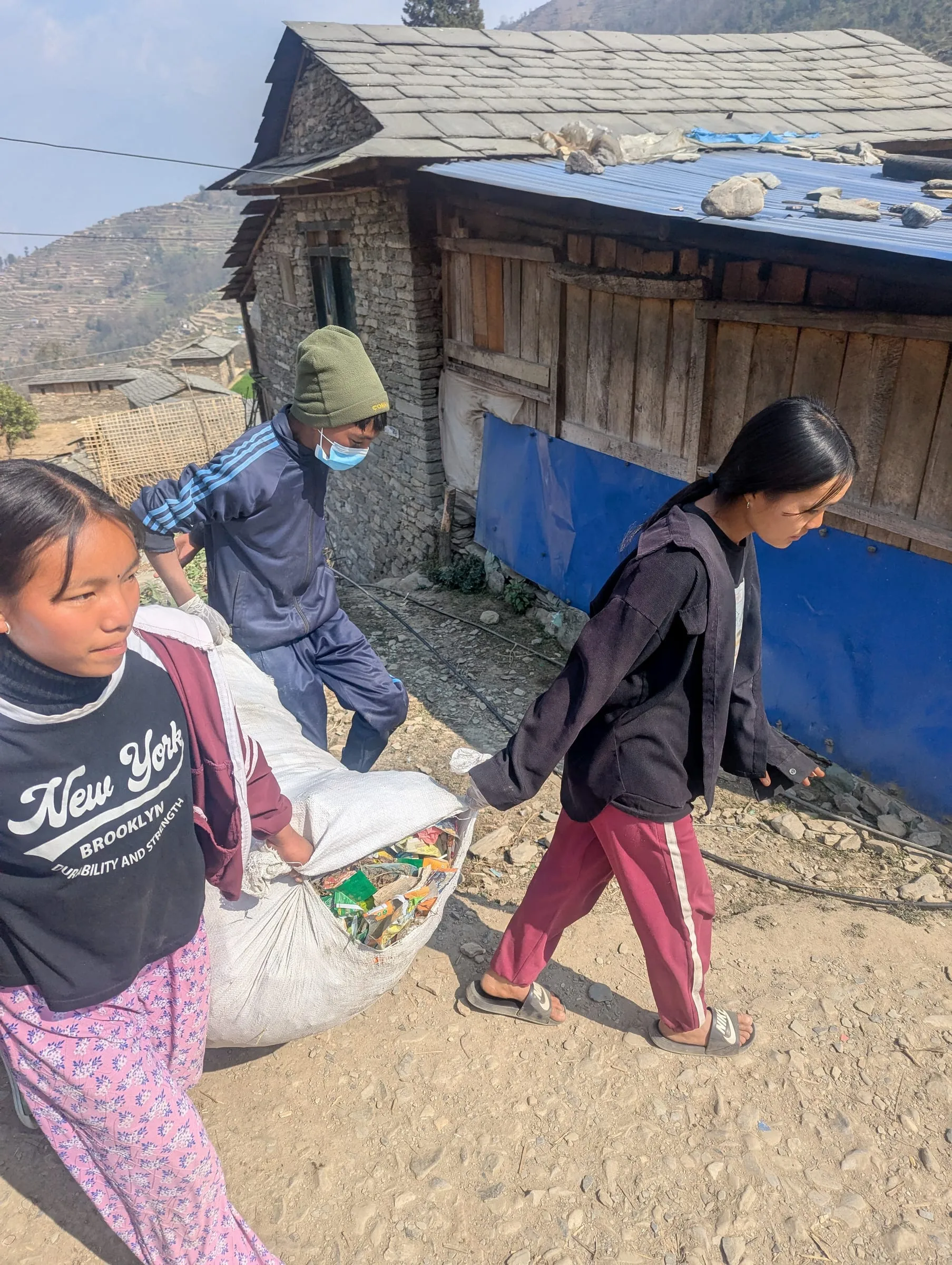
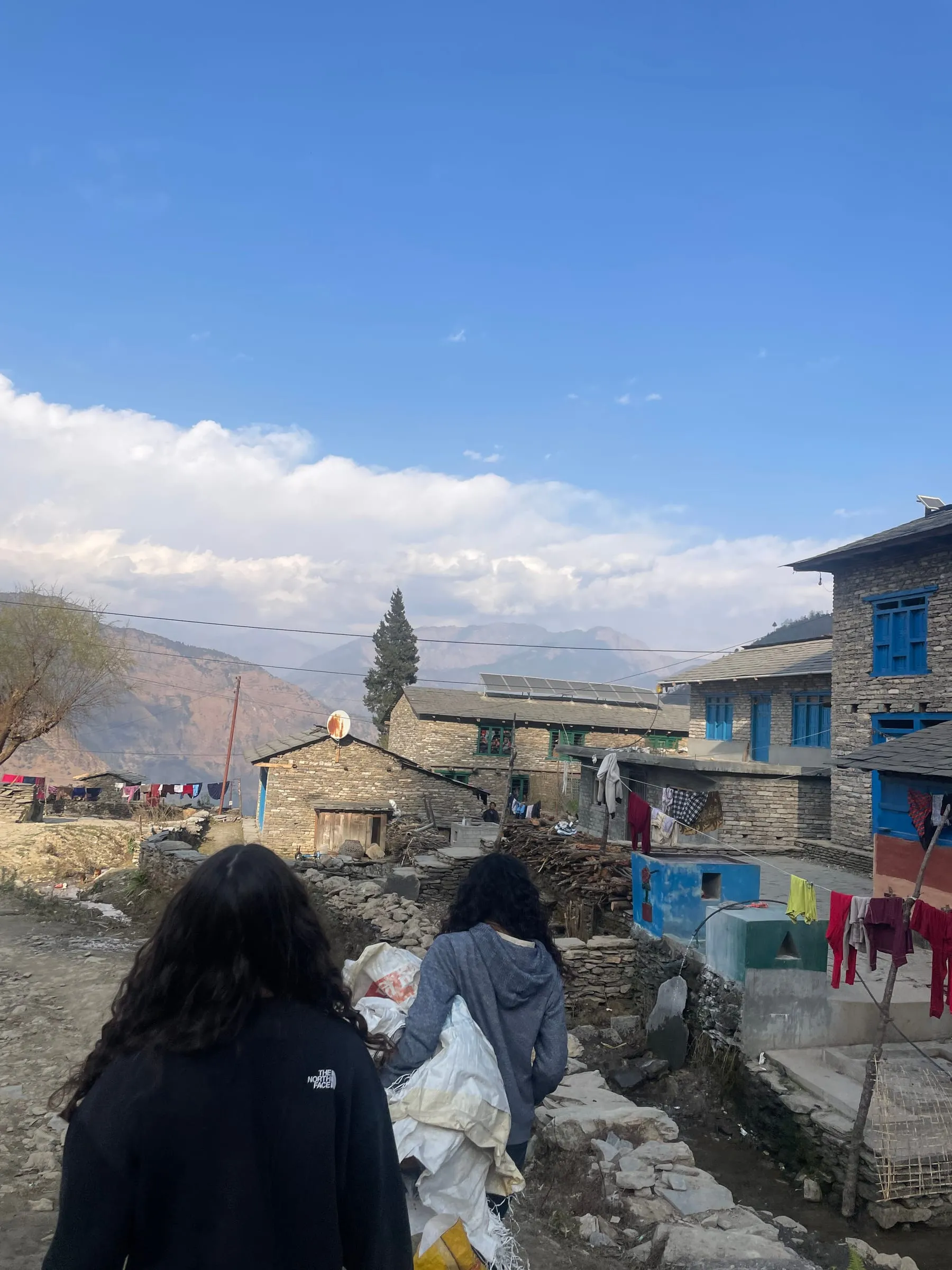
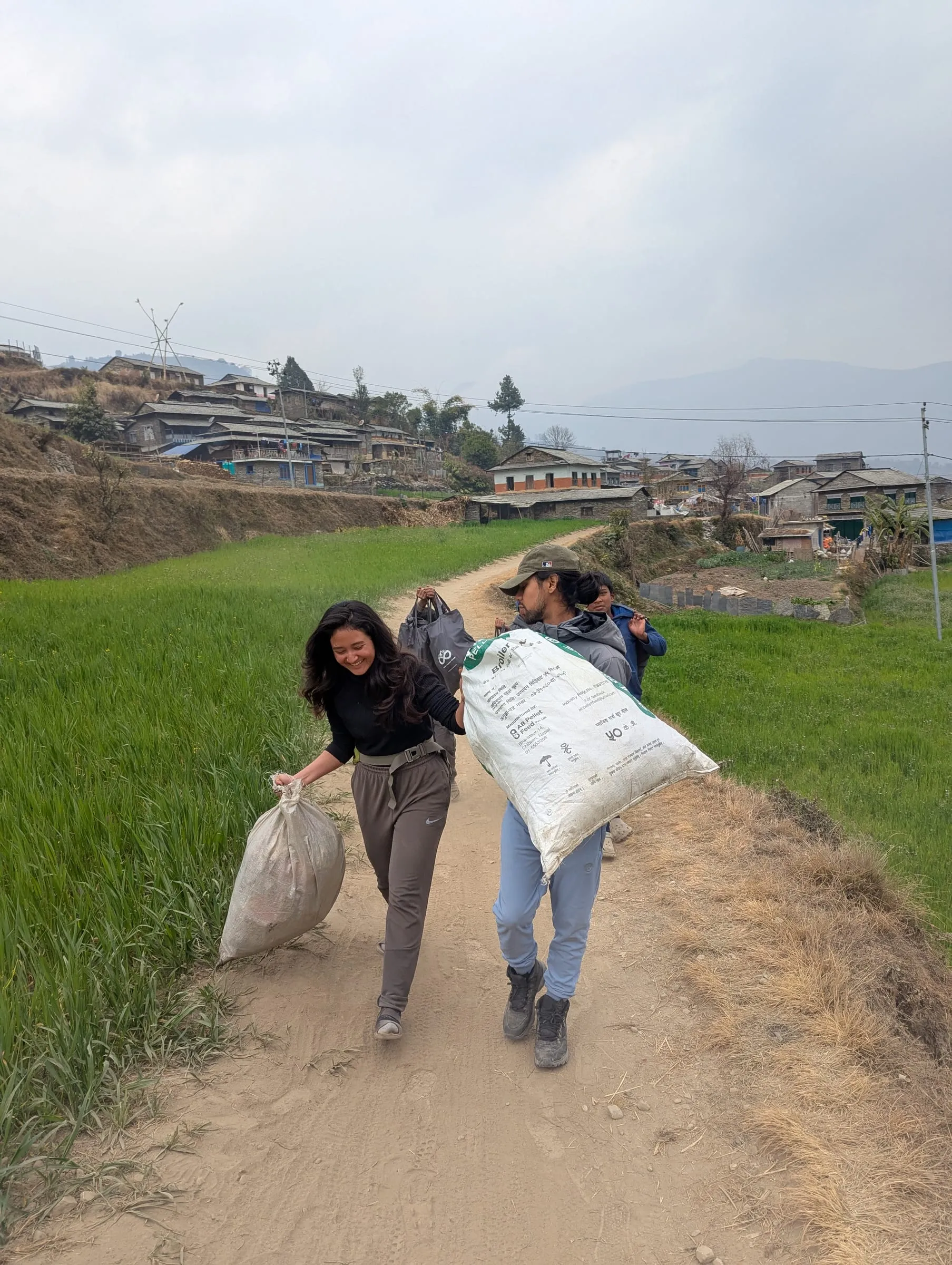
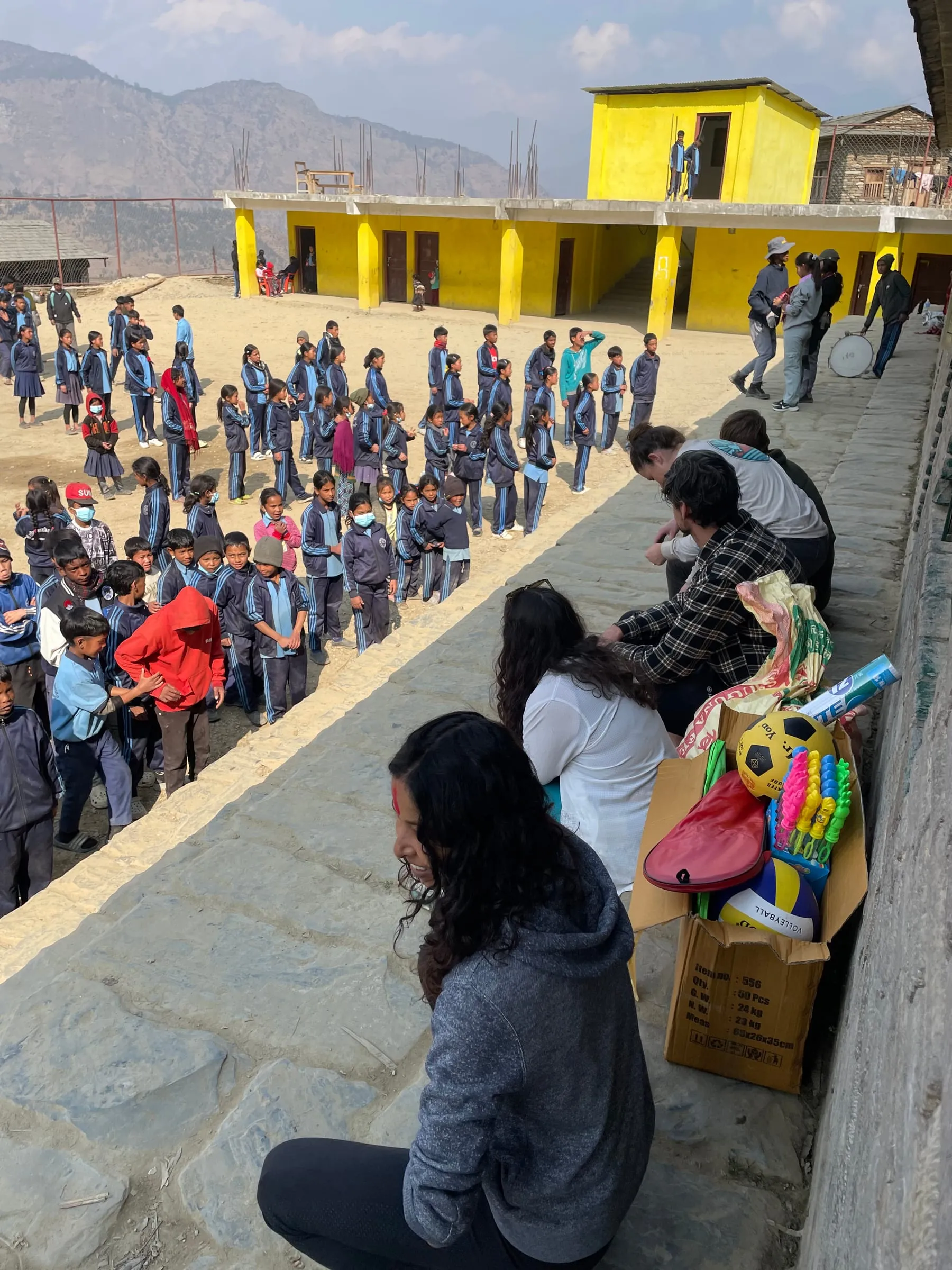
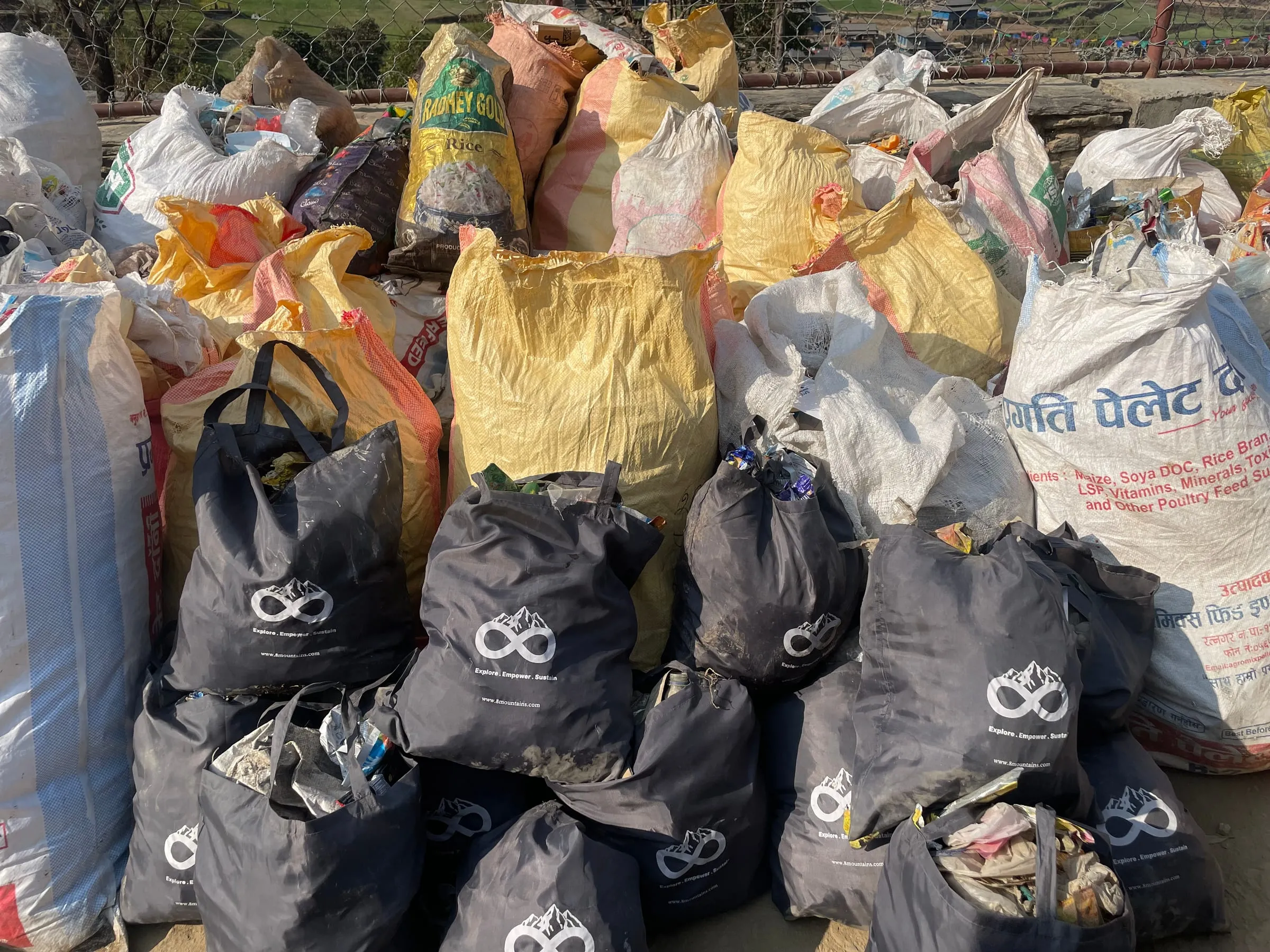
Together with the school, we organised a village cleanup led by students. We made it a friendly competition, with prizes including sports equipment for the groups collecting the most rubbish.
The bags we brought from Pokhara filled quickly. Soon, we were asking the school and villagers for more sacks to hold everything the children had gathered.
It was a lively afternoon with a visible result. It also made the next task clear: the village needed somewhere to separate waste, and a plan for what would happen to it afterwards.
Watch the village cleanup
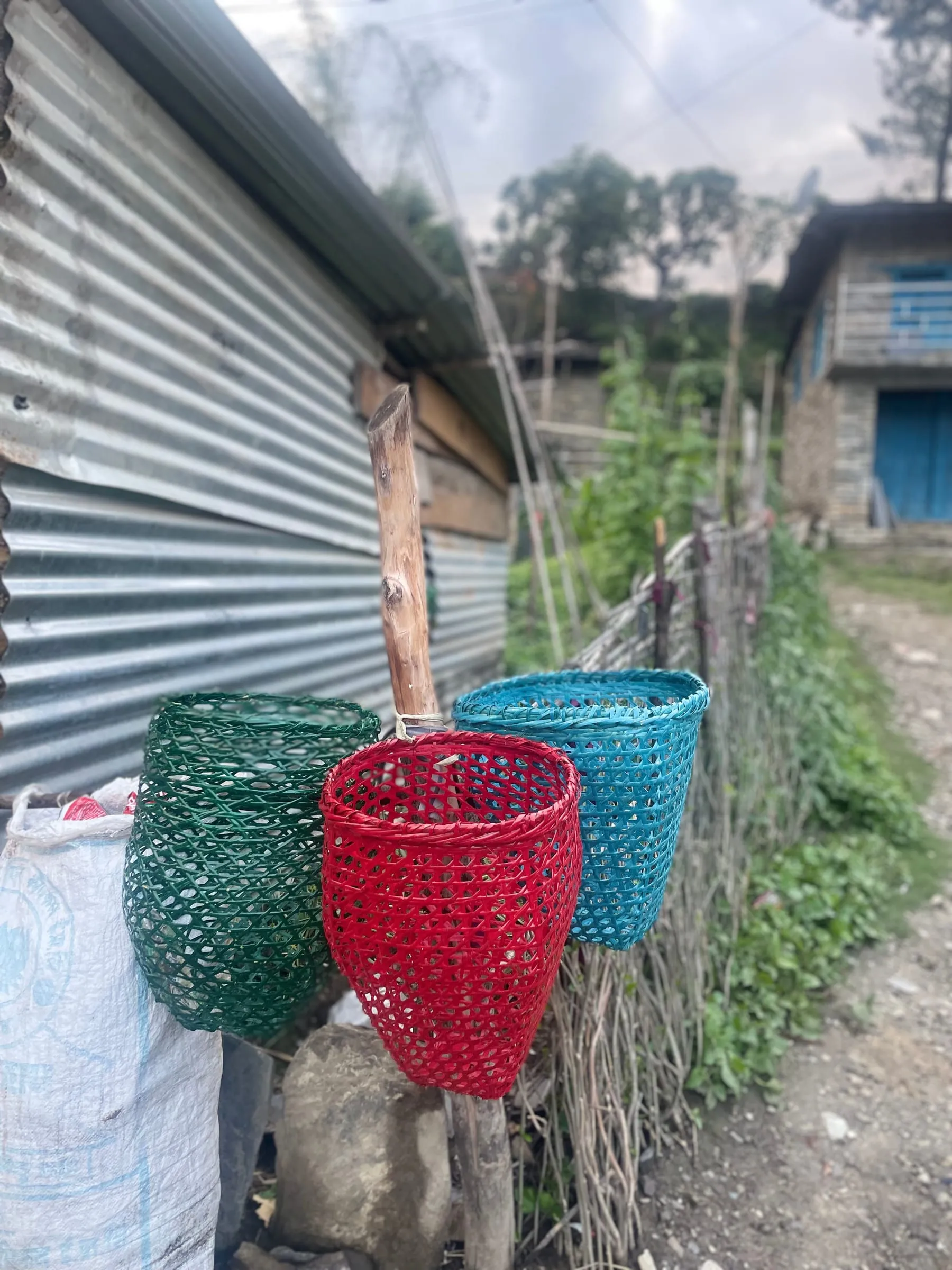
Locally made waste baskets
More than 200 baskets, woven close to home
The cleanup grew into a project with local craftspeople, who wove bamboo baskets for separating waste around Ruma and along nearby trails.
Colour coding helps distinguish different types of rubbish. Using locally made baskets also brought the village’s skills and materials into the work.
More than 200 baskets have been placed through the project. They provide a practical starting point for waste separation, while the longer-term challenge of managing the collected plastic continues.
The Ruma Smart Community Library
A place to read, learn and share what you know
With support from Pien and Greet, two of our early volunteers, we helped build a free community library in Ruma.
Alongside books, the library has a computer, projector, speakers and printer. These resources create opportunities for visual lessons, practical activities and learning together.
The space is intended for adults as well as children. Farming, health, technology and caring for the environment are among the subjects it can support. Volunteers can contribute relevant knowledge, with activities shaped around the community’s interests and needs.
The library belongs to the village. Our hope is that it continues to grow through the people who use it.
Take a look inside the library
Health camps and medical equipment
Supporting care within the community
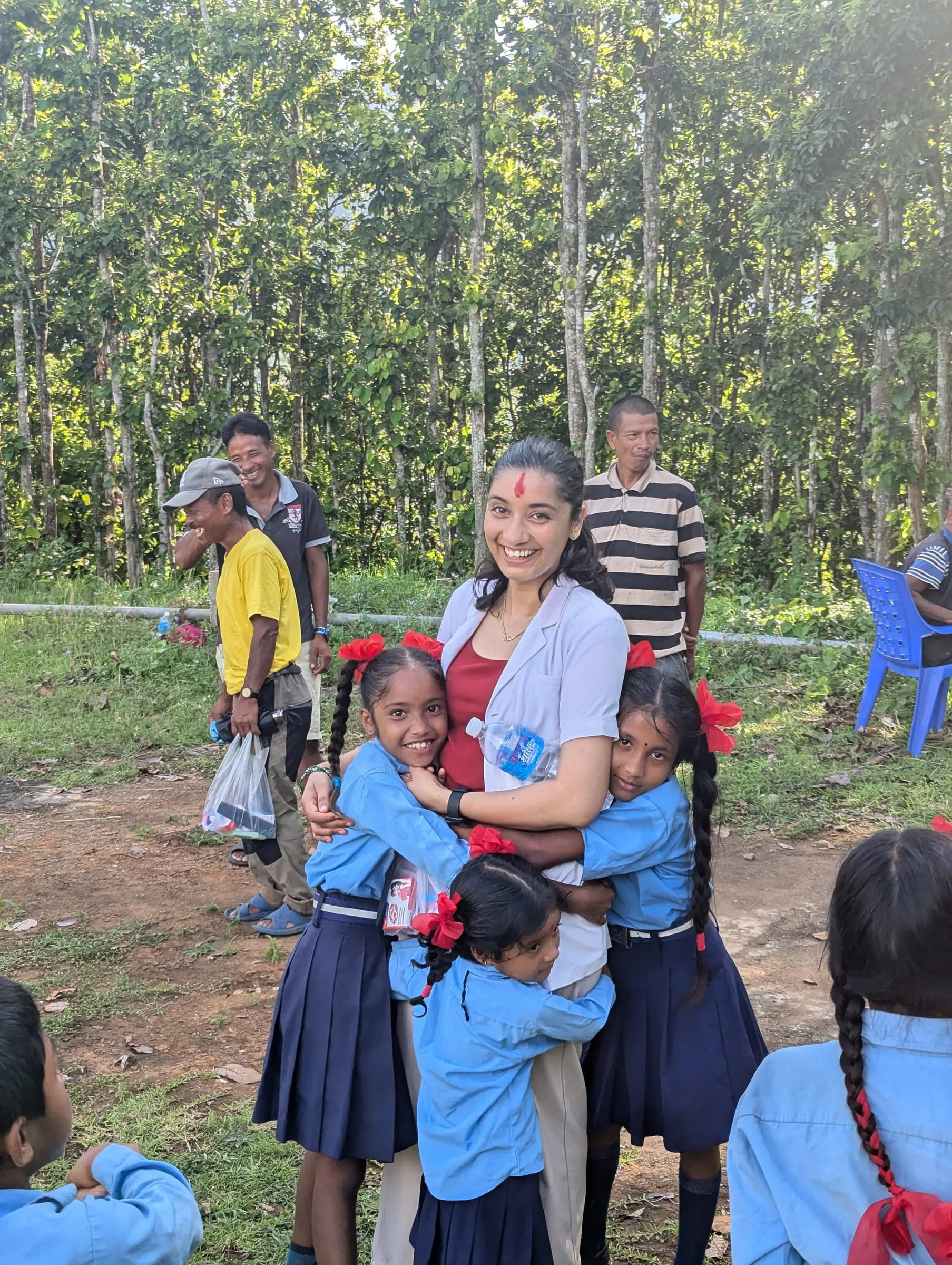
After our first health camp in Gorkha, our health projects extended to Ruma.
Medical volunteers from the Netherlands worked alongside local health workers, including visits to people in their homes. We have also contributed equipment to Ruma’s health post, which serves the village and surrounding settlements.
We work with the people already providing care locally, with medical activities carried out by appropriately qualified professionals.
Watch our health project
Winter clothing and school support
Practical things that matter every day
With Anki, one of our volunteers, we organised a clothing donation for families in the Myagdi hills ahead of winter.
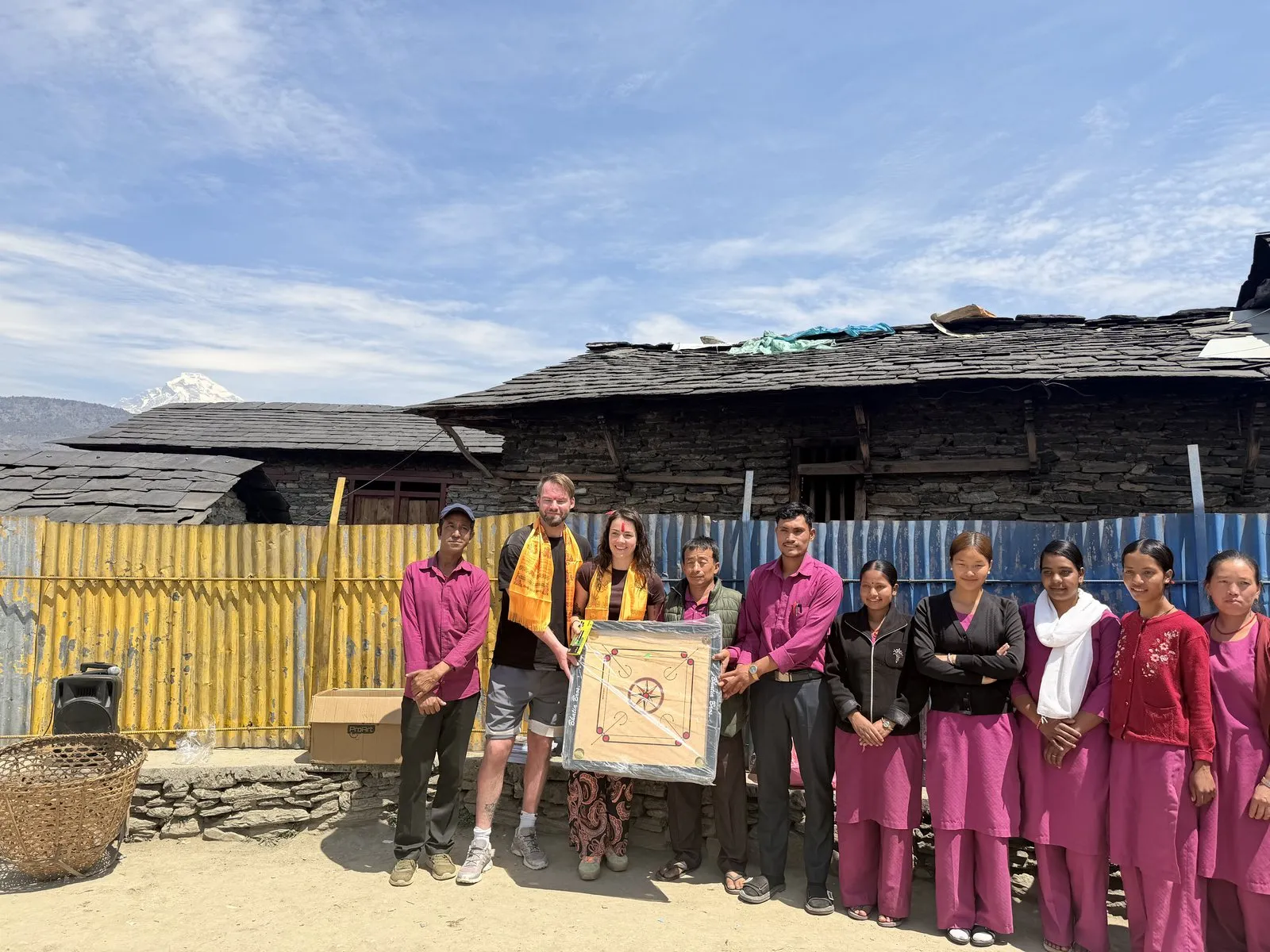
Our wider community work has also included providing materials to government schools. Warm clothing and school supplies are straightforward contributions, shaped around everyday needs and made possible by people willing to help.
See the clothing project
Work still in progress
What happens to the plastic next?
This remains one of our hardest questions.
Separating and collecting waste is a beginning. Transporting plastic from Ruma to Pokhara involves a long journey over partly off-road routes, with costs that make regular collection difficult.
We have explored different possibilities, including organisations that use plastic in road construction. Distance has made some options impractical. We are also exploring whether suitable plastic could be reused locally in items such as benches or furniture.
These are possibilities we’re investigating, rather than a finished solution. We want an approach that is practical for Ruma to maintain, and we’ll keep sharing what we learn.
How the work comes together
Start with a conversation. Build from there.
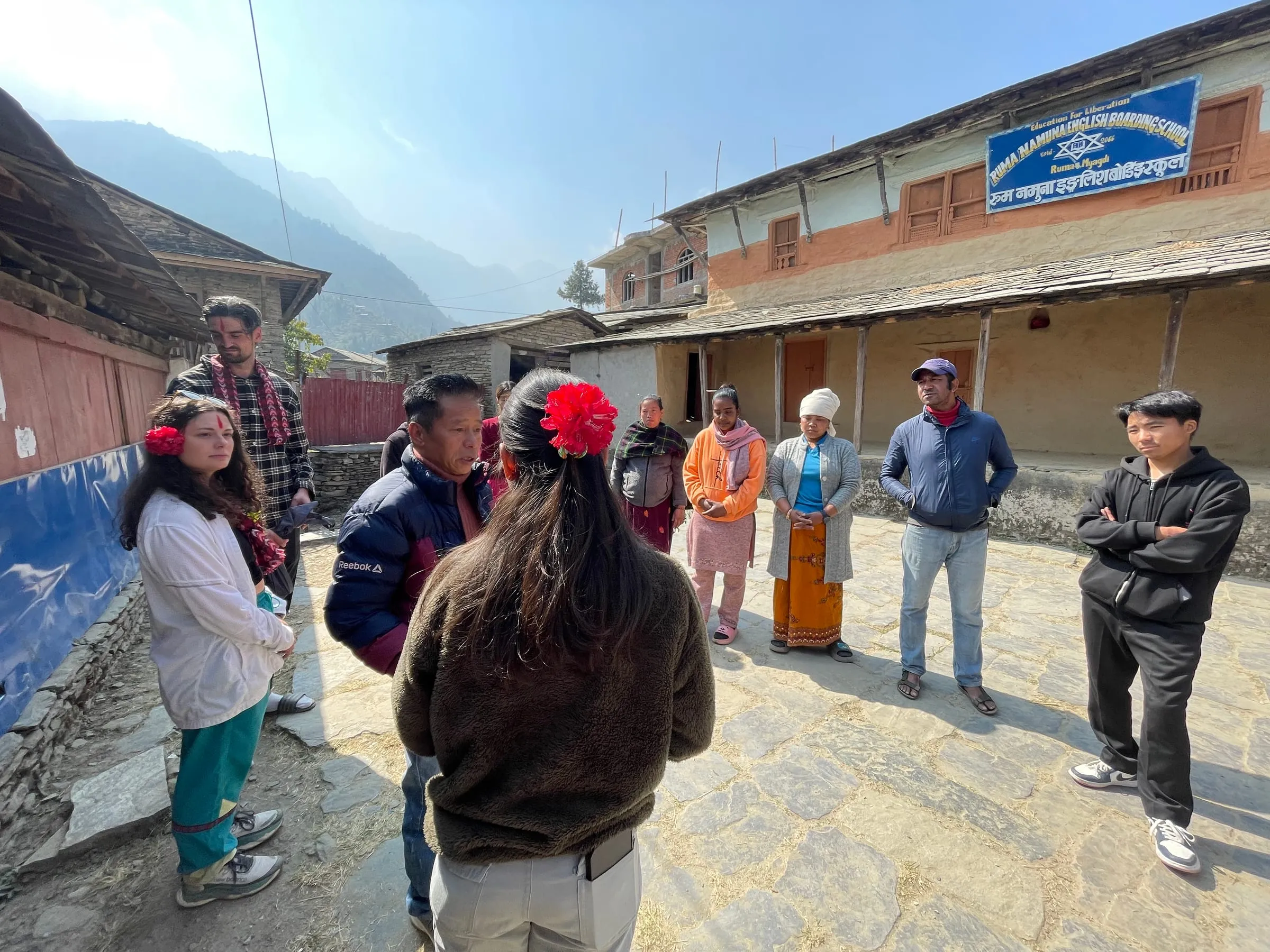
We work with schools, health posts, families and community representatives to understand what support would be useful.
Sometimes that means bringing people with relevant skills together. Sometimes it means helping organise materials, equipment or transport. It also means recognising when an idea needs more thought, or when a project needs support beyond its first activity.
We want the people who live here to help shape the work and its future.
Made possible together
Your journeys help keep this work going
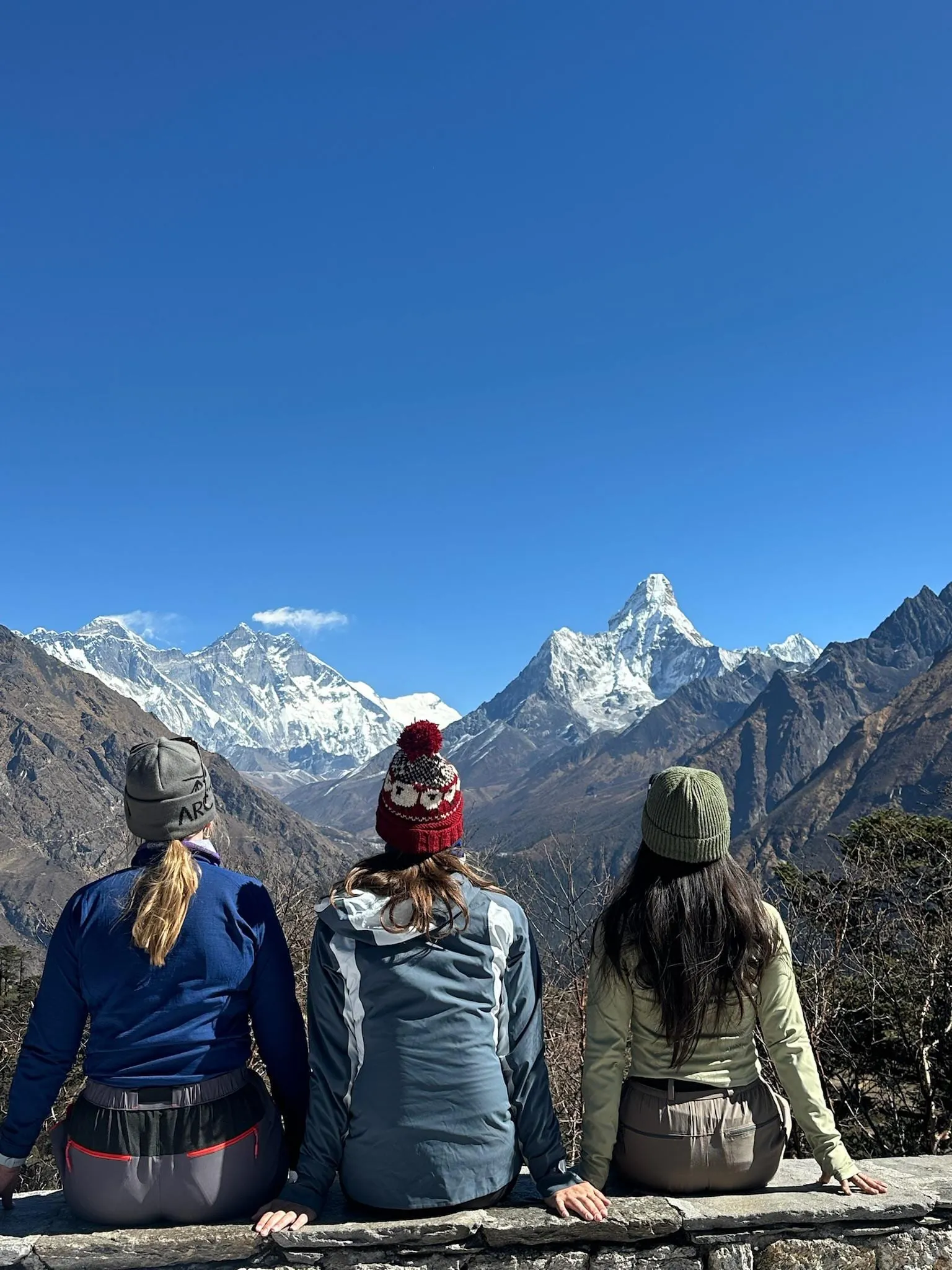
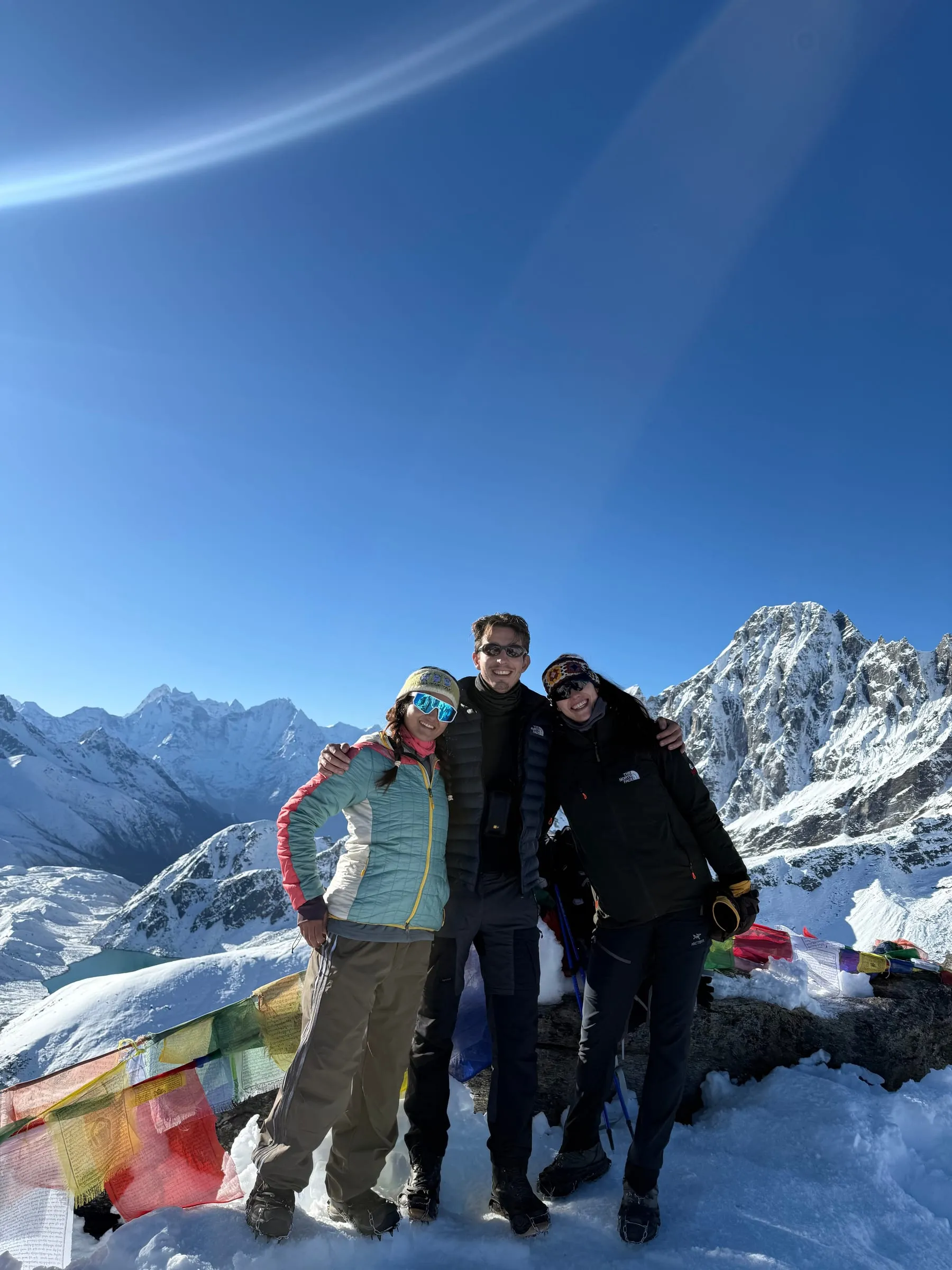
We put part of the profits from our treks towards community projects. Volunteers, guests and other supporters also contribute their time, skills, equipment and resources.
Together, these contributions have helped turn an early school visit into several ongoing relationships and projects.
When you travel with Eight Mountains, you help us continue that work.
380+
Travellers Welcomed
Meaningful journeys through Nepal, guided with warmth, care and local knowledge.
1,100+
People Reached Through Community Projects
Through health, education, environmental and support projects in rural Nepal.
50+
Volunteers Involved
Sharing their time, knowledge and practical skills where they are needed most.
These figures cover our trekking journeys, health and education programmes, environmental activities and community-led projects since [STARTING YEAR]. Updated August 2026.
Get involved
Have something useful to share?
You might have teaching experience, relevant healthcare qualifications, practical skills or an idea for working together.
Tell us what you can offer and how much time you have. We’ll talk about whether it fits a current project and where it could be useful.
We also welcome conversations with schools, organisations and partners interested in supporting the work over time.