
Guides
What to pack for a high-altitude trek
Layers, boots, sleeping kit, documents and the things people forget. A practical list, and what you can leave at home.
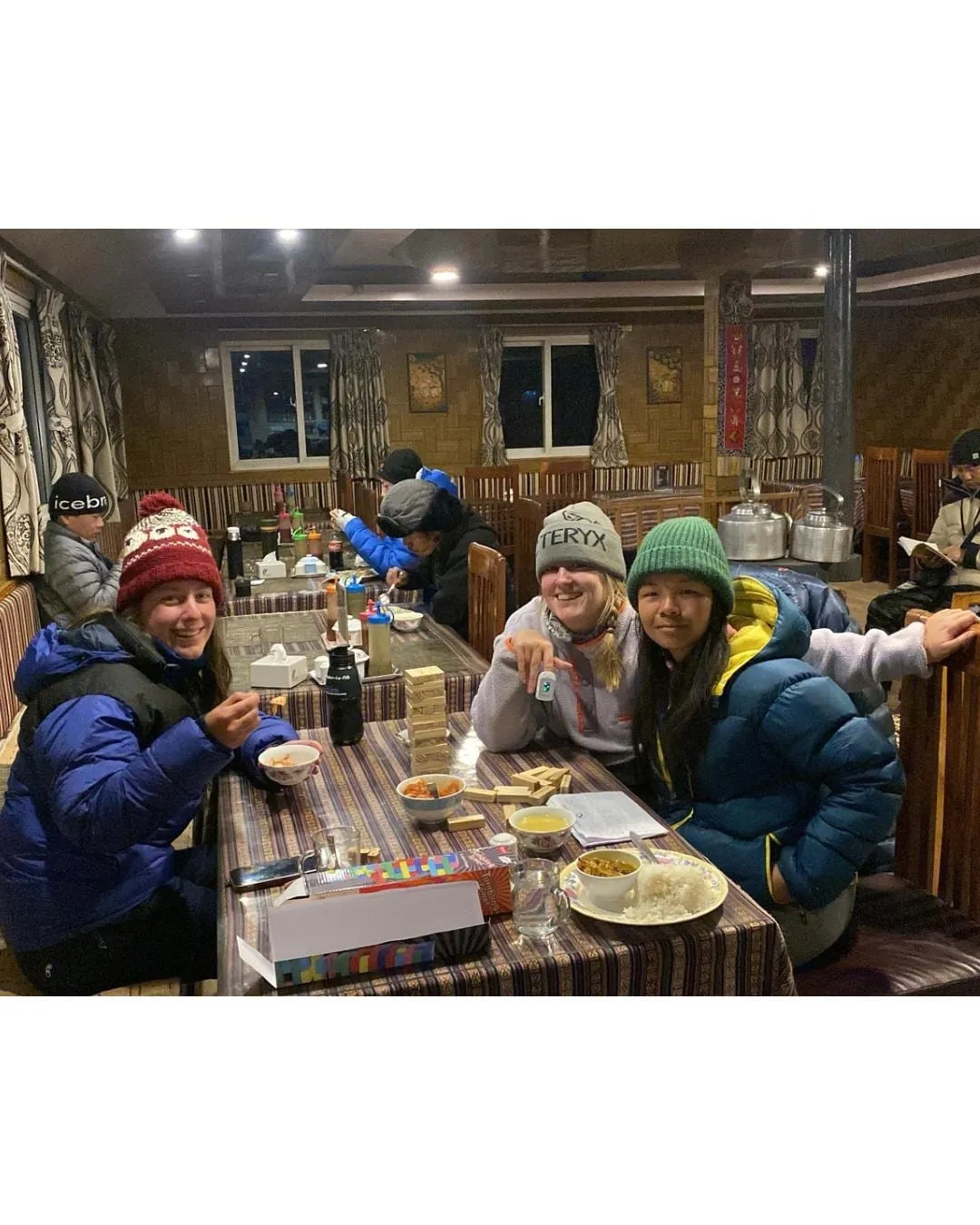
The short answer. A layered clothing system, broken-in boots, a warm sleeping bag, waterproofs, sun protection, a way to treat water, your own medicines, a small first-aid kit, head torch, poles, documents and enough power backup. Match every item to the season, the route and the highest place you will sleep.
High-altitude packing is a balance, and both ways of getting it wrong are uncomfortable. Leave out the wrong layer and a cold evening becomes miserable. Pack for every imaginable situation and your duffel becomes a burden, for you, or for the person carrying it.
What you want is a small number of reliable things that work together.
1. The bag system
- A comfortable 25–35 litre daypack for water, layers, snacks, valuables and anything you might need before the next lodge.
- A duffel for your main kit if you are using a porter. Check the weight limit before you pack, not at the trailhead.
- A waterproof cover, plus dry bags or strong liners inside. A cover on its own does not always keep out wind-driven rain.
- A small luggage lock, and a separate pouch for passport, cash, permits and insurance details.
2. Layers, because conditions change hourly
Temperature shifts fast with altitude, wind, cloud and time of day. One heavy jacket cannot do every job. What you want is layers you can add or shed without stopping for long.
- Two or three moisture-managing base-layer tops. Do not rely on cotton for cold days.
- One or two warm mid-layers, fleece, or a light insulated jacket.
- A properly insulated down or synthetic jacket for cold mornings, evenings and high camps.
- A waterproof, windproof shell with a hood.
- Trekking trousers, plus thermals for the higher and colder sections.
- Waterproof overtrousers that actually fit over your trousers and boots.
- Warm hat, sun hat, neck gaiter, liner gloves and insulated outer gloves.
- Enough trekking socks to rotate dry pairs, and one warm pair kept only for sleeping.
3. Footwear
- Broken-in boots or supportive hiking shoes, suited to the terrain, season and load.
- Light sandals, trainers or lodge shoes for the end of the day. You will want them more than you expect.
- Gaiters, where snow, mud or loose debris is likely.
- Blister care you already know how to use, packed where you can reach it quickly.
Do not arrive in brand-new boots. Wear them on several long walks first, including descents. That is where toe and heel problems appear, and a trail in the Khumbu is a bad place to discover them.
4. Sleeping
Teahouse rooms are normally unheated, and the blankets vary from place to place. Choose a sleeping bag for the coldest night you expect, not the average daytime temperature.
- A cold-rated sleeping bag appropriate to the route and season.
- A liner. It adds hygiene and a little warmth, but it does not turn an inadequate bag into a warm one.
- Earplugs and a simple eye mask, for busy lodges and early starts.
5. Sun, snow and eyes
Ultraviolet exposure is stronger at altitude, and light reflected off snow is intense in a way that surprises people.
Bring high-SPF broad-spectrum sunscreen, SPF lip balm, a brimmed hat and sunglasses with genuine UV protection. Glacier and climbing itineraries may need category-specific eyewear, ask whoever is leading the climb.
6. Water and food on the trail
- Two bottles, or a bottle-and-bladder combination, with enough capacity for the longest stretch between safe refills.
- A dependable way to treat water, filter, purifier or tablets used correctly, depending on the source.
- Electrolyte sachets for selected days, particularly if you are unwell. They do not prevent altitude sickness.
- A few familiar snacks for long days or when your appetite drops. Teahouses feed you; there is no need to carry a supermarket.
7. Health and personal care
Talk to a qualified clinician about high-altitude travel and any existing condition before you leave. Bring prescriptions in their original packaging, with enough for delays, and keep them in your hand luggage when flying.
- Personal prescriptions, and a copy of the prescription or a doctor’s letter where sensible.
- A small first-aid kit: blister care, simple wound care, pain relief you can safely take, oral rehydration salts, and anything your clinician has recommended.
- Hand sanitiser, biodegradable soap, toothbrush, small quick-dry towel.
- Toilet paper in a waterproof bag, plus a sealable bag for waste.
- Menstrual products and anything else that is hard to find in a remote village.
- A buff or reusable face covering, for dust on the roads and dry trails.
On altitude, plainly. Do not use medication or a good oxygen reading to mask worsening symptoms and keep climbing. A headache with nausea, dizziness or unusual fatigue after gaining height should be taken seriously, stop ascending, tell your guide, follow medical advice. Severe symptoms need urgent descent and care.
8. Light, navigation and power
- A head torch with spare batteries. Safer than a phone for early starts and power cuts.
- Your phone with offline maps, emergency contacts and copies of documents, even when you are walking with a guide.
- A power bank and the right cables. Charging often costs extra at the higher lodges.
- A universal adaptor. Nepal’s sockets are mixed.
- A watch, if your phone battery is likely to be tight.
9. Tools and small useful things
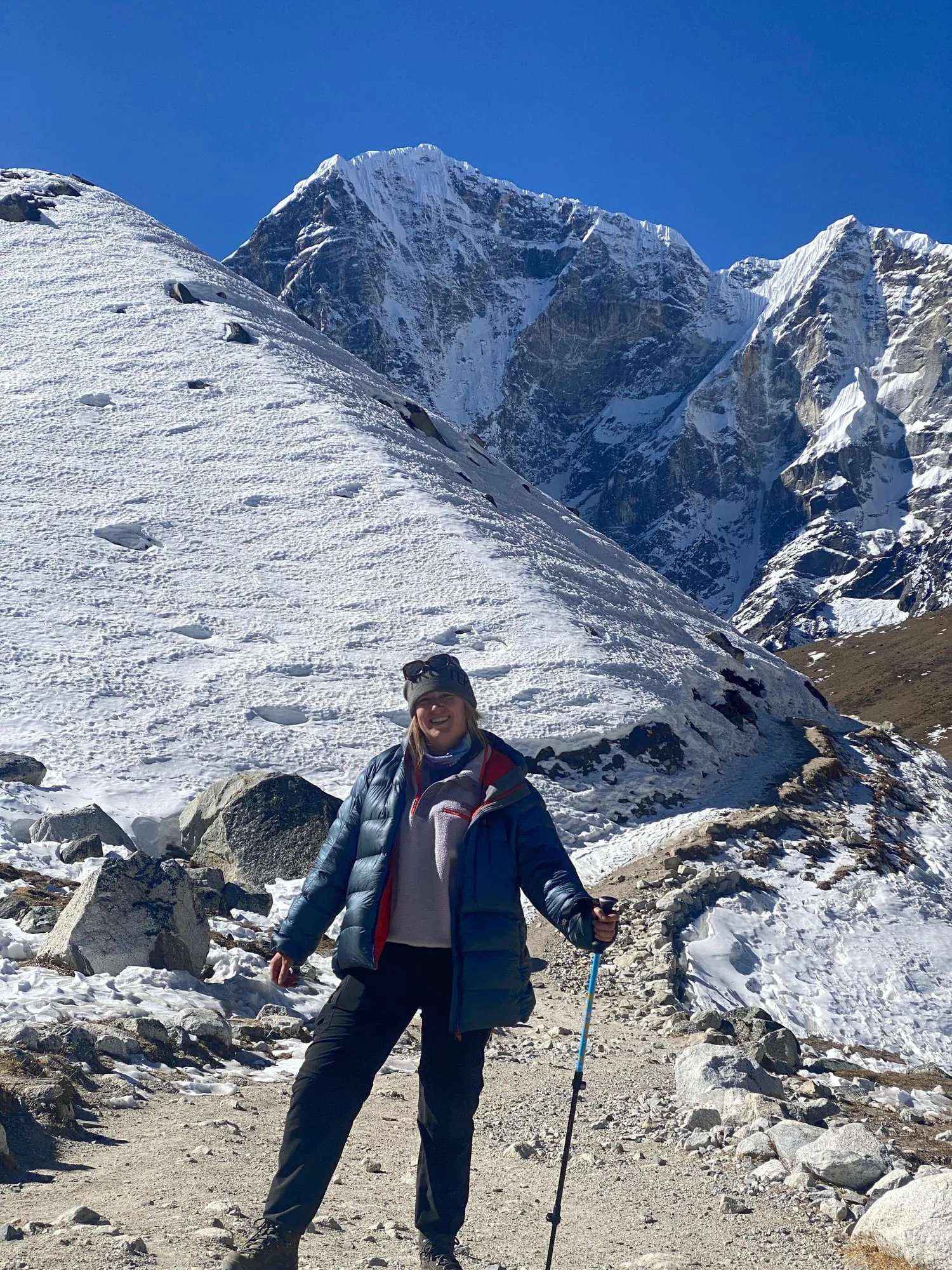
- Adjustable trekking poles. Worth their weight on long descents and stone stairways. We provide these on our own treks, so do not buy a pair on our account.
- A compact repair kit: a little tape, some cord, a few safety pins.
- Microspikes, where recent conditions and your guide suggest they help. We carry these too, along with crampons where a route needs them. They are not a substitute for technical equipment.
- A small notebook, a pen, and a few passport photographs if your agency asks for them.
- A lightweight bag for rubbish. Batteries, wipes and other non-biodegradable waste come out with you.
10. Documents and money
- Passport, visa details, and photocopies stored separately from the originals.
- Permits and TIMS documentation for your route.
- Insurance certificate, policy number, emergency-assistance number, and clear evidence of altitude and activity cover.
- Emergency contacts and your itinerary, shared with someone at home.
- Nepalese rupees in small denominations. ATMs and cards are unreliable or absent on most trails.
What you can rent in Nepal
Down jackets, sleeping bags, duffels and some trekking and climbing equipment can be rented in Kathmandu and Pokhara. It saves luggage space: but inspect zips, insulation, cleanliness, fit and temperature rating properly before you accept anything.
For technical peaks, use equipment approved by whoever is leading the climb, rather than choosing on price.
A realistic weight target
There is no universal right number, because a winter circuit and a spring foothill trek need different things.
The practical approach: lay everything out, remove the duplicates, then weigh what is left. Confirm the porter limit with your agency, and keep your daypack light enough that you would still be happy with it at four in the afternoon.
Packing honestly protects your own experience and the person carrying your main bag. Those are the same decision.
Common questions
Do I need a sleeping bag for teahouse trekking?
For high-altitude routes, yes. Rooms are usually unheated, and lodge blankets should be treated as extra warmth rather than as your whole sleep system.
Filter or purification tablets?
Bring a dependable method suited to the route. Filters are convenient; tablets make a light backup. Follow the instructions, and ask your guide about the water sources on your particular trail.
Do I need trekking poles?
They are not compulsory, and you do not need to buy any for a trek with us: poles and microspikes are part of what we bring. Many people find them very useful for balance, steep descents, snow and long stone stairways. Bring your own if you are attached to them.
How much cash should I carry?
It depends what your package covers. Budget for drinks, charging, Wi-Fi, showers, snacks, tips and delays, and ask your agency for an estimate specific to your route.