
Guides
The best first trek in Nepal
Poon Hill, Mardi Himal or Langtang? Honest advice on altitude, fitness and timing from the women who guide these trails.
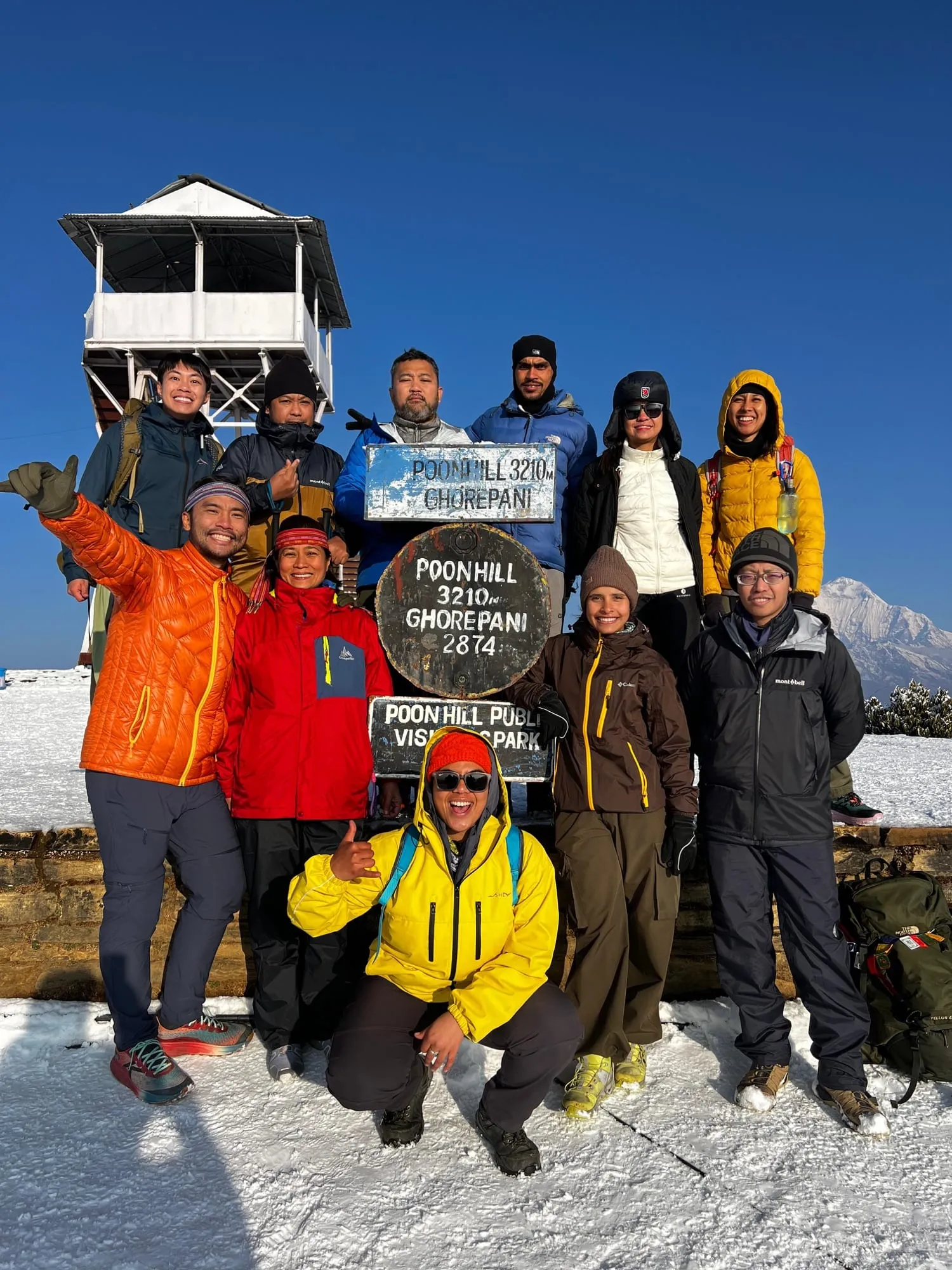
The short answer. For most people, Ghorepani–Poon Hill is the best place to start. It is short, teahouse-based, and reaches 3,210 m with wide views across the Annapurna and Dhaulagiri ranges. If you want longer or higher, Langtang Valley and Mardi Himal both work as a first trek, as long as the itinerary is paced properly.
Your first trek in Nepal does not have to be the easiest walk on the map. It should be the one that gives you enough challenge to feel proud of it, enough time to adjust, and enough support to actually enjoy where you are.
That balance matters more than picking the most famous name. We say this as the people who walk these trails for a living: the trek someone remembers is almost never the hardest one they did.
Why Poon Hill is the best all-round first trek
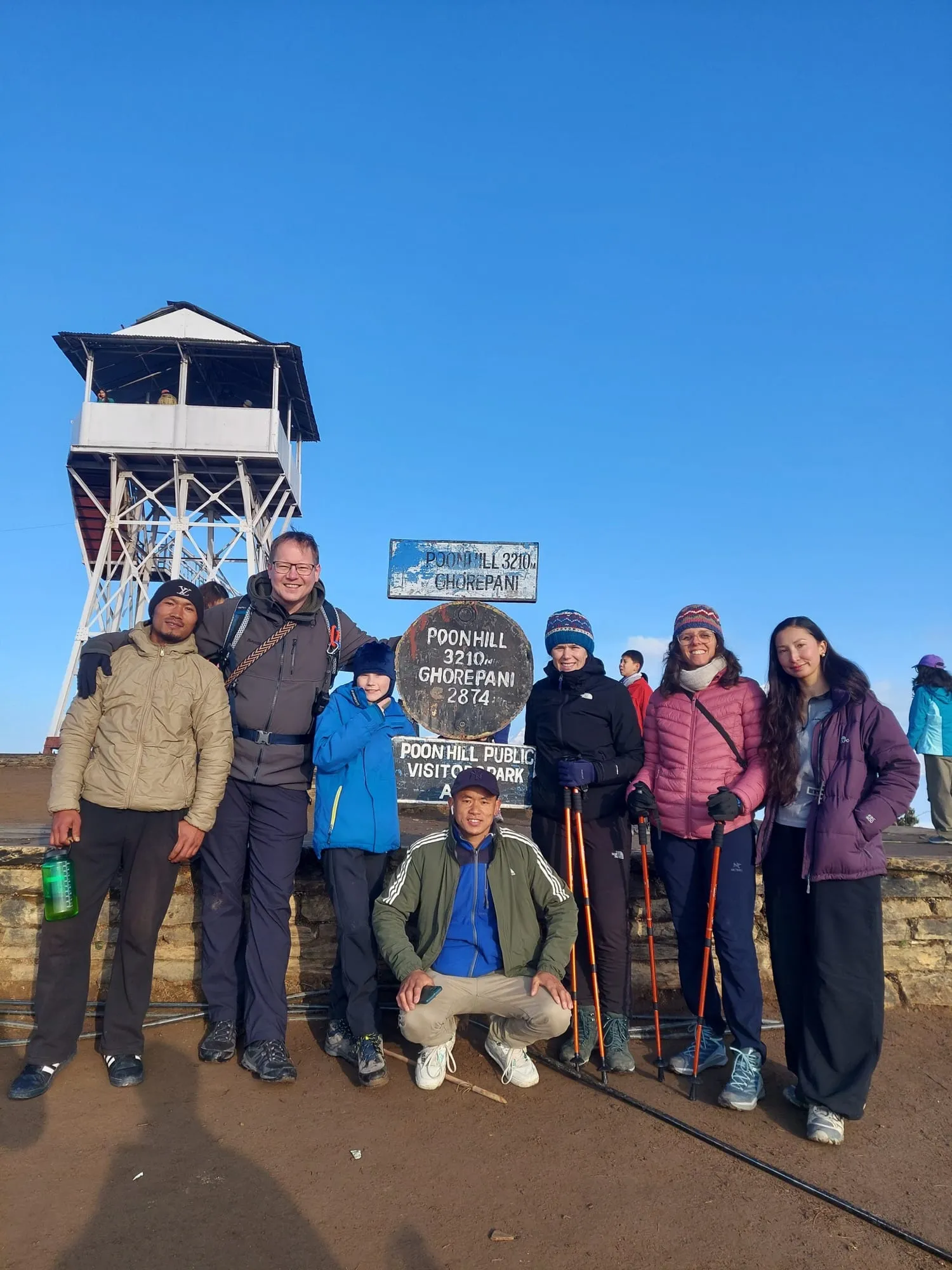
Ghorepani–Poon Hill puts a lot of Nepal into a small number of days. Stone stairways, rhododendron forest, Gurung and Magar villages, teahouse evenings, and a viewpoint at 3,210 m that earns its reputation on a clear morning. The Nepal Tourism Board lists it as a popular short trek suited to beginners and families.
Most itineraries take four to five walking days from the Pokhara side.
A word of warning, because “beginner-friendly” gets misread: this route includes steep ascents and a great many stone steps. Someone reasonably active, comfortable walking five or six hours over uneven ground, will manage it, but they should still train first.
Comparing the beginner-friendly routes
| Trek | Days | High point | Best for | What to know |
|---|---|---|---|---|
| Ghorepani–Poon Hill | 4–5 | 3,210 m | A first trek overall | Short and accessible, but expect a lot of steps. |
| Mardi Himal | 5–7 | Up to ~4,500 m | Big mountain views | Higher, with exposed ridgeline. Pacing matters. |
| Langtang Valley | 7–9 | Kyanjin area, plus optional viewpoints | A fuller journey | Longer days and more altitude. Do not rush it. |
| Lower Annapurna villages | 3–5 | Varies | Culture over altitude | Good when the walking matters more than the height. |
Is Mardi Himal suitable for a beginner?
It can be, but it is a real step up from Poon Hill.
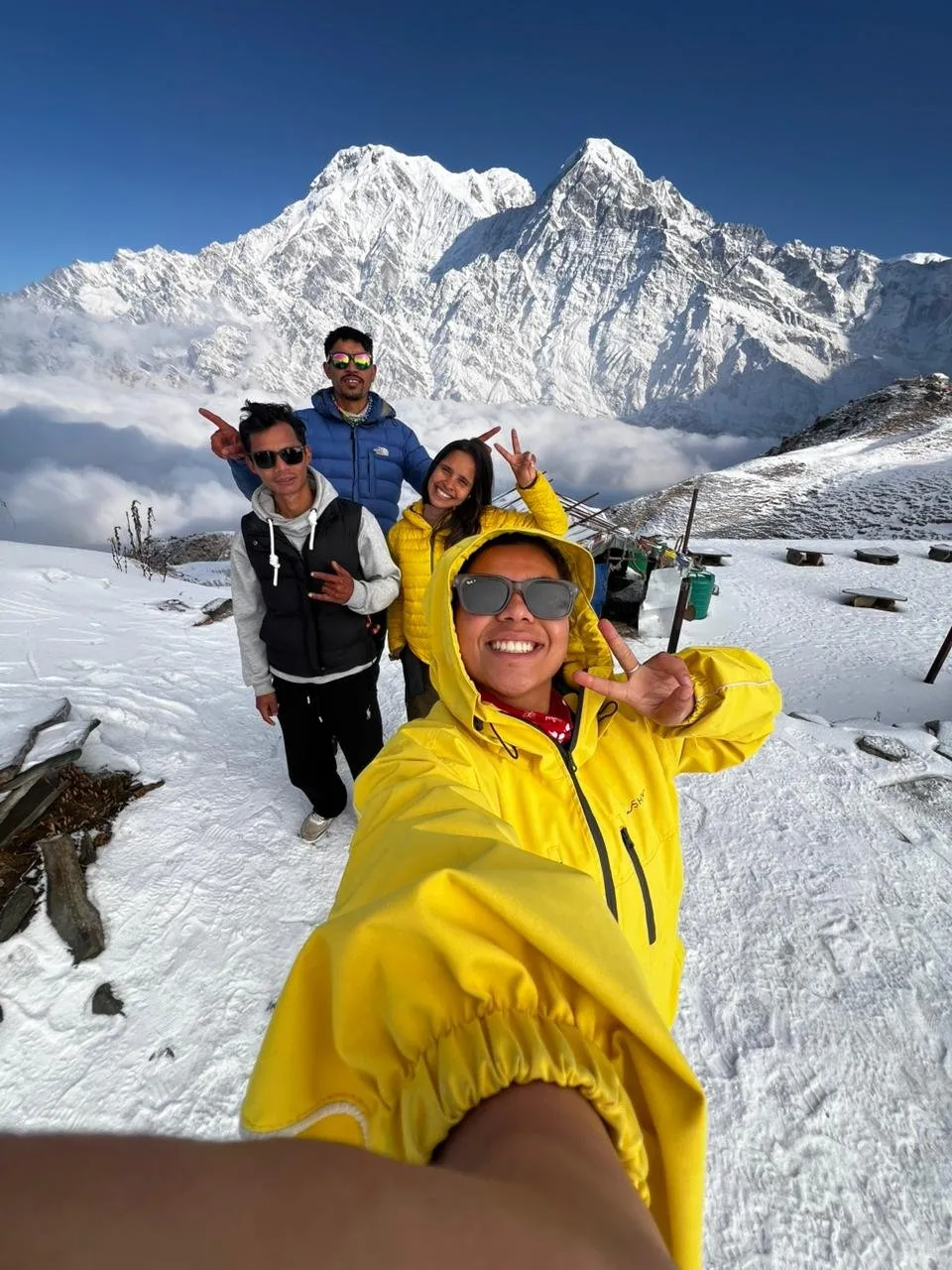
Mardi Himal is short in calendar days, yet the trail climbs quickly towards high camp and the upper viewpoint. You get close views of Machhapuchhre and the Annapurna range, the reason people choose it, but the altitude, the cold nights and the exposed ridge all deserve respect.
Choose an itinerary with time built in to adjust, rather than treating it as a race to the viewpoint.
Is Langtang Valley suitable for a first trek?
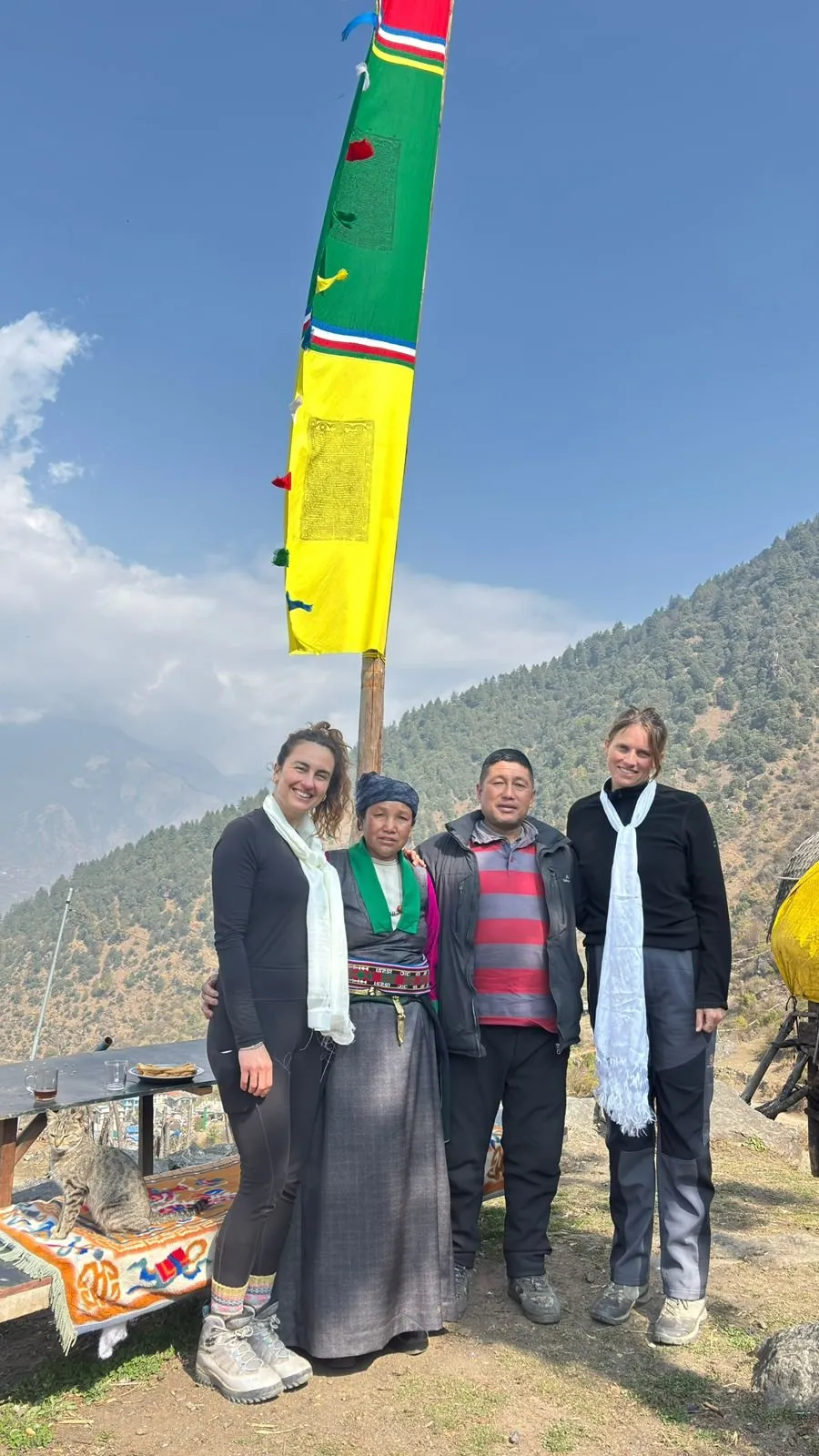
Langtang is one of the best choices for someone who wants more than a short introduction. The walk goes up through forest and Tamang settlements before opening into the broad upper valley around Kyanjin Gompa. It is reached by road from Kathmandu and is normally walked lodge to lodge.
The thing to get right is the schedule. The optional viewpoints above Kyanjin are considerably higher than the village, and whether you go up should depend on the weather, how well you have acclimatised and how you feel that morning, not on what the plan said in advance.
What actually makes a trek beginner-friendly
Not the distance, and not the name. These five things:
- A sensible daily increase in sleeping altitude, particularly once you are above 3,000 m.
- Teahouses at regular intervals, so food and shelter do not depend on running a full camping expedition.
- Flexible days and alternative stopping points, for when weather, tiredness or altitude change the plan.
- A route matched to how active you already are, rather than the one that looked best on somebody’s feed.
- Straightforward access, with a realistic buffer for road or flight delays.
How fit do you need to be?
You do not need to be an athlete. You do need to arrive comfortable with walking several days in a row.
For six to eight weeks beforehand, build towards three or four active days a week: longer walks, hills or stairs, some basic leg strength, and at least one weekend of back-to-back walking days. Train in the boots and the daypack you intend to bring.
Fitness does not protect you from altitude sickness. A very fit person can still become unwell, which is exactly why a gradual itinerary and honest reporting of symptoms matter more than your training does.
When to go
For the most settled conditions, most first-time trekkers choose spring, roughly March to May, or autumn, roughly October to November. Spring brings the rhododendron colour and generally warmer days. Autumn often brings the crispest views, after the monsoon has cleared the air.
Winter is quieter and can be beautiful on the lower routes, but mornings and nights are cold. Monsoon trekking asks for more flexibility: rain, cloud, leeches, landslides and disrupted transport all affect large parts of the country.
What we would actually suggest
Poon Hill if your time is limited, or you want to find out how much you enjoy multi-day walking before committing to more.
Langtang Valley if you want a deeper journey into the mountains and can give it a full week or more.
Mardi Himal if close mountain views are the priority and you are ready for something steeper and higher.
Whichever you choose, the best first trek is the one that leaves you space to notice the villages, the forest and the people along the way. Reaching the highest point is only one part of it.
If you are not sure which of the three fits you, tell us how much time you have and what you have walked before, and we will say honestly which one we would put you on, including when the answer is none of them yet.
Common questions
What is the easiest trek in Nepal?
There is no official “easiest” trek, but the lower-altitude village routes and short Annapurna foothill walks are among the most accessible. Poon Hill is the best-known beginner option, though it still involves steep stone steps.
Can a complete beginner do Everest Base Camp?
Some first-time trekkers do complete it. It is not the easiest introduction, though, nearly two weeks at altitude, reaching about 5,364 m. Good preparation, a gradual itinerary and proper acclimatisation days are essential rather than optional.
Can I do a beginner trek without carrying a heavy bag?
Yes. You can walk with a light daypack and hire a porter for your main duffel. Keep to an ethical weight limit and pack only what you need.
Do beginner treks still need travel insurance?
Yes. Even lower and shorter routes involve uneven ground, weather and remote access. Your policy needs to cover the trek’s maximum altitude and emergency evacuation.