
Guides
Travel insurance for trekking in Nepal
A policy that covers a walking holiday may not cover a Himalayan trek. What to check on altitude, evacuation and peak climbing.
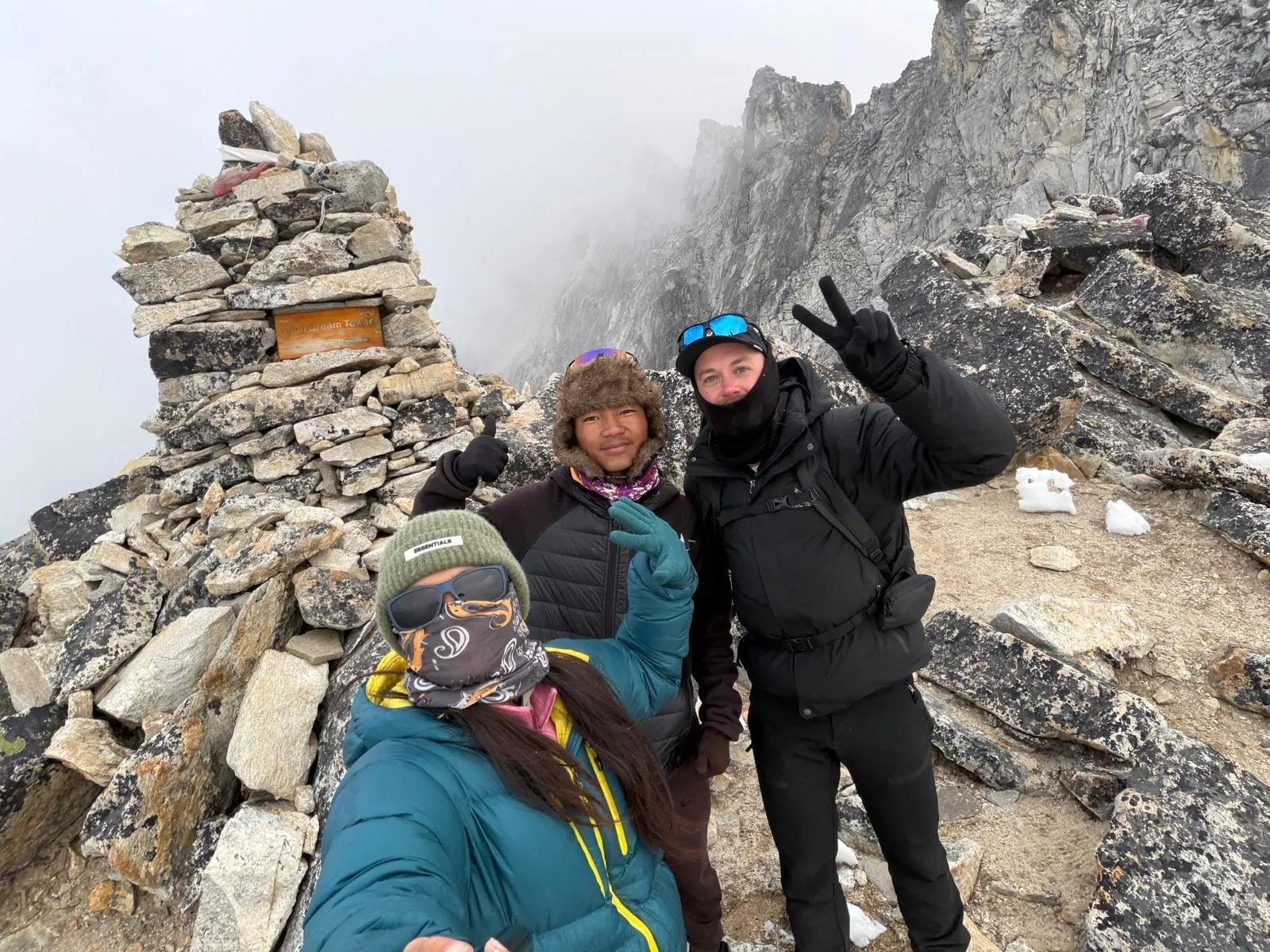
The short answer. Choose specialist adventure cover that explicitly covers trekking to at least the highest point on your itinerary, plus emergency search and rescue, helicopter evacuation where medically necessary, overseas medical treatment and repatriation. If you are climbing a trekking peak, or using ropes, crampons or an ice axe, the policy has to cover that activity too, not just trekking.
Insurance is not a box to tick before Nepal. In remote mountain areas the right policy can decide how quickly an evacuation is authorised, and whether a very large bill becomes yours.
The cheapest policy is poor value if its altitude ceiling stops below your route. That is the whole article in one sentence, but the details are worth ten minutes of your time.
1. Check the maximum altitude, in writing
Find the highest point on the complete itinerary, including optional viewpoints and passes, not just the headline destination. Then find a policy whose trekking altitude limit sits comfortably above it.
“Hiking included” means nothing on its own. The wording has to state the permitted altitude and terrain.
For reference:
| Route | Highest point |
|---|---|
| Ghorepani–Poon Hill | 3,210 m |
| Annapurna Base Camp | about 4,130 m |
| Everest Base Camp | about 5,364 m |
| Thorong La, Annapurna Circuit | about 5,416 m |
| Mera Peak | 6,476 m. A mountaineering objective, not a walking trek |
This is why a generic policy capped at 3,000 or 4,000 m can be unsuitable even when it advertises trekking cover.
2. Confirm helicopter evacuation and mountain rescue
The policy needs to cover medically necessary evacuation from a remote trekking area, including the helicopter where a helicopter is the appropriate answer.
Check the search-and-rescue wording separately. Some policies cover medical transport once you have been located, but offer limited or no cover for the searching itself.
Read the assistance procedure before you start walking. Many insurers require you, your guide or the agency to contact their 24-hour team for authorisation wherever circumstances allow. Save that number offline, and give a copy to whoever is running your trek.
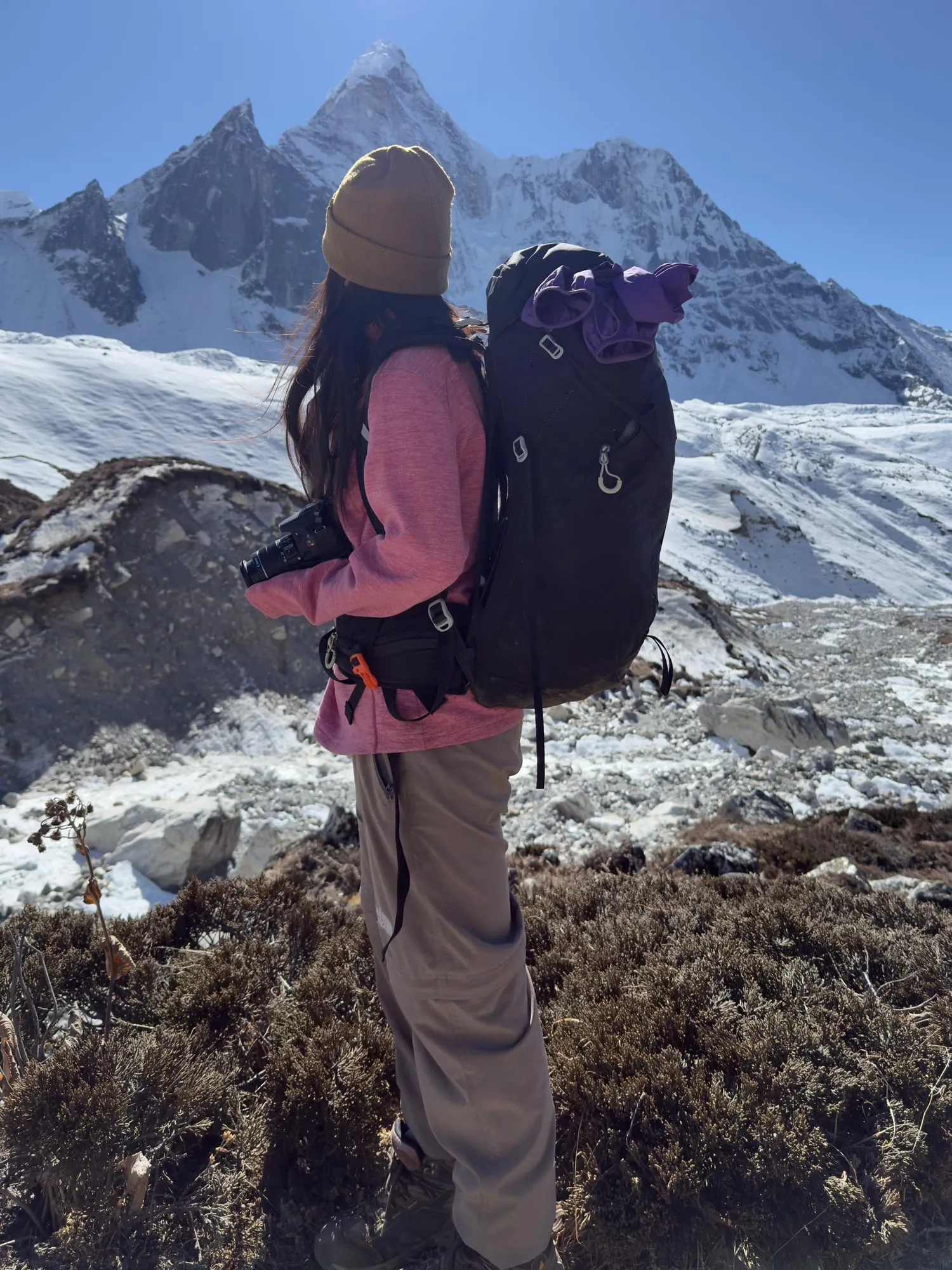
3. Medical treatment and repatriation
Look for adequate overseas medical cover, hospital treatment, ambulance or ground transfer, and repatriation home where medically necessary.
The UK government notes that healthcare outside Kathmandu and Pokhara is limited, and that helicopter evacuation can cost £1,000–£2,000 or more per flying hour. Set against that, the price difference between an adequate policy and an inadequate one is not really a saving.
4. Trekking and mountaineering are not the same thing
Insurance categories vary between companies. One insurer will call a route “trekking” while another moves it into a higher-risk band because of altitude, remoteness, winter conditions or equipment use.
Peak climbing, fixed ropes, crampons, ice axes and technical passes are frequently excluded from standard trekking cover.
For Mera Peak, Island Peak and anything similar: get written confirmation that the named peak, its summit altitude and guided climbing activity are all covered. Do not rely on a sales-page summary, and do not assume that “trekking up to 6,500 m” includes a mountaineering ascent. It usually does not.
5. Cancellation, interruption and delay
A good policy can also cover cancellation for specified reasons, curtailment after an emergency, missed departure and travel delay. Read the causes and the limits properly, flights to mountain airstrips get delayed and cancelled, and not every policy pays for every disruption.
- Check when cancellation cover begins. It is usually the purchase date, not the departure date.
- Declare the full non-refundable trip cost, including domestic flights and climbing permits.
- Look at the missed-connection rules and the minimum delay periods.
- Keep receipts and written confirmation of any cancellation or route change.
6. Pre-existing conditions
Declare every condition, medication and investigation the insurer asks about. Failing to disclose accurately can affect a claim at the worst possible moment.
If you have heart, lung, blood, neurological or other significant health concerns, get individual medical advice about high-altitude travel well before you depart, not in the week before you fly.
7. Baggage, gear and valuables
Standard baggage limits are often lower than the value of your boots, sleeping bag, down jacket, phone and camera combined.
Check single-item limits, exclusions for unattended baggage, proof-of-purchase requirements, and whether rented equipment is covered at all. Keep medication, documents and anything irreplaceable in your hand luggage.
8. Personal liability
Useful if you accidentally injure someone or damage property, though the exclusions vary. Confirm your planned guided trek or climb is not excluded.
Worth saying plainly: your guide’s insurance, and ours, does not replace your own personal travel insurance. They cover different things.
Ask the insurer these, before you buy
- Does this policy cover trekking to the exact highest altitude on my itinerary?
- Is helicopter evacuation covered when medically necessary, and is search and rescue included?
- Does cover continue if the trek uses snow equipment or crosses a high pass?
- If I am climbing a peak, is that named peak and the guided ascent explicitly covered?
- What must my guide or I do before an evacuation is arranged?
- Are pre-existing conditions, trip cancellation, domestic flight disruption and rented gear covered?
- What documents will you require if I claim?
What to carry with you on the trek
- The policy certificate and the full wording, saved offline.
- Policy number and the 24-hour emergency-assistance number.
- Written confirmation of altitude and activity cover, especially for a peak climb.
- A copy shared with your agency, your guide and your emergency contact at home.
- A payment card or accessible emergency funds. Some providers require a guarantee or upfront payment before they reimburse.
The best policy is the one that matches your itinerary
There is no single product that is right for every traveller. Eligibility, residency, age, health, country of purchase and planned activity all change the answer, which is why we will not name one.
Compare the full policy wording rather than the brand or the price, and ask for clarification in writing wherever something is unclear.
We can give you the final itinerary, the maximum altitude and the activity details to pass to your insurer. Only the insurer can confirm whether their policy covers you. Keep that confirmation with your emergency documents.
Common questions
Is travel insurance mandatory for trekking in Nepal?
Requirements depend on the route, permit, operator and activity, but comprehensive insurance is strongly recommended for all mountain travel. Many operators require proof before a high-altitude trek or climb.
Does normal travel insurance cover Everest Base Camp?
Not automatically. The policy has to allow trekking above 5,364 m and include the relevant remote-area rescue and medical cover.
Will insurance always pay for a helicopter rescue?
No. It depends on the policy terms, medical necessity, exclusions, evidence and the insurer’s assistance procedure. Contact the emergency team as early as it is safe to do so.
Do I need different insurance for Mera Peak?
Usually yes. Mera Peak is a 6,476 m mountaineering objective. Get written confirmation covering the named peak, the altitude, the equipment and guided climbing.