
The Day-by-Day — Exactly How the Trail Feels
Below is the real schedule we use, straight from our field itinerary. Day-by-day routes, exactly as we run them on the ground:
| Day | Route |
|---|---|
| Day 1 | Kathmandu➝Syabrubesi |
| Day 2 | Syabrubesi ➜ Lama Hotel |
| Day 3 | Day 3:Lama Hotel ➜ Langtang Village |
| Day 4 | Langtang Village ➜ Kyanjin Gompa |
| Day 5 | Kyanjin Gompa➝Kyanjin Ri ➝Lama Hotel |
| Day 6 | Lama Hotel➝Syabrubesi |
| Day 7 | Syabrubesi➝Kathmandu |
Before You Lace Up: The Practical Stuff
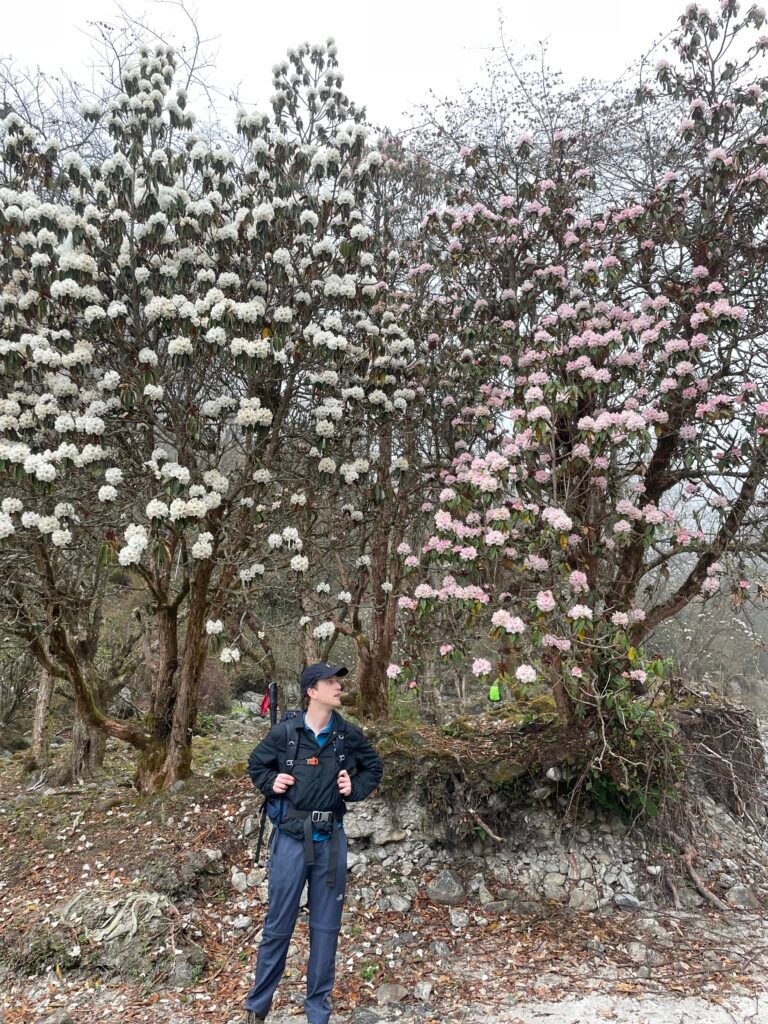
| Best season | March–May and October–November are best. The rhododendrons in spring are something else. |
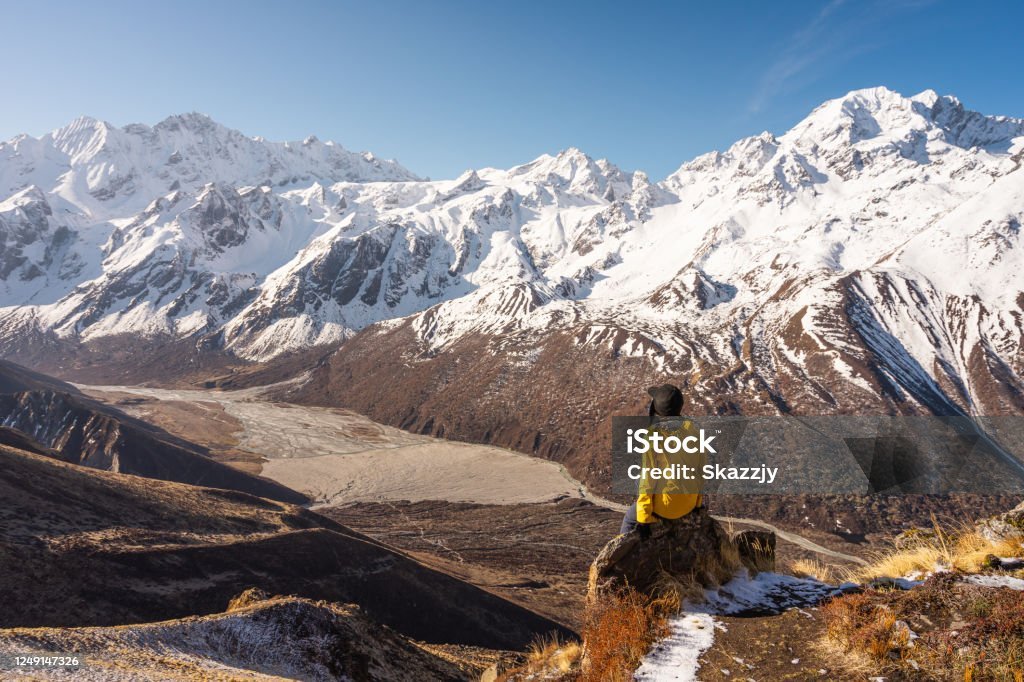
| Difficulty | Easy-to-moderate. Gains height gradually and tops out around 3,870m at Kyanjin. A great first taste of high Himalayan trekking. |
| Permits | Langtang National Park entry. A guide is recommended (and our local guides know the side trails). |
| Accommodation | Teahouses in Syabrubesi, Lama Hotel, Langtang village and Kyanjin — wood-built, warm, family-run. |
| Food on the trail | Dal bhat, momos, the famous local yak-cheese (try it fresh at Kyanjin), apple brandy if you’re brave. |
| Safety | Gradual ascent means low AMS risk, but we still watch everyone. The Kyanjin Ri climb is optional and weather-dependent. |
Life on the Trail
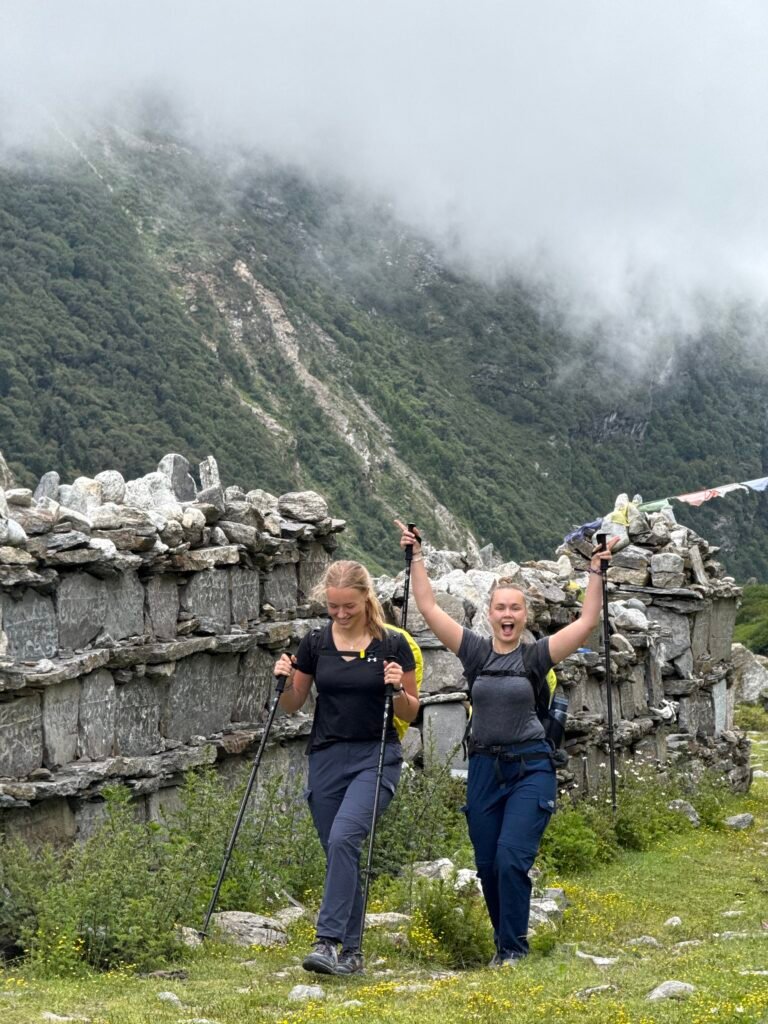
We keep groups small and our own guides lead every trek — no outsourced groups. You’ll walk at your own pace, eat well, and actually get to know the places you pass through. That’s the difference between a tick-list trek and one you’ll remember.
Grab the Full Itinerary (PDF)
Want the complete day-by-day exactly as we send it to clients — with every distance, overnight stop and what to pack for each section? Grab our prepared itinerary for this route, free:
Free download · the exact route we run on the ground
What to Pack — The 8 Mountains Packing List
We’ve sent hundreds of trekkers out with this list. It covers the essentials for any of our teahouse treks — adjust for season and altitude.
Clothing
- Base Layer: 2–3 quick-dry t-shirts, 1 thermal wear
- Mid Layer: Fleece or down jacket (optional)
- Outer Layer: Waterproof jacket & trousers, raincoat or plastic poncho
- Lower Body: 2–3 trekking pants, thermal leggings, 2–3 pairs trekking socks
- Footwear: Trekking boots, sandals (can be rented)
- Crampons — provided by 8 Mountains
Headgear & Gloves
- Warm beanie or sun hat/cap
- Sunglasses, buff/scarf
- Gloves
Backpack & Gear
- 40–55L backpack
- Trekking poles — provided by 8 Mountains
Essentials & Accessories
- 1L water bottles + purification tablets or filters
- Sunscreen (SPF 50+), lip balm
- Personal medicines (very important — bring enough for the full trek + a few extra days)
- Toiletries (toothbrush, wet wipes, menstrual care products, quick-dry towel)
- Power bank
- Snacks (energy bars, nuts, dried fruits)
Real Questions We Get Asked
How do I get to Langtang?
A scenic drive from Kathmandu to Syabrubesi (roughly 7–8 hours) replaces the flight needed for Everest or Annapurna. Less cost, less hassle.
Is Langtang good for altitude newbies?
Yes — it gains height gradually and maxes around 3,870m at Kyanjin. A great first high-Himalayan trek.
What happened after the 2015 earthquake?
The valley was badly hit and has since been rebuilt by local communities. Trekking here directly supports that recovery — your stay matters.
Ready to walk this trail?
Small groups, local women-led guides, and itineraries built from years on the ground. Message Vivi and we’ll plan it with you.
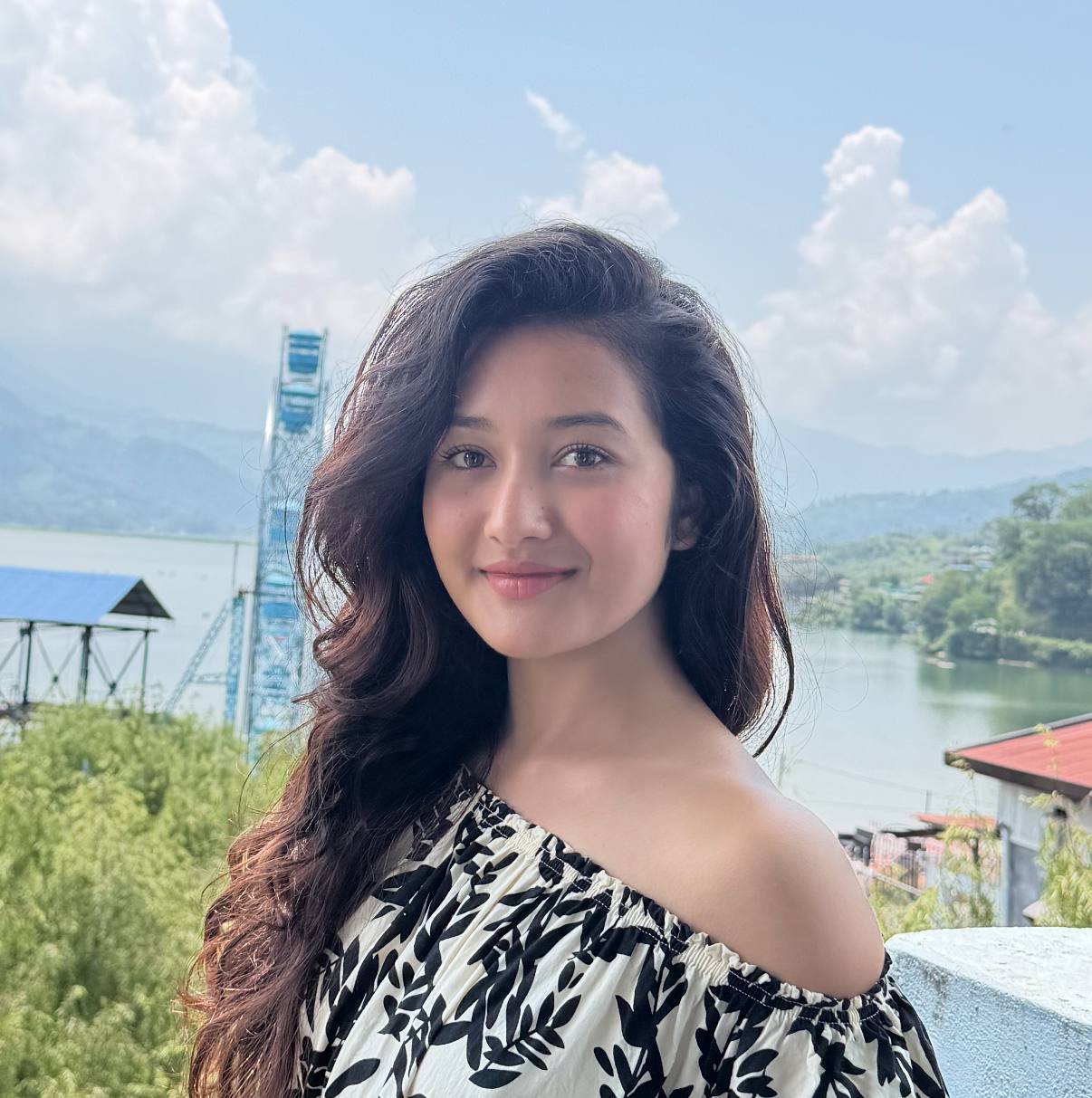
Author: Vivi
\n\n
\n\n
More Nepal Treks to Explore
\n